As global consumer demands shift toward clean-label products, functional dairy, and hybrid plant-and-dairy formulations, modern dairy processing machinery must adapt to unprecedented levels of flexibility, hygienic integrity, and energy resource management.
Today's market demands manufacturing lines that transition seamlessly from pasteurized milk to oat formulations or premium fruit-infused yogurts. Smart modular processing and inline dosing diminish downtime, minimizing clean-in-place (CIP) cycles and keeping overall mechanical utility low.
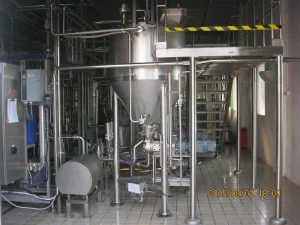
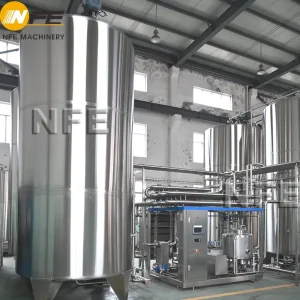
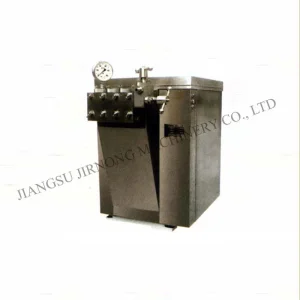
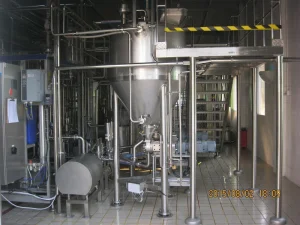
Protecting the complex nutritional profiles of liquid dairy requires precision heat control. High-Temperature Short-Time (HTST) systems and Ultra-High Temperature (UHT) sterilizing lines must operate alongside industrial homogenizers to secure fat-globule distribution without structural protein damage.
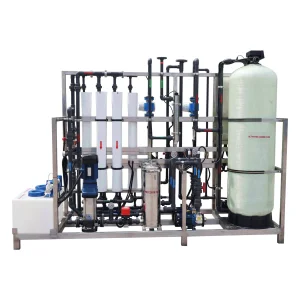
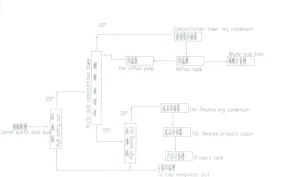
Resource conservation is critical. Incorporating automated Nanofiltration (NF) and Reverse Osmosis (RO) systems directly downstream allows dairies to purify process wastewater, concentrate proteins, and recover valuable lactose solids from byproduct streams, transforming waste into high-value components.
Procurement heads in dairy, beverage, and agricultural processing enterprises globally face structural challenges: balancing initial capital expenditure (CAPEX) with long-term operational expenditure (OPEX). High-capacity operations demand machinery built to heavy sanitary standards, which translates to high food safety levels and minimal maintenance-related downtime.
Supply Chain Security and Material Integrity: Every process interface that contacts food products must consist of stabilized corrosion-resistant metals, specifically AISI 304 or AISI 316L stainless steel. Cheap machinery made from low-grade alloys risks stress corrosion cracking and localized pitting, which can harbor bacterial biofilms and ruin whole batches of dairy products.
Partnering with a dedicated OEM custom exporter like CarniTe Machinery gives dairy operations access to precision components, calibrated automation, and customized sizing designed for local manufacturing realities, all while meeting CE, ISO, and rigorous food safety requirements.
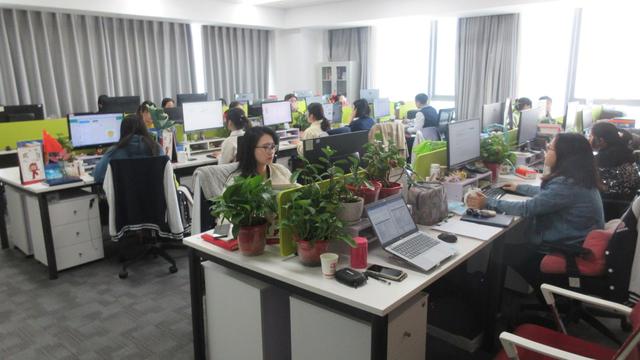
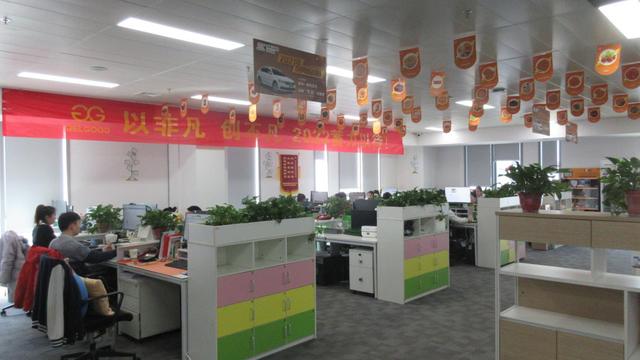
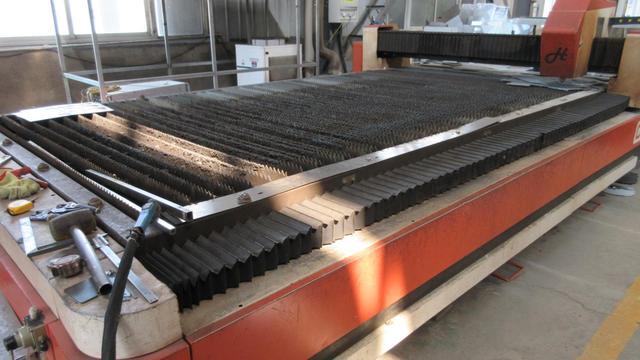
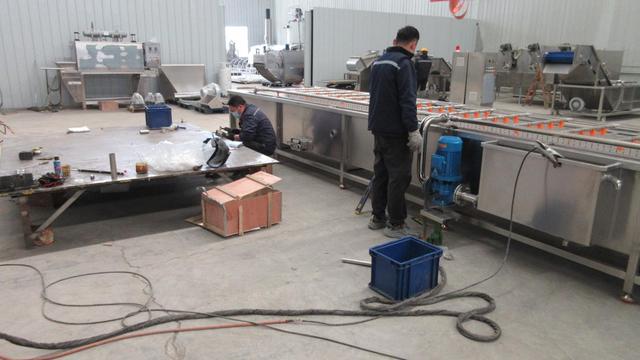
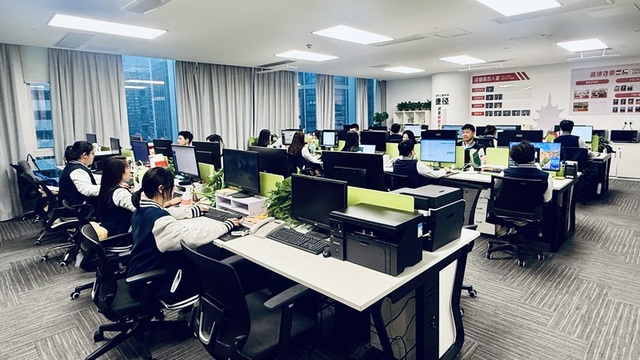
Dongguan CarniTe Machinery Co., Ltd. is a professional manufacturer specializing in fruit and vegetable processing equipment and integrated industrial food processing solutions. The company focuses on the research, development, production, and global supply of advanced processing lines for fruits, vegetables, and related food products. With strong engineering capability and industry experience, CarniTe Machinery delivers turnkey solutions that ensure efficient, hygienic, and scalable food production.
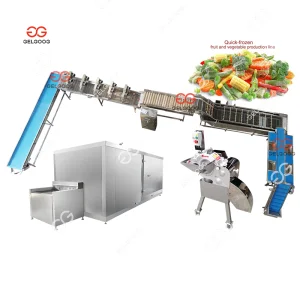
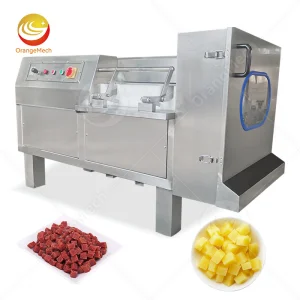
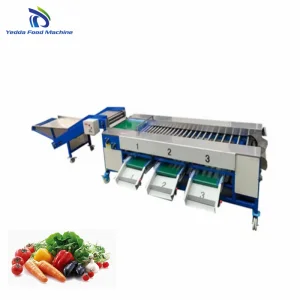
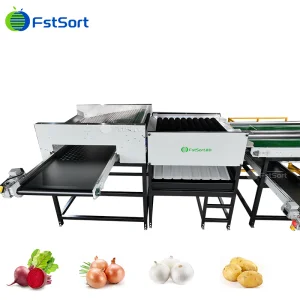
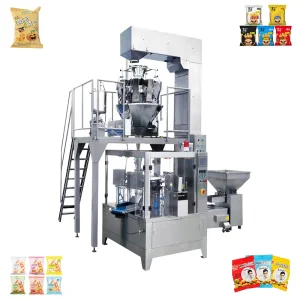
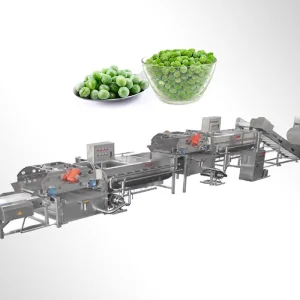
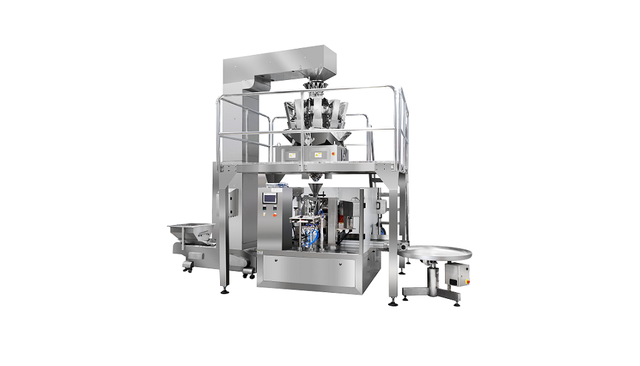
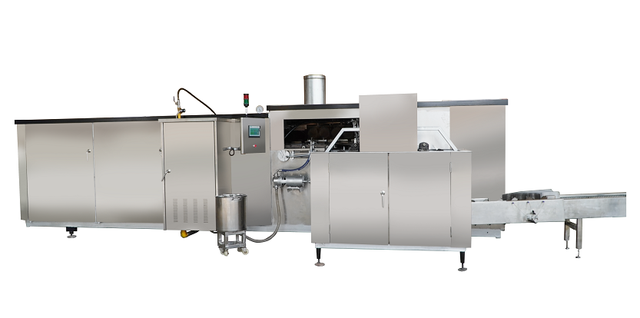
Core systems include washing, sorting, peeling, cutting, juicing, pulping, blanching, freezing, drying, and packaging lines, widely applied in food factories, beverage plants, and agricultural processing industries. The company is committed to improving production efficiency, reducing labor costs, and maintaining consistent product quality through automation and intelligent control technologies.
Dongguan CarniTe Machinery Co., Ltd. maintains strict quality standards and complies with international manufacturing requirements. It provides OEM and ODM customization services tailored to different capacities and production needs.
By combining innovation, reliability, and customer-focused engineering, the company continues expanding into Asia, Europe, the Middle East, and the Americas, aiming to become a trusted global partner in food processing automation.
The company also invests heavily in research and development, continuously upgrading processing technology, improving energy efficiency, and enhancing equipment stability, while providing comprehensive after-sales support, installation guidance, and technical training to ensure long-term operational success for global customers in diverse food manufacturing environments.
Challenge: Retaining fruit piece shape and color during yogurt base blending.
Solution: The integration of a Fruit Puree Inline Dosing and Mixing System connected with a 1.5T/H High Quality Homogenizer. This combination uses gentle static mixing elements downstream from the pasteurizer to distribute fruit pieces without altering viscosity or shearing starch matrices in the yogurt base.
Challenge: High chemical oxygen demand (COD) in wastewater discharge from dairy rinsing operations.
Solution: Utilizing a multi-stage Nanofiltration Water Filter plant to separate organic solids from process effluent. The permeate water is redirected to boilers and primary clean-in-place (CIP) pre-rinses, while retentate solids are concentrated for use in animal feed, improving sustainability metrics.
Challenge: Sourcing automated systems to produce RTD (Ready-To-Drink) milk-juice beverages at scale.
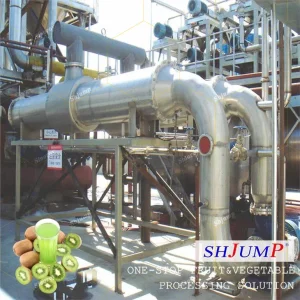
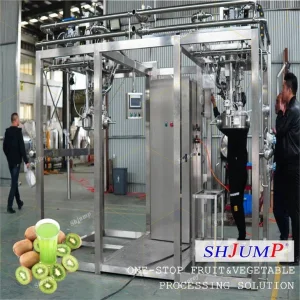
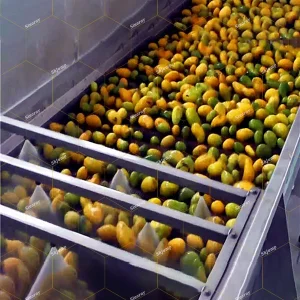
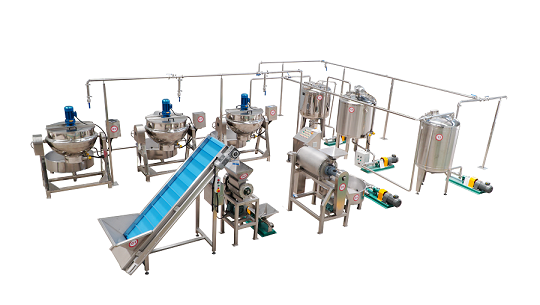
Solution: A turnkey production line starting with *Kiwi Puree Processing* (washing, sorting, pulping, and enzymolysis) connected directly to a *Juice Beverage Batching Process System*. This system provides automated, closed-loop batching to control the precise mixing ratios of milk solids, sweet purees, and acidifying agents.
 CarniTe Machinery