Engineered for high throughput, absolute hygiene compliance, and seamless operational flow in modern industrial food factories.
The global frozen food industry is undergoing a structural transition driven by changes in consumer demographics, the expansion of cold-chain logistics in developing economies, and the rise of ready-to-eat (RTE) meals. As cold chain capacity increases worldwide, the demand for industrial freezing and processing equipment is scaling rapidly.
Historically, frozen foods were restricted to basic meats and seasonal vegetables. Today, frozen food factories process complex recipes, delicate fruits, par-baked goods, and ready-to-cook meat products. This complexity requires processing machinery that can maintain food cell structure during rapid temperature drops, ensuring nutritional value, structural integrity, and flavor profile conservation.
Machinery manufacturers are no longer selling isolated units; the industry requires complete, interconnected, and automated processing lines. Companies like Dongguan CarniTe Machinery Co., Ltd. have positioned themselves at the forefront of this industrial shift. By developing end-to-end lines covering washing, peeling, blanching, freezing, and packaging, CarniTe ensures that factories minimize downtime and eliminate manual handling risks, satisfying strict safety rules in global markets.
How automation, thermal dynamics, and structural sanitary design are defining the next generation of food factory infrastructure.
Modern lines utilize central PLC control cabinets integrated with HMI touchscreens for real-time monitoring. Thermocouples and optical sorting sensors communicate operational metrics back to central SCADA systems, preventing bottlenecks.
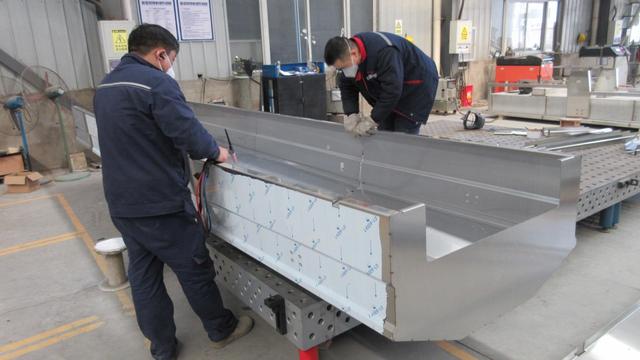
Compliant with global EHEDG and FDA standards, equipment uses SUS304 and SUS316L stainless steel. Continuous laser welding eliminates microbial harborage points, while clean-in-place (CIP) linkage systems reduce washdown labor.
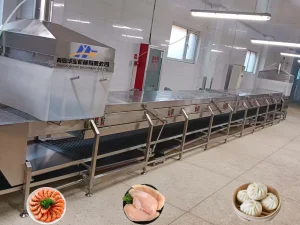
New continuous tunnel steam blanchers and IQF pre-cooling systems are designed to recirculate steam and cold air. This technology cuts energy and water footprints, directly lowering the carbon footprints of regional food exporters.
Enterprise procurement heads prioritize risk mitigation. In food processing machinery, this equates to sourcing equipment that is reliable, scalable, and backed by accessible engineering support.
Procuring from China offers strategic advantages, especially through manufacturers like CarniTe Machinery. Located in Dongguan, a global capital of advanced precision manufacturing, the factory leverages access to raw materials, sub-assembly component ecosystems (such as electrical systems from Schneider or Siemens), and advanced CNC metalworking equipment.
This regional supply chain density enables Chinese manufacturers to execute rapid OEM/ODM customization cycles at a competitive Total Cost of Ownership (TCO). While Western manufacturers struggle with raw material lag times, CarniTe can custom-engineer, build, and test a complete multi-tier vegetable washing or yogurt pasteurization line, shipping to destination ports in Europe, North America, or Southeast Asia within weeks.
Dongguan CarniTe Machinery Co., Ltd. is a professional manufacturer specializing in fruit and vegetable processing equipment and integrated industrial food processing solutions. The company focuses on the research, development, production, and global supply of advanced processing lines for fruits, vegetables, and related food products. With strong engineering capability and industry experience, CarniTe Machinery delivers turnkey solutions that ensure efficient, hygienic, and scalable food production.
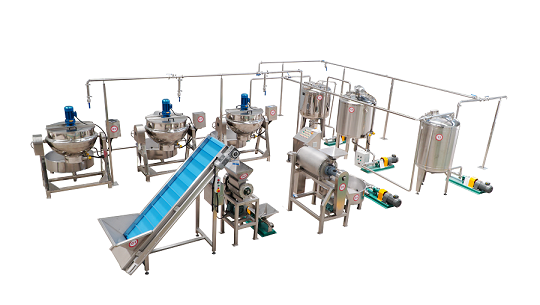
Core systems include washing, sorting, peeling, cutting, juicing, pulping, blanching, freezing, drying, and packaging lines, widely applied in food factories, beverage plants, and agricultural processing industries. The company is committed to improving production efficiency, reducing labor costs, and maintaining consistent product quality through automation and intelligent control technologies.
By combining innovation, reliability, and customer-focused engineering, the company continues expanding into Asia, Europe, the Middle East, and the Americas, aiming to become a trusted global partner in food processing automation. It maintains strict quality standards and complies with international manufacturing requirements, providing OEM and ODM customization services tailored to different capacities and production needs.
Furthermore, the company invests heavily in research and development, continuously upgrading processing technology, improving energy efficiency, and enhancing equipment stability, while providing comprehensive after-sales support, installation guidance, and technical training to ensure long-term operational success for global customers in diverse food manufacturing environments.
How CarniTe machinery integrates into specific food industry workflows across global markets.
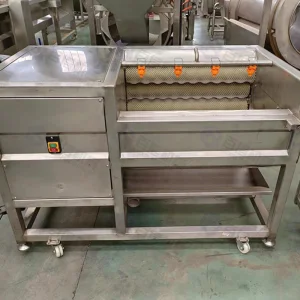
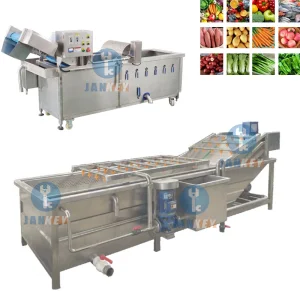
Scenario: Processing root crops (potatoes, cassava, ginger) in South America and Europe. From high-capacity soil washing to continuous peeling, blanching to deactivate enzymes, and flash freezing. CarniTe's integrated air-bubble washers and peelers prevent raw product waste while keeping high OEE.
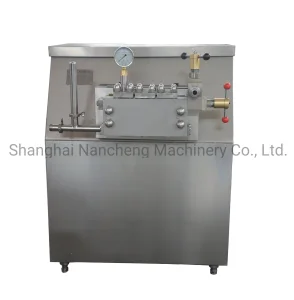
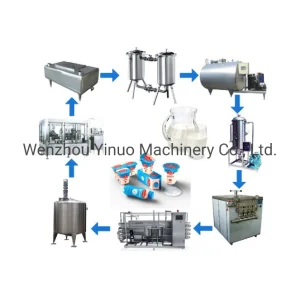
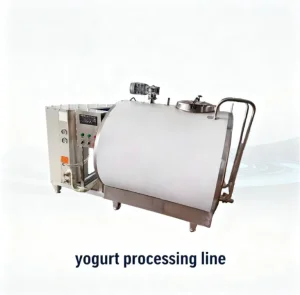
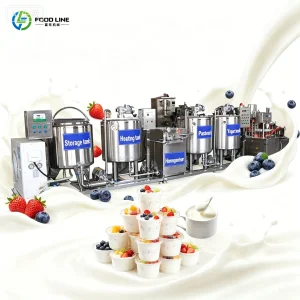
Scenario: Integrated dairy lines in Central Asia and the Middle East. Standardizing pasteurization cycles, managing inline yogurt culture inoculation, and maintaining sanitary conditions. This process uses clean-in-place linkage lines and automatic cup-filling systems.
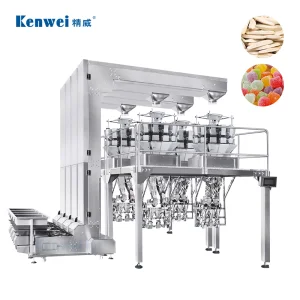
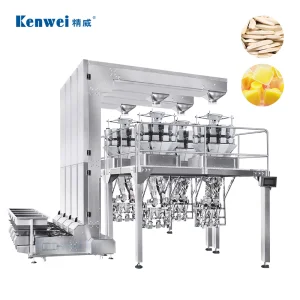
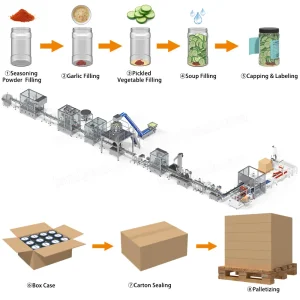
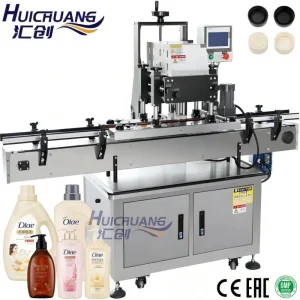
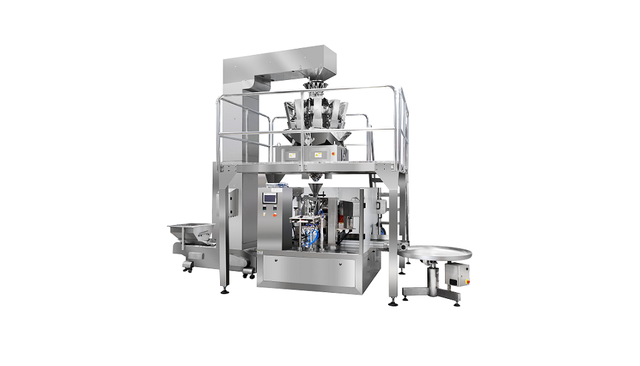
Scenario: Automated multi-head weighing, cup filling, nitrogen injection, and post-packaging robotic palletizing in East Asian mega-factories. These systems minimize human contact, extending shelf life for supermarkets and logistics hubs.
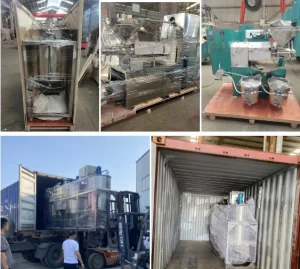
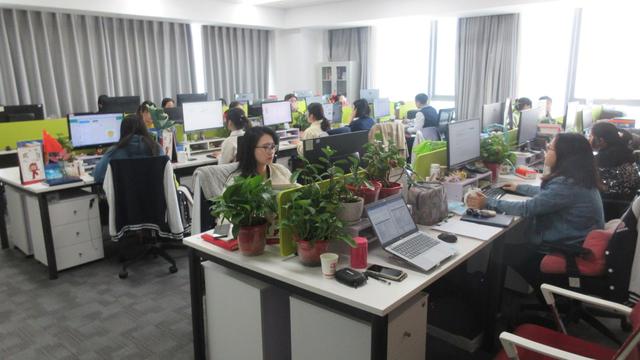
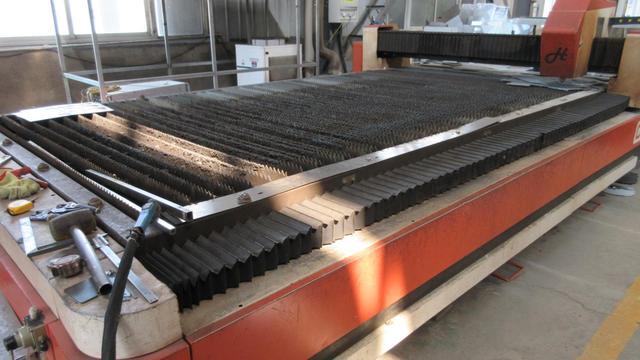
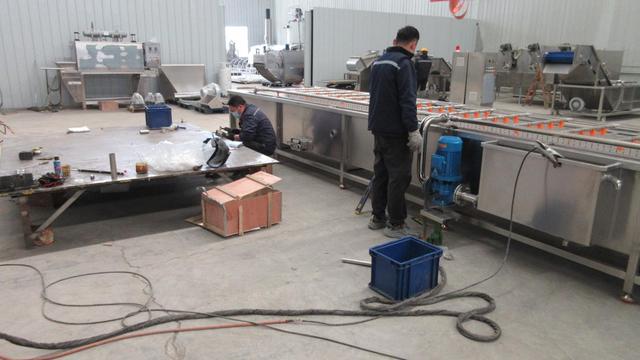
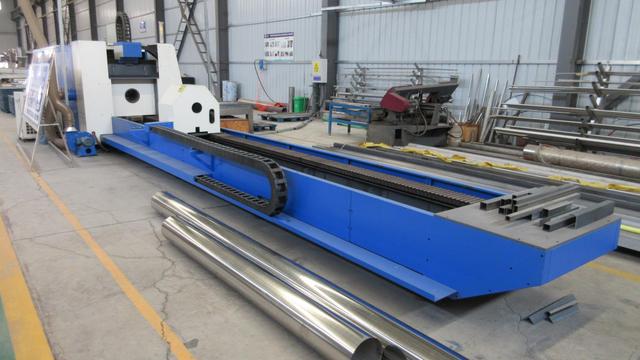
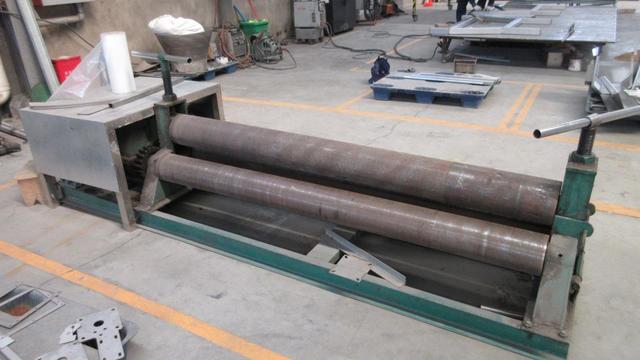
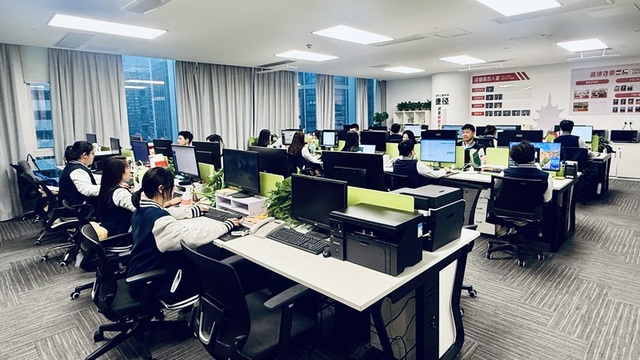
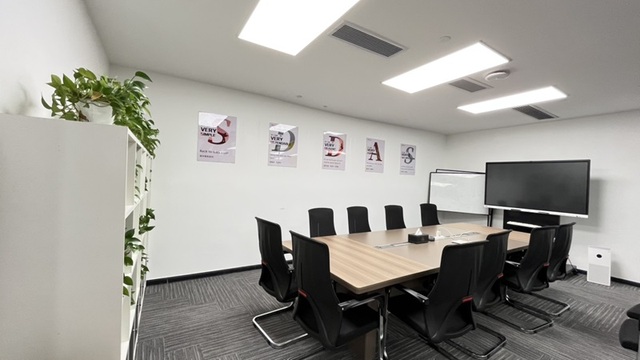
A inside look at CarniTe Machinery's manufacturing facilities, R&D centers, and engineering standards.
Answers to questions from plant operations directors, procurement leads, and food safety engineers.
All food contact surfaces are built with food-grade SUS304 stainless steel, with options for SUS316L for high-acid environments (such as tomato juicing or vinegar production lines). Synthetic components like conveyor belts and seals are FDA-certified and heat-stable to prevent product contamination.
Yes. Our engineering department provides comprehensive OEM/ODM and engineering integration support. We build processing systems to match customer footprint limits, ceiling heights, throughput targets, and specific plant utility connections.
We provide remote diagnostic troubleshooting, spare parts shipping, and on-site engineering dispatch options. Each machine includes wiring diagrams, operations guides, and technical training modules to keep your plant team operational with minimal training lag.
Our processing plants optimize utility usage by recycling hot water and steam from blanching units, optimizing motor power with variable frequency drives (VFD), and using thermal insulation in cold chambers. This reduces utility costs per ton of packaged food.
Heavy-duty, high-performance machinery designed for continuous operation in processing fruits, dairy, and bulk vegetables.
 CarniTe Machinery