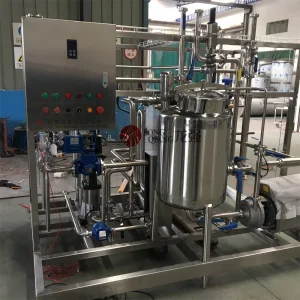
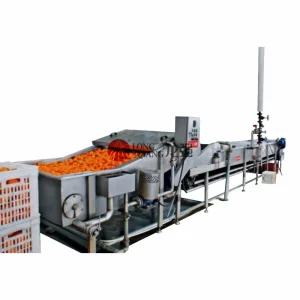
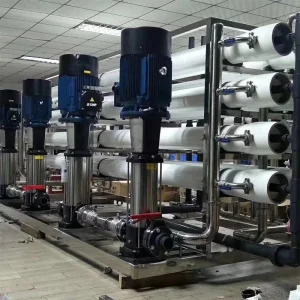
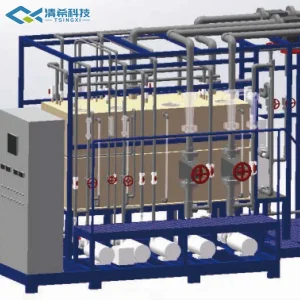
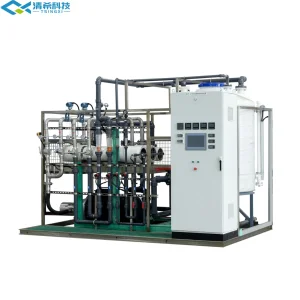
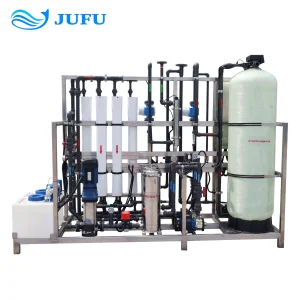
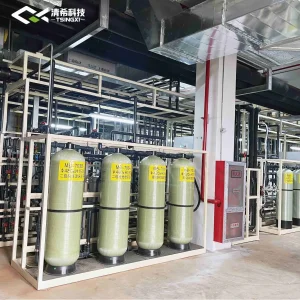
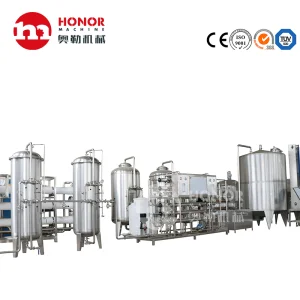
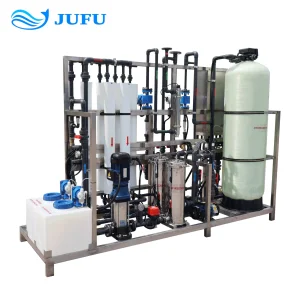
Engineered to maximize juice yield, retain sensory qualities, and guarantee maximum biological safety. Specialized systems optimized for Lisbon's industrial food hubs.
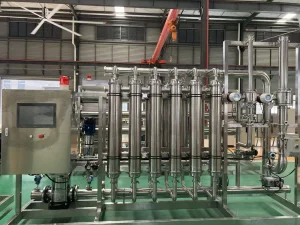
The Metropolitan Area of Lisbon, combined with surrounding regions such as the Oeste and Ribatejo food clusters, represents Portugal’s most demanding industrial zone for agricultural processing. Traditionally renowned for premium viticulture, stone fruits, and horticulture, local beverage producers are shifting from conventional thermal pasteurization and chemical clarification towards sustainable, high-yield mechanical and membrane extraction systems.
This dynamic transformation is driven by several local economic indicators:
By implementing low-temperature cold pressing coupled with multi-stage cross-flow membrane filtration, Lisbon's juice processors can achieve higher yield efficiencies, significantly reduce operational expenditure (OPEX), and meet the stringent requirements of EU exports.
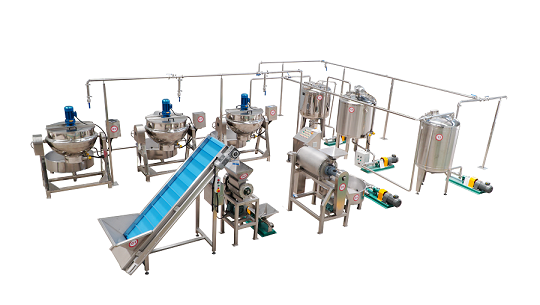
Our solutions deliver localized, turn-key automation capabilities designed to adapt to municipal water quality variations and European CE/HACCP directives. We bridge the gap between high-capacity raw fruit sorting and micron-level sterile beverage filtration.
From primary belt press extraction to tertiary hollow fiber ultrafiltration and RO concentration, CarniTe provides unified control cabinets (Siemens/Allen-Bradley PLC) with remote cloud diagnostic connectivity.
Understanding the physics behind modern juice processing and mechanical fluid separations.
Our extraction systems utilize pneumatically controlled membrane presses and continuous progressive belt presses. By applying gradual pressure profiles to the fruit mash, we prevent the crushing of seeds and minimize pectin release, yielding a naturally brighter, premium raw juice profile.
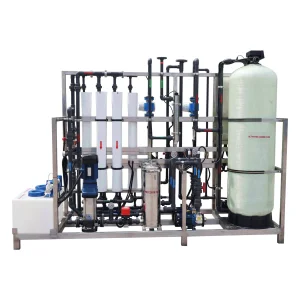
Traditional fining agents (bentonite, gelatin) alter sensory profiles. Our organic polymeric and ceramic cross-flow filtration modules remove suspended solids, yeasts, and bacteria down to 0.1 microns, offering a sterile-filtered, stable beverage while retaining natural aromatics and pigments.
By leveraging high-pressure RO/NF membranes, we concentrate fruit juices and beverages without using thermal heat. This cold concentration process preserves heat-sensitive vitamins (Vitamin C) and prevents caramelized off-flavors, securing premium shelf placement for regional distributors.
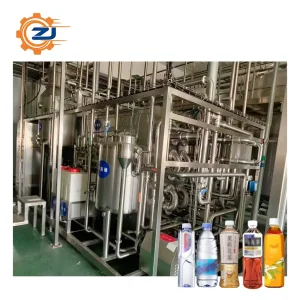
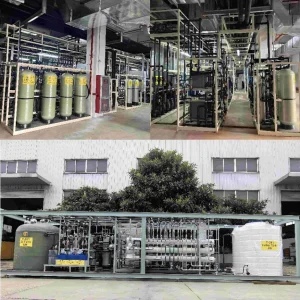
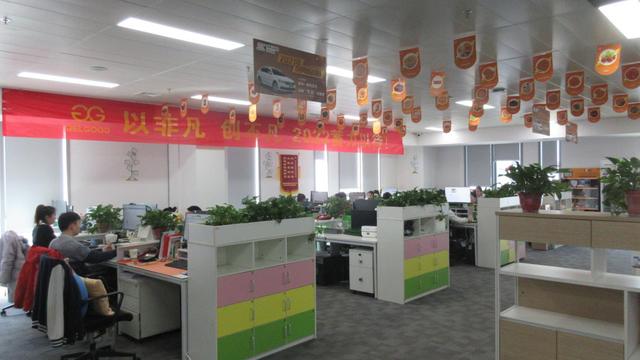
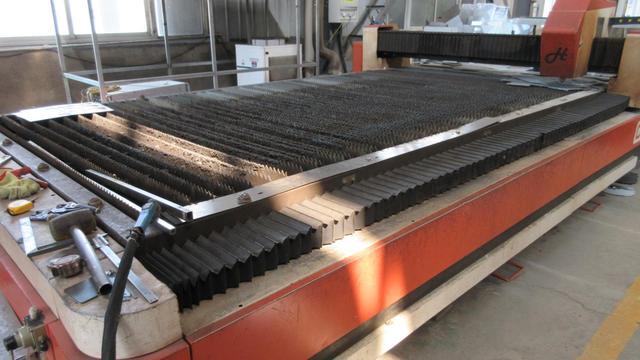
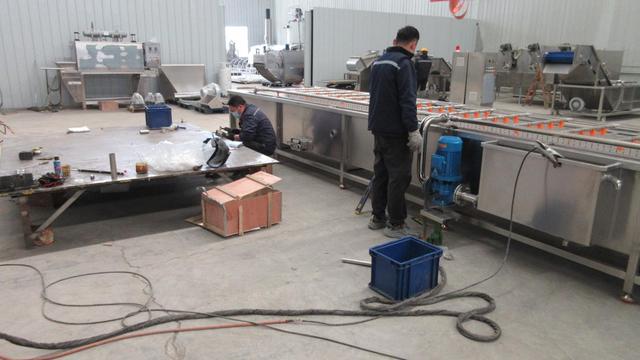
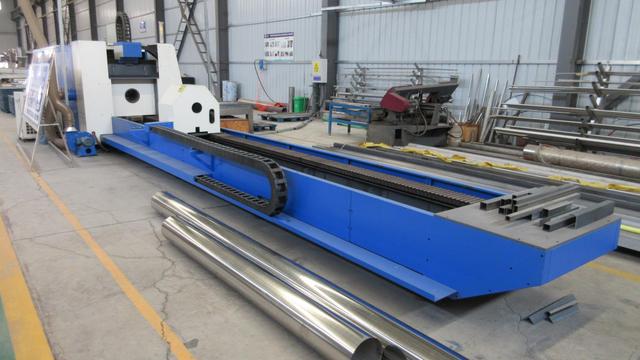
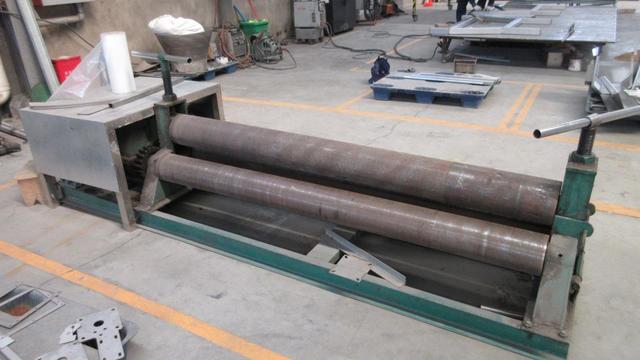
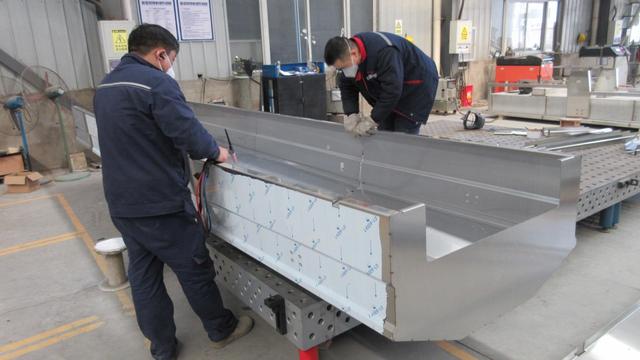
Inside CarniTe's advanced manufacturing workshops. Robust machinery built to last under continuous 24/7 industrial production schedules.
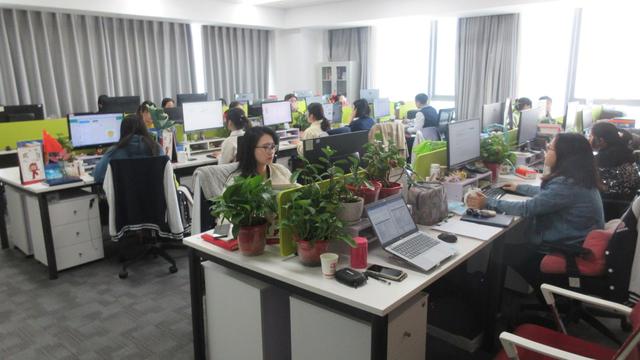
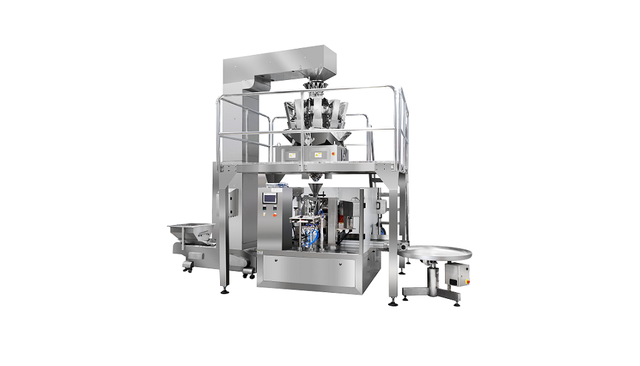
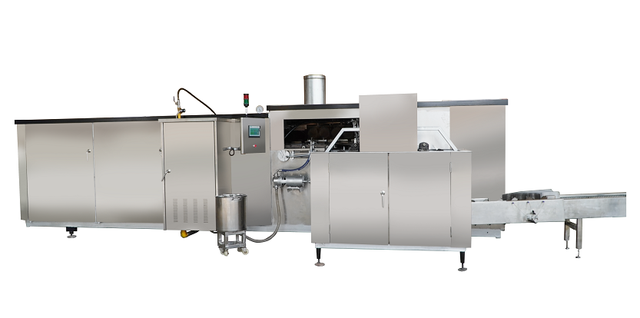
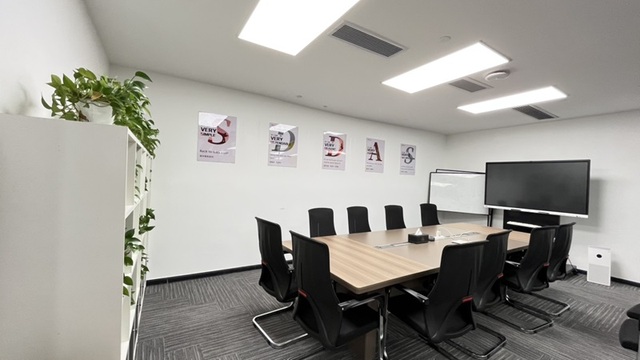
Procuring capital equipment for the European Union requires strict adherence to legal directives. All machinery exported by CarniTe to the Portuguese market is certified to meet European standard regulations, simplifying the integration of our processing lines into local production ecosystems.
All wet contact surfaces are manufactured from certified AISI 304 or AISI 316L stainless steel. Gaskets, membranes, and sealing compounds are FDA-approved and compliant with EU Regulation (EC) No 1935/2004 for food contact materials.
Every system integrates electrical panels certified under Low Voltage Directive (LVD) 2014/35/EU and Electromagnetic Compatibility (EMC) 2014/30/EU. Safety switches, emergency relief valves, and mechanical guards conform to CE standards.
To support high microbiological safety in Portuguese factories, our systems are optimized for CIP (Clean-In-Place) and SIP (Sterilize-In-Place) protocols, incorporating self-draining piping layouts and spray balls that eliminate sanitary dead legs.
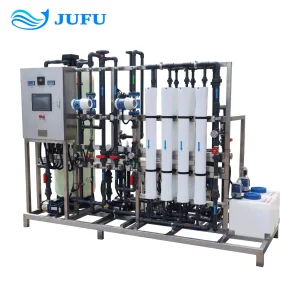
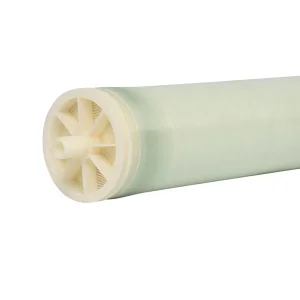
Explore our industrial range of reverse osmosis, nanofiltration, beverage processing skids, and high-flux membrane components.
Dongguan CarniTe Machinery Co., Ltd. is a professional manufacturer specializing in fruit and vegetable processing equipment and integrated industrial food processing solutions. The company focuses on the research, development, production, and global supply of advanced processing lines for fruits, vegetables, and related food products. With strong engineering capability and industry experience, CarniTe Machinery delivers turnkey solutions that ensure efficient, hygienic, and scalable food production.
Core systems include washing, sorting, peeling, cutting, juicing, pulping, blanching, freezing, drying, and packaging lines, widely applied in food factories, beverage plants, and agricultural processing industries. The company is committed to improving production efficiency, reducing labor costs, and maintaining consistent product quality through automation and intelligent control technologies.
Dongguan CarniTe Machinery Co., Ltd. maintains strict quality standards and complies with international manufacturing requirements. It provides OEM and ODM customization services tailored to different capacities and production needs.
By combining innovation, reliability, and customer-focused engineering, the company continues expanding into Asia, Europe, the Middle East, and the Americas, aiming to become a trusted global partner in food processing automation.
The company also invests heavily in research and development, continuously upgrading processing technology, improving energy efficiency, and enhancing equipment stability, while providing comprehensive after-sales support, installation guidance, and technical training to ensure long-term operational success for global customers in diverse food manufacturing environments.
Technical guidance and engineering answers for industrial beverage operators in Lisbon and Iberia.
 CarniTe Machinery