Flavor retention in fruit beverages is a crucial aspect for both manufacturers and consumers. Customers desire refreshing drinks that maintain their natural taste. However, keeping that flavor intact can be a challenge. Many factors influence flavor retention, including processing techniques and ingredient quality.
Understanding how to improve flavor retention in fruit beverages is essential for creating appealing products. For example, choosing the right storage method can significantly impact flavor longevity. Natural preservatives may also play a role, but their effectiveness varies widely. Exploring these options can lead to better tasting drinks that satisfy consumer demands.
The beverage industry faces constant pressure to innovate. Yet, not all product enhancements lead to improved flavor retention. Some methods may even diminish the drink’s appeal. Therefore, it's vital to approach flavor preservation thoughtfully. By analyzing various strategies, brands can find reliable solutions to enhance the beverage experience.
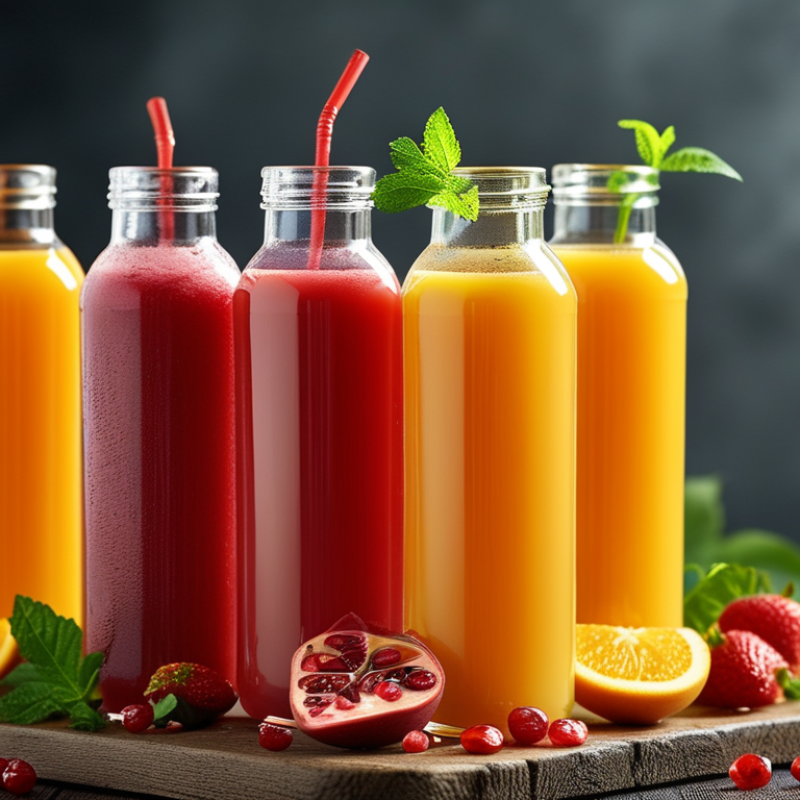
Understanding Flavor Retention in Fruit Beverages
Flavor retention in fruit beverages is a crucial aspect of product quality. It directly affects consumer satisfaction and overall taste experience. To achieve optimal flavor retention, understanding the factors involved is essential. Temperature plays a significant role. Higher temperatures can accelerate flavor degradation, while lower temperatures often maintain freshness.
Another key factor is the choice of ingredients. Natural flavors tend to stay longer than synthetic ones. The use of preservatives can help, but they may alter the taste profile. pH levels also matter. Beverages that are too acidic or too neutral can lose their vibrant flavors.
Packaging influences flavor retention as well. Light exposure and oxygen can lead to flavor loss over time. Options like dark glass bottles or vacuum packaging can protect the beverage. Lastly, storage conditions are often overlooked. Keeping drinks in a cool, dark place is essential for maximum flavor preservation.
Finding the right balance among these factors can be challenging. Experimentation with various approaches is necessary. Not every method will yield perfect results. Understanding these details is key to enhancing flavor longevity in fruit beverages.
10 Best Ways to Improve Flavor Retention in Fruit Beverages
| Method |
Description |
Impact on Flavor Retention |
Potency |
| Cold Storage |
Store beverages at lower temperatures to slow down flavor degradation. |
High |
Highly effective |
| Use of Antioxidants |
Incorporate natural or synthetic antioxidants to prevent oxidative deterioration. |
Medium |
Effective |
| Avoid Light Exposure |
Store beverages in opaque containers to prevent light-induced flavor loss. |
High |
Very effective |
| Minimize Air Contact |
Use airtight containers to limit oxygen exposure. |
High |
Highly effective |
| Use Flavor Preservatives |
Add flavor stabilizers to prolong the freshness of fruit tastes. |
Medium |
Effective |
| Control pH Levels |
Maintain an optimal pH to enhance stability and flavor longevity. |
Medium |
Moderately effective |
| Use High-Quality Fruit |
Select the freshest and best quality fruits for better flavor base. |
High |
Highly effective |
| Limit Processing Time |
Reduce the time between fruit processing and bottling to retain flavor. |
High |
Very effective |
| Carbonation |
Add carbonation to enhance mouthfeel and mask flavor loss. |
Medium |
Moderately effective |
| Innovative Packaging |
Utilize advanced packaging techniques to protect flavors from external factors. |
High |
Very effective |
Selecting Quality Ingredients for Enhanced Flavor
When crafting fruit beverages, the selection of quality ingredients plays a vital role in flavor retention. Fresh, ripe fruits are essential. They hold the highest concentration of natural sugars, acids, and aromatic compounds. Opt for seasonal fruits, as they offer peak flavor and nutrition. Handpicking fruits from local markets can be a rewarding experience. This practice ensures that you are getting the freshest options available.
In addition to fruits, consider the role of other ingredients. Natural sweeteners, like honey or agave, can enhance the overall taste. Their unique profiles round out the beverage's flavor, making it more complex. Be mindful of artificial additives, as they often detract from the natural essence of the drink. Water quality also matters. Using filtered water can subtly influence the overall flavor profile of the final product.
Experimentation is key when blending different flavors. Some combinations may yield unexpected results that make you rethink your approach. If a particular blend does not work, don't be discouraged. It’s an opportunity to learn and refine your craft further. Adjusting ratios and trying new ingredients can lead to surprising discoveries that elevate your fruit beverages.
Optimal Processing Techniques for Retaining Flavor
When it comes to retaining flavor in fruit beverages, optimal processing techniques play a crucial role. One key technique is cold pressing. This method minimizes heat exposure, preserving volatile compounds responsible for that fresh taste. As a result, you can capture the vibrant notes of the fruit more effectively. However, finding the right balance between extraction and preservation can be challenging. Some may find that not all flavors translate well in this process.
Another effective technique is pasteurization, but it's a double-edged sword. While this method extends shelf life, it often compromises some delicate flavors. A short burst of heat can reduce these losses. However, over-processing can turn vibrant flavors bland. Finding the sweet spot requires careful monitoring. Using advanced technologies, like flash pasteurization, may help retain more flavors while effectively eliminating pathogens.
Packaging also influences flavor retention. Oxygen and light can degrade flavor. Using vacuum-sealed containers or dark glass bottles can mitigate these effects. However, these solutions might not always be cost-effective for small producers. There is a continuous need to innovate without sacrificing taste. Balancing cost, quality, and preservation is an ongoing challenge for producers. Each choice can significantly affect the final product's flavor profile.
10 Best Ways to Improve Flavor Retention in Fruit Beverages
Importance of Proper Storage Conditions for Beverages
Proper storage conditions play a vital role in the flavor retention of fruit beverages. According to industry reports, the right temperature can significantly affect the longevity of a beverage's taste. For instance, beverages stored at refrigerated temperatures, between 34°F and 40°F, can maintain their flavor for longer periods compared to those stored at room temperature. This is crucial for preserving the essential fruit compounds that contribute to the beverage's flavor profile.
Tips: Always store beverages in a dark place. Light exposure can cause degradation of flavors. Use dark containers to minimize light interaction.
Additionally, controlling humidity levels is important. High humidity can lead to mold growth, while low humidity can dry out beverage caps, causing leaks. A balanced humidity level of around 50% is optimal for keeping beverages fresh. However, maintaining these conditions can be challenging. Many consumers are unaware of how these factors impact flavor retention.
Tips: Consider using humidity control packs. These can help maintain consistent moisture levels in storage areas. Be mindful of the environment in which you store beverages.
Storing beverages in well-sealed containers can also prevent oxidation, which alters the flavor. Research has indicated that bottled fruit beverages can lose up to 30% of their flavor due to oxygen exposure over time. Investing in quality storage solutions can make a significant difference.
Utilizing Natural Preservatives to Enhance Flavor Longevity
Natural preservatives are becoming essential in extending the flavor life of fruit beverages. Studies show that the global natural preservatives market is expected to reach $2.54 billion by 2027, reflecting a growing trend toward healthier options. Consumers increasingly seek products without artificial additives, pushing manufacturers to find effective natural solutions.
Citric acid, derived from citrus fruits, is a popular choice. It helps to inhibit enzymatic browning. Recent findings indicate that citric acid can extend shelf life up to 30% for many beverages. Another effective option is rosemary extract, known for its antioxidant properties. Research published in the Journal of Food Science demonstrates rosemary extract can preserve flavor without altering the taste profile negatively.
Challenges remain, however. Finding the right balance of preservatives is crucial. Too much can overpower the beverage's natural flavor. Moreover, some consumers still perceive natural preservatives as less effective than synthetic options. This perception can create a barrier for brands to fully leverage these natural ingredients. As the market evolves, understanding consumer preferences will be vital for developing successful strategies.
FAQS
: Flavor retention relates to how long the taste remains enjoyable. It's crucial for product quality and consumer satisfaction.
Higher temperatures can speed up flavor loss. Lower temperatures help maintain freshness longer.
Natural flavors last longer than synthetic ones. However, preservatives can change the taste profile of the beverage.
Beverages that are too acidic or neutral can lose their vibrant flavors. Maintaining a balanced pH is essential.
Packaging protects beverages from light and oxygen. Dark bottles or vacuum packs help maintain flavor over time.
Store beverages in a cool, dark place. Temperature and light exposure significantly affect flavor longevity.
Aim for about 50% humidity. Too high can cause mold; too low can lead to leaks from cap dryness.
Yes, natural preservatives like citric acid and rosemary extract can enhance shelf life without harming taste.
Finding the right balance is key. Too much can overpower flavors. Consumer perception may also be a challenge.
Many people are unaware of its impact on flavor retention. Keeping beverages well-sealed is crucial to prevent oxidation.
Conclusion
To effectively improve flavor retention in fruit beverages, it is essential to understand the factors influencing taste stability. High-quality ingredients play a pivotal role; therefore, selecting fresh, ripe fruits free from defects can significantly enhance the overall flavor profile. Additionally, optimal processing techniques, such as gentle extraction methods and minimal heat exposure, help preserve the natural flavors and aromas of the fruit.
Proper storage conditions are also crucial in maintaining beverage quality over time. Keeping beverages in cool, dark environments can prevent flavor degradation. Lastly, utilizing natural preservatives like ascorbic acid or citric acid can further enhance flavor longevity, ensuring that the beverage remains delicious and appealing to consumers. By following these guidelines, beverage producers can effectively learn how to improve flavor retention in fruit beverages, resulting in a more satisfying product.

 CarniTe Machinery