How does an industrial fruit peeling machine work effectively?

Time:2026-05-01 Author:Madeline
0%

The industrial fruit peeling machine has revolutionized food processing. It enhances efficiency and reduces labor costs. But how does industrial fruit peeling machine work effectively? This inquiry leads us to a deeper understanding of technology in food production.

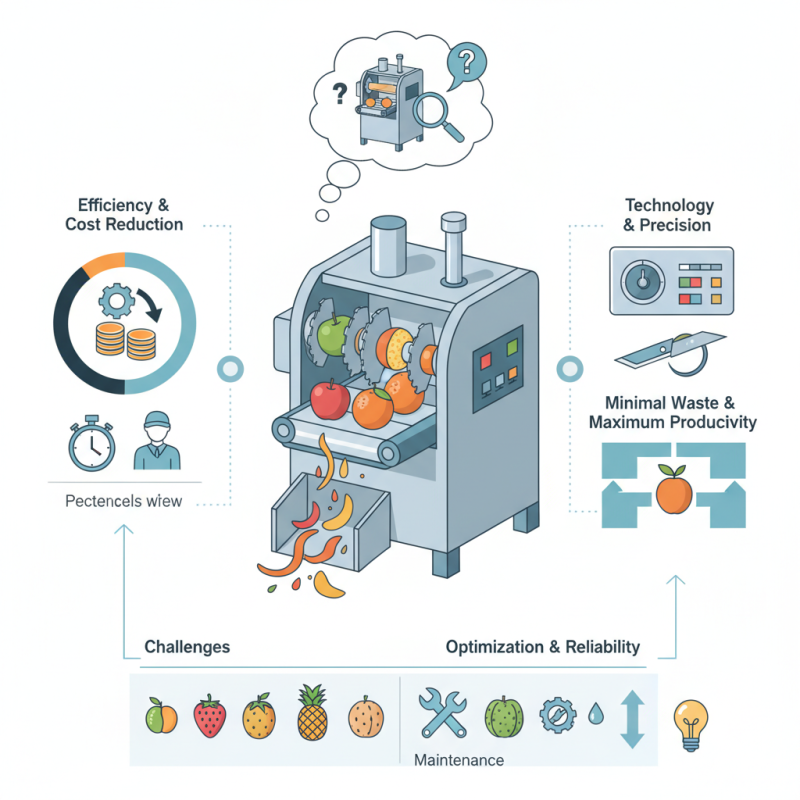
These machines utilize sharp blades and adjustable settings to peel various fruits. Their design ensures minimal waste and maximum productivity. Operators must undergo training to handle the machinery properly. However, there can be challenges. For example, different fruit sizes and textures affect peeling performance. Some machines struggle with delicate fruits or those with tough skins.

Moreover, establishing maintenance routines is crucial. Neglected machines may malfunction, leading to waste and downtime. Understanding how to optimize these machines requires experience and technical knowledge. There's always room for improvement in this field. The goal is to combine effectiveness with reliability.
How does an industrial fruit peeling machine work effectively?

Overview of Industrial Fruit Peeling Machines and Their Design

Industrial fruit peeling machines are designed for efficiency and precision. They usually consist of a rotating drum or blade that removes the skin of various fruits. These machines have gained popularity in large-scale food processing facilities due to their ability to boost productivity. Industry reports indicate that the market for fruit peeling machines is projected to grow at a rate of 5.7% annually through 2025. This growth can be attributed to increasing demands for ready-to-eat food products.

The design of these machines often includes features that ensure minimal waste during the peeling process. Modern models utilize advanced technology, such as sensors that adjust the blade depth according to fruit size. This adaptability allows for uniform peeling, optimizing the yield. However, manufacturers face challenges like maintenance costs, which can affect long-term reliability. Some machines require frequent recalibration, impacting operational efficiency.

The effectiveness of these machines also depends on the variety of fruits being processed. Different fruits have varying textures, and not all machines are equipped to handle them efficiently. Inadequate design may lead to excessive fruit waste. Thus, continuous innovation and research are vital to enhance performance and meet industry standards.

How does an industrial fruit peeling machine work effectively?

Feature Description Efficiency Rating Optimal Fruit Type
Peeling Mechanism Rotating blades that adjust to fruit curvature High Apples, Oranges
Speed Capable of peeling up to 100 fruits per minute Very High Kiwi, Peaches
Adjustability Flexible settings for different sizes and types of fruits Medium Berries, Grapefruits
Safety Features Emergency stop buttons and protective casing High All types
Maintenance Regular cleaning and blade sharpening required Medium All types

Key Components of an Effective Fruit Peeling Machine

An effective industrial fruit peeling machine typically comprises several key components. The peeling mechanism is central to its operation. This typically involves a combination of blades and rollers that work in tandem to remove the skin of various fruits efficiently. The design of these blades is crucial. They should be sharp enough to ensure clean cuts while minimizing the loss of fruit flesh.

In addition to the peeling mechanism, the machine often features an adjustable feed system. This allows for uniform input of fruits, accommodating different sizes and shapes. A reliable conveyor belt is essential, ensuring smooth movement through the peeling process. Additionally, operators should pay attention to the machine's safety features. Emergency stop buttons and proper shielding protect users from potential accidents.

Regular maintenance is vital for these machines to operate at peak efficiency. Inspecting blades for wear, checking for blockages, and ensuring that all components are aligned are critical for optimal function. However, not all machines perform flawlessly. Some may struggle with softer fruits or uneven shapes. This can lead to inconsistencies in peeling, which highlights the need for ongoing adjustments and operator training. The effectiveness of a peeling machine relies on a combination of its components and the expertise of its operators.

Mechanisms and Technologies Used in Fruit Peeling

Industrial fruit peeling machines utilize advanced mechanisms to streamline the peeling process. These machines often employ a combination of blades, rollers, and pressure systems. The efficiency of these components is critical for clean and uniform peeling. In some designs, the fruit is fed into the machine, which applies controlled pressure to hold it in place. Blades then remove the skin at a precise angle and depth.

Technologies like ultrasonic peeling have emerged as well. This method uses high-frequency sound waves to loosen the skin without damaging the fruit. It’s a gentler approach, reducing waste and bruising. While these technologies offer promising results, they may require adjustments based on fruit type and size. Operators need to be trained to optimize machine settings for different fruits.

Despite the advancements, challenges remain. Some machines struggle with soft fruits, leading to inconsistent peeling results. Regular maintenance is essential to ensure blades remain sharp and effective. Operators must also monitor for potential jams or misfeeds, which can halt production. Continuous improvement and innovation in machine design are necessary to address these issues and enhance reliability.

Operational Efficiency: Speed and Quality of Peeling Process

The operational efficiency of an industrial fruit peeling machine hinges on two primary factors: speed and quality. Studies indicate that advanced machines can process over 100 fruits per minute, significantly reducing labor time. High-capacity peeling can save businesses up to 30% in operational costs. Yet, speed shouldn't compromise quality. Some machines struggle with delicate fruits, leading to bruising or uneven peeling. Manufacturers must balance these aspects to ensure maximum output without sacrificing the integrity of the fruit.

Quality control measures are crucial. Some peeling machines feature sensors to adjust peeling depths automatically. This technology helps maintain consistency, ensuring that fruits remain intact, vibrant, and appealing. Reports suggest that consistent quality can enhance product shelf life by over 25%. However, operators must regularly calibrate machines to avoid discrepancies. Outdated equipment can lead to increased waste, reflecting the importance of investing in reliable technology. In this driving industry, the efficiency of the peeling process can significantly impact overall productivity and profitability.

Maintenance and Best Practices for Optimal Performance

An industrial fruit peeling machine is designed for efficiency. However, optimal performance requires regular maintenance and careful practices. Keeping the machine clean is crucial. Fruit residues can build up and affect performance. Use a soft brush and non-corrosive cleaners. Pay attention to hidden areas where dirt may accumulate.

Regular inspections are essential. Check for wear and tear on blades and belts. Dull blades can slow down the peeling process. Replace them as needed to maintain efficiency. Lubricate moving parts to reduce friction. This helps extend the life of the machine and ensures smoother operation.

User feedback and mechanical performance can highlight areas for improvement. Operating the machine within its specified limits prevents overloading and damage. Listening to any unusual sounds can signal potential issues. Reflecting on these aspects can lead to better practices in the long run.

Fruit Peeling Machine Maintenance and Performance Metrics

FAQS

: What are industrial fruit peeling machines designed for?

: They are designed for efficiency and precision in peeling various fruits.

How do these machines increase productivity?

Their ability to automate the peeling process boosts output in large-scale food processing.

What technology do modern peeling machines use?

They often include sensors that adjust blade depth based on fruit size.

Why is maintenance important for these machines?

Regular upkeep is crucial to prevent performance issues and extend machine life.

What should be checked during regular inspections?

Inspect blades and belts for wear, and replace dull blades to maintain efficiency.

How can fruit residue affect machine performance?

Build-up can reduce efficiency; cleaning is necessary to avoid this issue.

What might unusual sounds indicate?

They can signal potential problems that need immediate attention and reflection.

Are all machines suitable for every type of fruit?

No, different fruits have varying textures, and some machines may not handle them well.

How can user feedback improve machine performance?

It can highlight areas for improvement and encourage better operational practices.

What is a common challenge manufacturers face?

Maintenance costs and the need for frequent recalibration can affect reliability and efficiency.

Conclusion

Industrial fruit peeling machines are designed to streamline the peeling process, enhancing both speed and quality in food processing operations. These machines utilize various mechanisms and technologies, such as rotary blades and pneumatic systems, to ensure effective skin removal while minimizing waste. A robust design integrates key components like feed systems and peelers, allowing for seamless operation and optimum throughput.

To understand how does an industrial fruit peeling machine work effectively, one must consider its operational efficiency, which hinges on the balance between peeling speed and the quality of the end product. Regular maintenance and adherence to best practices are crucial for sustaining optimal performance and extending the machine's lifespan. By implementing these practices, businesses can maximize their output and maintain high standards in fruit preparation.

Madeline

Madeline

Madeline is a dedicated marketing professional with a wealth of expertise in our company's core offerings. With a keen understanding of the industry, she brings a unique perspective to her role, consistently delivering high-quality content that highlights the superior aspects of our products. As......