Why Maintaining Hygiene is Crucial in Industrial Food Processing?

Time:2026-06-07 Author:Amelia
0%

Maintaining hygiene in industrial food processing is critical for health and safety. According to the Food Safety and Inspection Service, inadequate hygiene practices can lead to foodborne illnesses, which affect millions annually. In fact, an estimated 48 million people in the U.S. get sick from food each year. This data highlights the severe consequences of neglecting hygiene.

To understand how to maintain hygiene in industrial food processing, one must analyze various factors. Regular cleaning schedules, proper employee training, and appropriate equipment sanitation are just a few essential elements. Implementing a comprehensive hygiene management system is crucial. The Global Food Safety Initiative states that a robust plan can decrease contamination risks by up to 90%.

However, despite available guidelines, many facilities still struggle with adherence. Studies reveal that about 30% of food processing plants experience hygiene breaches. These lapses can stem from insufficient training or outdated practices. Ultimately, prioritizing hygiene in industrial food environments is not just a recommendation—it’s a necessity for public health and operational success.
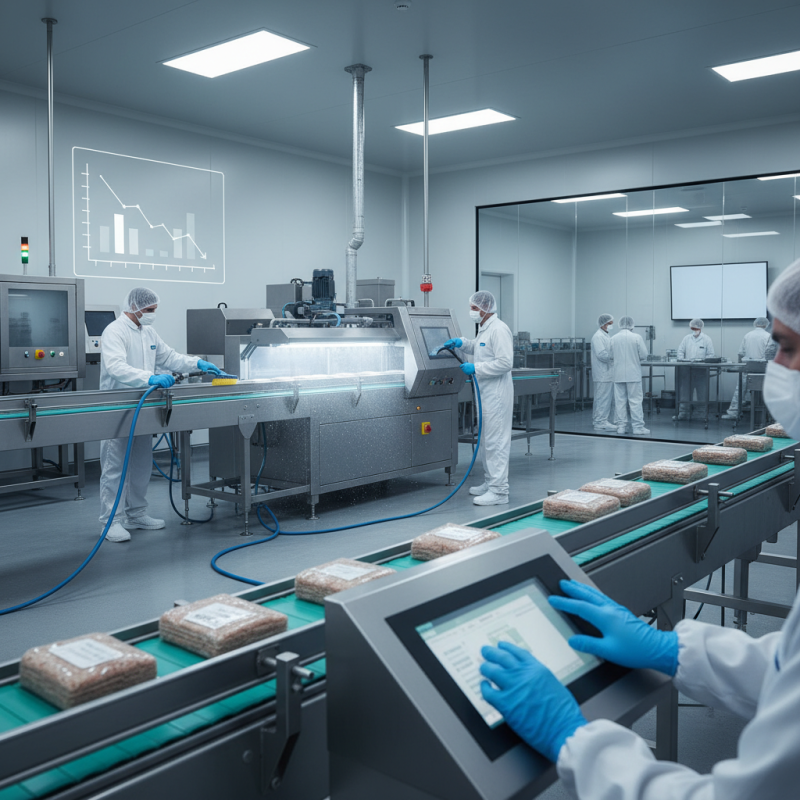
Why Maintaining Hygiene is Crucial in Industrial Food Processing?

The Importance of Hygiene in Preventing Foodborne Illness in Industry

In industrial food processing, hygiene is paramount. Foodborne illnesses can originate from pathogens like bacteria, viruses, and parasites. When food is contaminated, it can lead to severe health issues for consumers. Proper hygiene practices in every phase of food handling are vital. Employees must wash hands frequently and wear protective gear. These simple actions can significantly reduce the risk of contamination.

However, maintaining hygiene is challenging in large-scale operations. Equipment can harbor bacteria if not sanitized properly. Cross-contamination can easily occur if raw and cooked foods are not separated. It’s essential to educate staff about potential risks. Regular training can improve awareness and compliance with hygiene protocols. The importance of a clean environment cannot be overstated. Even minor lapses can lead to serious consequences.

In the quest for food safety, the food industry must constantly evaluate its hygiene practices. Regular audits and inspections are necessary to ensure compliance. Sometimes, it’s easy to overlook small details. But these details can have a huge impact on consumer health. The industry must remain vigilant, proactive, and dedicated to hygiene standards to safeguard public health effectively.

Key Industry Standards and Regulations on Food Hygiene Practices

In the industrial food processing sector, hygiene is paramount. Regulatory bodies implement strict standards to ensure food safety. These rules guide practices from raw material handling to final packaging. Compliance with these regulations not only protects consumers but also enhances product quality. Failure to adhere can result in contamination and significant health risks.

Key industry standards include the Hazard Analysis and Critical Control Points (HACCP) system. This method identifies and manages potential hazards in food production. Regular sanitation audits and employee training are crucial components. Yet, many facilities struggle to follow these protocols consistently. Issues such as inadequate training and aging equipment can lead to lapses in hygiene practices.

Documentation is another vital aspect. Keeping detailed records helps track processes and identify points of failure. While most companies understand its importance, some overlook the need for routine updates. This negligence can create gaps in compliance. Addressing these challenges requires ongoing commitment and improvement in hygiene practices throughout the food processing industry.

Impact of Poor Hygiene on Food Quality and Shelf Life

Maintaining hygiene in industrial food processing is vital. Poor hygiene can drastically affect food quality. Contaminated equipment or workspaces may introduce harmful bacteria. These impurities can lead to foodborne illnesses. Products may spoil faster, reducing their shelf life. Inadequate cleaning processes create a breeding ground for pathogens. Customers' health is at risk when hygiene practices falter. The consequences can be dire.

Tips: Regularly sanitize surfaces after each use. Ensure employees wear proper protective gear. Implement strict guidelines for personal hygiene. Educate staff about the importance of cleanliness.

Food quality declines with poor hygiene. Consumers are likely to reject substandard products. Trust is built on consistent quality. Contaminated foods can lead to recalls, damaging reputation. It’s crucial to evaluate cleaning protocols regularly. Reflecting on past mistakes can improve future practices.

Tips: Regular audits can help identify issues. Keep records of cleanliness checks. Encourage a culture of accountability among employees. Adapting to feedback can fortify hygiene measures.

Impact of Hygiene on Food Quality and Shelf Life

Maintaining hygiene in industrial food processing plays a pivotal role in determining food quality and shelf life. This chart illustrates the significant difference in food quality ratings based on varying levels of hygiene. As hygiene decreases, the quality of food significantly declines, impacting its safety and longevity.

Statistical Data on Food Safety Incidents Linked to Hygiene Failures

In recent years, food safety incidents tied to hygiene failures have risen alarmingly. According to data, improper hygiene practices contribute to thousands of foodborne illnesses annually. This highlights the importance of strict hygiene protocols in industrial food processing. A single lapse, such as cross-contamination, can lead to widespread consequences. Statistics show that nearly 48 million people in the U.S. get sick from food each year. Many of these cases stem from unsanitary conditions during production.


Understanding the risks of poor hygiene is vital. Regular training for staff can help reinforce best practices. Simple habits like handwashing can reduce contamination. Inadequate sanitization of surfaces is another critical concern. Implementing frequent checks can help maintain cleanliness. Facilities should have clear protocols for cleaning and maintaining equipment.


Tips for ensuring hygiene include scheduling regular audits. This helps identify potential issues before they escalate. Encourage a culture of accountability among workers. Everyone should feel responsible for maintaining high hygiene standards. Use data to inform training sessions, focusing on areas where incidents have occurred. Through constant vigilance, the industry can tackle hygiene failures effectively.

Best Practices for Implementing Hygiene Protocols in Food Processing Facilities

Hygiene in food processing is not just a necessity; it’s a requirement. According to the Food Safety and Inspection Service, improper hygiene practices lead to approximately 48 million cases of foodborne illnesses in the U.S. annually. This statistic highlights the urgent need for robust hygiene protocols in industrial food processing facilities.

Implementing effective hygiene measures can be challenging. Regular training of employees on hygiene practices is essential. Studies show that proper employee training can reduce contamination events by up to 30%. Frequent handwashing, sanitizing surfaces, and equipment maintenance must be routine. Monitoring these practices ensures compliance and safety. Surprisingly, only 60% of food processors have a documented hygiene training program, pointing to an area needing improvement.

A detailed sanitation schedule is crucial. Facilities should focus on both daily and weekly cleaning regimens. Specific attention should be given to high-risk areas like raw material processing zones. The World Health Organization emphasizes that effective cleaning reduces pathogen levels by as much as 99%. However, many facilities still face challenges in adhering to these standards, resulting in potential food quality issues. Regular audits and feedback mechanisms can help identify gaps and reinforce the importance of hygiene in food safety.

FAQS

: Why is hygiene important in the food processing industry?

: Hygiene is crucial for food safety and product quality. It prevents contamination and protects consumers.

What are HACCP guidelines?

HACCP guidelines identify and manage hazards during food production. They ensure safety from raw materials to packaging.

How can facilities improve their hygiene practices?

Facilities can improve by providing staff training and conducting regular sanitation audits. Consistency is key.

What role does documentation play in food hygiene?

Documentation tracks processes and identifies failures. Regular updates are essential to maintain compliance.

What health risks are associated with poor hygiene?

Poor hygiene increases foodborne illnesses. A single mistake can affect many consumers.

How often should audits be scheduled?

Regular audits should be scheduled to catch potential hygiene issues early. This prevents larger problems.

What simple habits can reduce contamination?

Simple habits like handwashing and surface sanitization can significantly lower contamination risks.

Why is staff accountability important?

A culture of accountability encourages all workers to prioritize hygiene. Everyone plays a role in maintaining safety.

What common challenges do food facilities face?

Facilities often struggle with inadequate training and outdated equipment, affecting hygiene practices consistently.

How can data be used to enhance food safety?

Data informs training sessions and highlights areas needing improvement. This targets efforts effectively.

Conclusion

Maintaining hygiene in industrial food processing is essential to prevent foodborne illnesses, which can have severe health implications for consumers. Stringent industry standards and regulations guide food hygiene practices, ensuring that facilities meet safety requirements. Poor hygiene not only jeopardizes food safety but also negatively impacts the quality and shelf life of products, leading to economic losses. Statistical data point to an alarming number of food safety incidents linked to hygiene failures, emphasizing the need for effective hygiene protocols.

To effectively implement hygiene standards, it is crucial to understand how to maintain hygiene in industrial food processing. Best practices include regular sanitation of equipment, employee training on hygiene awareness, and routine inspections to identify potential hazards. Establishing a culture of cleanliness within food processing environments not only protects public health but also fosters trust and confidence in food products.

Amelia

Amelia

Amelia is a seasoned marketing professional with a wealth of expertise in our company’s core offerings. With an unwavering passion for driving growth and innovation, she plays a pivotal role in shaping our marketing strategies and enhancing brand visibility. A key aspect of her responsibilities......