In the competitive arena of food production, efficiency stands as a cornerstone for success. Many processors seek ways to enhance productivity while maintaining quality. Understanding how to increase output in a vegetable processing plant is crucial for staying ahead. It involves strategic planning, optimizing workflows, and utilizing technology.
Adopting automated processes can drastically reduce labor costs. However, automation must be implemented thoughtfully. Over-reliance on machines can lead to quality issues. Proper training for staff is imperative for balancing technology and human insight. Staffing challenges can sometimes hinder expansion efforts. Addressing these issues requires a comprehensive approach.
It’s essential to analyze current production methods. Identify bottlenecks that slow down processes. Regular assessments can lead to uncovering inefficiencies. Engaging with team feedback can provide valuable perspectives. The path to higher output is rarely straightforward, but reflection and adaptation lay the groundwork for continuous improvement.
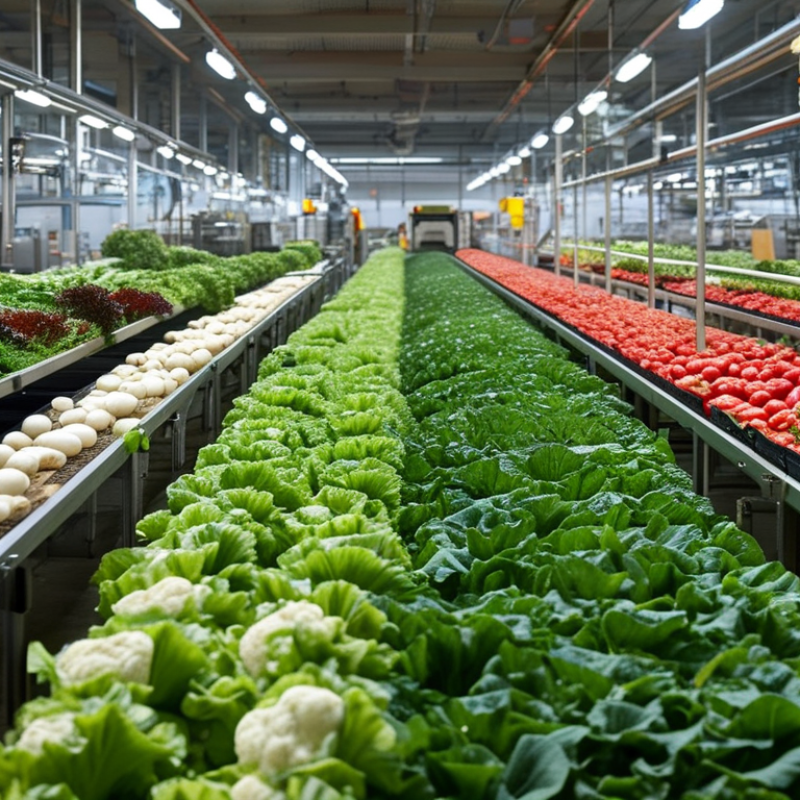
Assessing current production capacity is vital for any vegetable processing plant. Start by collecting data on output levels. Monitor daily and seasonal variations. Use this information to map your current capacity. Break down the processes into smaller sections. Identify the maximum output for each segment. This analysis reveals strengths and potential weaknesses.
Identifying bottlenecks is often much more challenging. Look for phases in production where delays frequently occur. These could be due to aging machinery or insufficient labor during peak times. Consult production staff for insights. They may notice issues overlooked by management. Sometimes, minor adjustments can reduce delays significantly. Regular reviews of the workflow can also uncover inefficiencies. Seek feedback from employees to improve processes continuously.
Lastly, be wary of complacency. Even during high output periods, there could be hidden issues. Regular assessments are necessary for sustaining efficiency. Don't underestimate the value of small changes. A slight tweak to the process might lead to remarkable improvements. Embrace a culture of continuous assessment and refinement to achieve long-term success.
In a vegetable processing plant, implementing advanced technology can significantly enhance operational efficiency. Automation tools, such as conveyor belts and robotic arms, streamline labor-intensive tasks. These innovations reduce the need for manual labor, which can be both costly and error-prone. However, the initial investment can be daunting. Many plants grapple with integrating these systems into existing processes.
Another crucial aspect is data analytics. Monitoring production lines in real-time helps identify bottlenecks. By analyzing this data, managers can adjust workflows promptly, reducing downtime. Yet, the reliance on technology raises concerns about cybersecurity. Ensuring data integrity should not be overlooked, as breaches can severely disrupt operations.
Training employees to adapt to new technologies is essential. Staff may resist changes due to comfort with traditional methods. Regular training sessions can foster a culture of acceptance. It's important to recognize that technology alone cannot solve all problems. Continuous reflection on both systems and personnel is vital for sustained success.
| Technology | Implementation Status | Expected Output Increase (%) | Cost Savings ($) |
|---|---|---|---|
| Automated Sorting Systems | Completed | 25% | $50,000 |
| Advanced Packaging Machines | In Progress | 15% | $30,000 |
| IoT Monitoring Systems | Planned | 10% | $20,000 |
| Data Analytics Software | Completed | 20% | $40,000 |
| Energy-Efficient Equipment | In Progress | 5% | $10,000 |
In the competitive landscape of vegetable processing, optimizing workforce training is crucial. A study by the Food Processing Suppliers Association found that companies investing in training can boost productivity by 20%. Proper training creates a more efficient workforce. Employees become skilled in operating machinery, reducing errors and downtime.
Training programs should be tailored to specific roles within the plant. For instance, line workers need different skills than quality control inspectors. Regular workshops and hands-on training can help improve overall performance. However, not all training methods yield positive results. Some programs lack engagement and fail to address real-world challenges.
Tracking key performance indicators (KPIs) is essential. For example, monitoring output rates can highlight areas needing improvement. A report by the International Journal of Food Science found that plants with comprehensive training programs reduced wastage by 15%. Investing in effective training and continuous assessments can lead to significant gains. However, revisiting and refining training approaches is necessary to keep up with industry demands.
Efficient supply chain management is crucial for increasing output in a vegetable processing plant. An optimized supply chain ensures materials are available when needed. Delays can result in wasted resources and reduced productivity. Communication between suppliers and plant managers is essential. Providing forecasts can help suppliers prepare better.
Tips for improving this aspect include streamlining communication channels. Use technology to track shipments in real-time. This helps identify bottlenecks early. Regular meetings with suppliers can enhance relationships and understanding. Timely updates on stock levels can prevent shortages.
Implementing a robust inventory management system is another key step. Regular audits help identify slow-moving items. These insights allow for better ordering practices. Consider diversifying suppliers to mitigate risks. Dependence on a single source can lead to disruptions. Reflecting on the current process can reveal hidden inefficiencies and areas for improvement.
In a vegetable processing plant, adopting sustainable practices is essential for increasing output while minimizing waste. Implementing effective waste management techniques can lead to significant reductions in environmental impact. For instance, composting vegetable scraps transforms waste into valuable organic fertilizers. This not only reduces disposal costs but also enriches soil health, contributing to a sustainable cycle.
Training employees to embrace eco-friendly practices is crucial. Workers should understand the importance of resource conservation. Simple changes, like reducing water use and optimizing energy consumption, can create a more efficient workflow. Involve team members in brainstorming sessions to generate innovative ideas for sustainability. Their insights can reveal unique challenges and opportunities typically overlooked.
Moreover, periodic evaluations of existing processes can highlight inefficiencies. While technology can aid in tracking production levels, human insights are equally valuable. Identifying areas for improvement can sometimes lead to uncomfortable truths about operational practices. It’s essential to foster an open culture that encourages feedback. Embracing these reflections can drive the transformation toward a more efficient and sustainable vegetable processing plant.
: Advanced technology enhances operational efficiency by automating labor-intensive tasks. This reduces errors and labor costs.
The initial investment can be daunting. Integrating new systems into existing processes is often challenging.
Real-time monitoring identifies bottlenecks. Managers can adjust workflows promptly to minimize downtime and improve productivity.
Cybersecurity is a major concern. Data breaches can disrupt operations and compromise data integrity.
Regular training sessions foster acceptance. However, employees may initially resist changes due to comfort with traditional methods.
Efficient supply chain management ensures timely material availability. Delays can waste resources and reduce productivity.
Streamlining communication channels and providing forecasts help suppliers prepare better for demand.
Composting vegetable scraps can transform waste into organic fertilizers and reduce disposal costs.
Involving employees in brainstorming sessions reveals unique challenges and ideas for sustainability improvements.
Evaluations can highlight inefficiencies. Reflecting on practices may reveal uncomfortable truths about operations.
To effectively address how to increase output in a vegetable processing plant, it is essential to begin with a thorough assessment of the current production capacity and the identification of any bottlenecks that may hinder efficiency. By recognizing these limitations, facilities can implement advanced technology to streamline processing operations, thereby enhancing overall productivity.
In addition to technological improvements, optimizing workforce training is crucial for maximizing employee performance and ensuring that all team members are equipped with the necessary skills. Furthermore, enhancing supply chain management can secure timely availability of materials, reducing delays in processing. Finally, adopting sustainable practices not only reduces waste but can also lead to improved efficiency, ultimately contributing to increased output and better resource management within the vegetable processing plant.

CarniTe Machinery