Yogurt fermentation looks simple until a factory tries to repeat it thousands of times. Milk enters a stainless-steel tank, cultures are added, and the clock starts. Yet the final texture may change by several minutes or even hours. Understanding what affects yogurt fermentation time in factories requires more than watching the timer.
Dr. Ramesh C. Chandan, a respected dairy scientist and yogurt technology author, describes yogurt as “a fermented milk product produced by the action of specific bacterial cultures.” His statement highlights the central role of culture activity. Strain selection, culture age, inoculation rate, and storage conditions can change acid development. Temperature matters too. Many stirred-yogurt systems ferment near 42–45°C, but even a small temperature variation can slow or accelerate bacterial growth. Milk solids, protein levels, added sugar, and preheating treatment also influence firmness and acidity.
The seven factors explored here connect directly with factory practice: starter culture strength, fermentation temperature, milk composition, inoculation rate, tank conditions, target pH, and cooling speed. A reading near pH 4.5 often signals that fermentation should stop, but the exact endpoint depends on the product design. Cooling too late may create sharp acidity and a brittle texture. Cooling too early may leave a weak body.
Factory data is rarely perfect. Sensor drift happens. Operators make judgment calls. That is why reliable control requires laboratory checks, calibrated probes, and repeated batch records. A clean process is not automatically a consistent process. Small details matter.
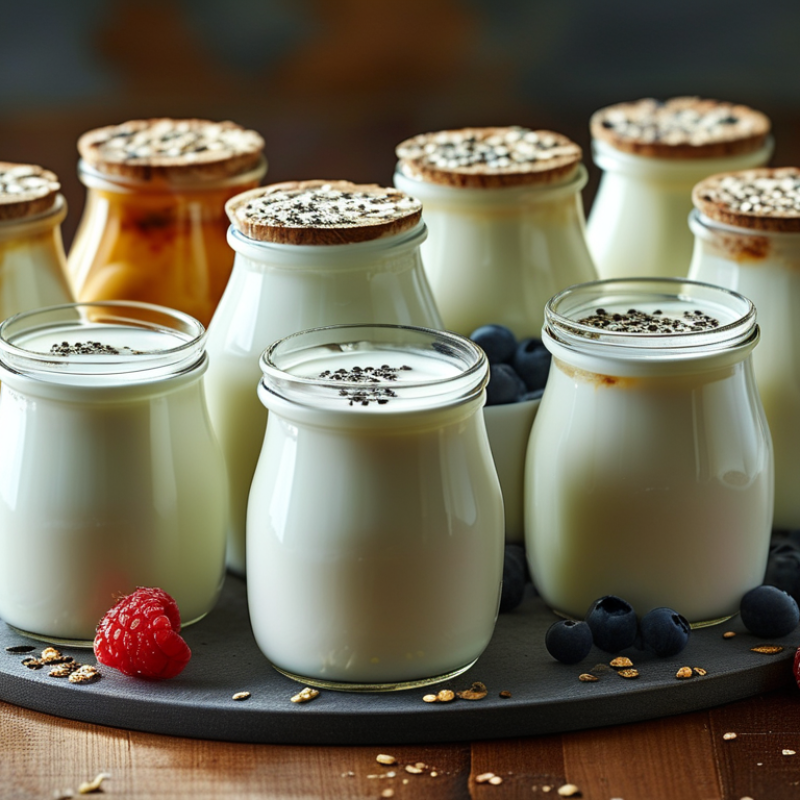
Yogurt fermentation time is the period between adding a live culture and reaching the desired acidity, thickness, and flavor. It is not simply a number on a clock. Temperature, milk composition, culture activity, and container size can change the result. In a warm kitchen, yogurt may set sooner than expected. A cool room can slow it noticeably.
I measure time from inoculation, when the culture is mixed into the prepared milk. I also check texture and acidity rather than relying on hours alone. A calibrated pH meter gives a more reliable reading than taste, especially when consistent batches matter. Many yogurt makers look for a pH near 4.6, but equipment and recipes differ. Clean tools and controlled heating remain important for dependable results.
I once judged fermentation only by firmness. That was a mistake. Some yogurt thickens early but still tastes mild, while another batch remains soft and develops sharper acidity later. A small sample, a clean spoon, and recorded temperature can reveal this difference. Fermentation may take four to twelve hours, depending on the culture and conditions. Even then, the endpoint is personal. I prefer a gentle tang and spoonable texture, but this preference can make my timing look “wrong” to someone seeking a firmer, sharper yogurt.
Starter culture type strongly influences yogurt fermentation time. Thermophilic cultures usually work best at warmer temperatures, around 42–45°C, and may set yogurt within four to eight hours. Mesophilic cultures prefer cooler conditions and often need longer. Always follow the culture’s instructions, because temperature ranges can vary. I have found that an active, recently prepared starter gives a cleaner set than an old refrigerated sample. Milk temperature, protein content, and container size also matter. A deep jar may ferment differently from a shallow one.
Starter quantity affects speed, but more is not always better. A moderate amount gives bacteria enough cells to multiply without creating excessive acidity too quickly. Too little starter can delay setting, while too much may produce a sharp taste and weak texture. For reliable results, measure the starter carefully instead of using an approximate spoonful. Clean equipment, consistent heat, milk freshness, and incubation time complete the seven major factors. The culture needs suitable conditions, not just extra quantity.
Temperature is the strongest control over yogurt fermentation. Most yogurt cultures work efficiently around 40–45°C. At this range, bacteria convert lactose into lactic acid at a steady pace. Cooler milk slows the process. Much hotter milk can weaken or kill the culture. I once trusted a warm kitchen and skipped temperature checks. The yogurt stayed thin for hours. A clean thermometer would have prevented that mistake.
Incubation conditions matter just as much. Keep the container covered, still, and away from drafts. Even small temperature drops can extend fermentation time. A stable water bath often works better than an oven with changing heat. Fermentation may take four to ten hours, depending on starter strength, milk solids, and the amount of culture added. More starter does not always mean faster results. An excessive amount can create sharp acidity and a rough texture.
Watch the texture and acidity, not only the clock. When the yogurt holds a soft set and reaches roughly pH 4.5–4.6, cooling can slow bacterial activity. Fresh milk usually ferments more predictably than milk with unusual additives or low solids. Container size also changes the result. A shallow container loses heat quickly, while a well-insulated vessel stays warmer. My timing notes still vary by season, so I record milk temperature, room temperature, and setting time for each batch.
7 Best Factors That Affect Yogurt Fermentation Time?
Milk composition strongly influences yogurt fermentation time. Milk with more protein usually forms a firmer gel and supports faster acid development. Higher milk solids can also reduce watery separation. Fat affects texture more than speed, although very low-fat milk may produce a thinner curd. Fresh milk is preferable.
Heat treatment matters greatly. Heating milk to about 85°C for several minutes changes whey proteins and improves the final structure. This step can make the yogurt thicker and more stable. Overheating, however, may create cooked flavors. I sometimes focus too much on temperature and overlook heating duration.
Starter activity, inoculation temperature, incubation temperature, sugar content, and cleanliness also affect timing. Active cultures often ferment milk within four to eight hours at a suitable temperature. Cold milk delays their growth. Excess sugar can slow fermentation by creating osmotic stress. Contamination may produce unusual odors or inconsistent acidity. Small details matter.
A practical test uses the same milk volume, heating schedule, and culture amount each time. Record the starting temperature, room temperature, and time when the curd becomes firm. A clean thermometer helps. I have found that visual firmness can be misleading, especially with low-fat milk. The yogurt may look ready while its acidity remains uneven. Slight variation is normal, but repeated delays deserve investigation.
How milk composition and heat treatment influence the time needed to reach approximately pH 4.6.
How to read the chart: The values show representative fermentation times under common yogurt-processing conditions. Standard yogurt fermentation usually occurs at approximately 42–45°C and continues until the product reaches about pH 4.6.
Representative dairy-processing ranges; actual results vary with culture activity, milk quality, solids content, equipment, and temperature control.
Yogurt fermentation time depends on seven practical factors: acidity, milk freshness, mixing, temperature, starter strength, milk composition, and batch size. Acidity is the clearest signal. Active cultures create lactic acid, lowering the pH and thickening the milk. Most yogurt reaches a balanced stage near pH 4.5, though taste preferences differ. Warmer conditions usually speed fermentation, but excessive heat can weaken the cultures and produce a sharp flavor.
Fresh milk generally gives cleaner results because unwanted microbes have had less time to multiply. Starter freshness matters too. A weak or old starter may need several extra hours. Gentle mixing spreads the cultures evenly, while aggressive stirring introduces bubbles and can damage the developing curd. This detail is easy to overlook. Milk with more protein often sets more firmly, and a larger container may ferment more slowly at its center. In practice, timing is never perfectly fixed. A small temperature change can shift the final stage noticeably.
Tips: Use a clean thermometer and record the starting temperature. Check firmness without repeatedly opening the container. Look for a softly set surface and a clean, mildly tangy aroma. If the yogurt tastes harsh, fermentation probably continued too long. I would also compare batches instead of trusting the clock alone; personal judgment can be wrong. Cool the yogurt promptly once the desired acidity and texture appear.
| Factor | Typical Working Range | How It Affects Fermentation Time | Practical Effect on the Final Stage | Best Control Method |
|---|---|---|---|---|
| 1. Fermentation Temperature | Approximately 40–45°C (104–113°F) for common thermophilic yogurt cultures | Higher temperatures within the suitable range usually accelerate lactose conversion and acid production. Excessive heat can weaken or kill the starter culture. | A stable temperature near 42–43°C commonly supports a predictable fermentation of about 4–8 hours, depending on the other conditions. | Use a calibrated thermometer and avoid large temperature swings during incubation. |
| 2. Starter Culture Activity and Amount | A fresh, active culture is commonly added at about 1–3% of the milk volume, according to the culture instructions | A viable starter provides more active lactic-acid-producing bacteria. Too little or an old culture can lengthen the lag phase and slow acidification. | Fresh, properly stored culture generally reaches the target acidity more consistently than culture that has been repeatedly warmed or stored too long. | Store the culture as directed, measure the inoculation amount accurately, and avoid using a culture with uncertain storage history. |
| 3. Milk Freshness and Quality | Use pasteurized milk that is within its storage life and has been kept at approximately 0–4°C (32–39°F) | Fresh milk provides a more predictable lactose supply and lower levels of competing microorganisms. Spoiled or poorly stored milk may ferment irregularly or develop unwanted flavors. | Fresh, clean-tasting milk usually produces a more uniform set, aroma, and acidity profile. Fermentation time may become unpredictable when milk quality is poor. | Check the use-by date, refrigeration history, smell, and appearance. Do not use milk with signs of spoilage. |
| 4. Acidity and Target pH | A common finished-yogurt target is approximately pH 4.4–4.6 | As bacteria convert lactose into lactic acid, pH falls. The lower pH causes milk proteins to form the yogurt gel, but fermentation continues if the product remains warm. | Stopping near pH 4.5 generally balances tartness, gel formation, and stability. Continuing well below this point can produce excessive sourness and whey separation. | Use a clean, calibrated pH meter when precise control is required; otherwise, evaluate firmness and flavor together. |
| 5. Milk Solids and Protein Content | Typical cow’s milk contains about 8–9% non-fat milk solids; increasing total solids improves body and water retention | More protein and milk solids can strengthen the gel network, but high solids or added sugars may alter heat transfer and bacterial activity. | Standardized milk often gives a thicker texture at a similar endpoint pH. Very concentrated mixtures may require additional time to reach a uniform set. | Keep the recipe consistent. If using milk powder or other solids, dissolve them completely before inoculation. |
| 6. Mixing and Inoculation Uniformity | Mix gently but thoroughly after cooling the heated milk to the culture’s recommended inoculation temperature | Insufficient mixing creates areas with too little starter, while vigorous mixing can introduce air and disturb the developing gel. | Uniform mixing helps the entire batch reach a similar acidity and firmness at approximately the same time, reducing weak or over-acidified pockets. | Stir slowly until evenly dispersed, then stop mixing and leave the containers undisturbed during incubation. |
| 7. Preheating and Heat Treatment | Many yogurt processes heat milk to about 85–90°C (185–194°F) for several minutes, then cool it before adding culture | Adequate heating denatures whey proteins and improves their interaction with casein, supporting a stronger gel. Overheating can cause cooked flavors and may complicate temperature control. | Proper heat treatment often improves firmness and reduces early whey release, making the endpoint easier to identify. | Heat consistently, cool to the starter’s recommended inoculation temperature, and never add culture to milk that is still too hot. |
Typical endpoint: Fermentation is generally stopped when the yogurt has a cohesive gel and reaches approximately pH 4.4–4.6. Refrigeration slows further acid development but does not stop it immediately.
: Warm-loving cultures often ferment at 42–45°C. They may set yogurt within four to eight hours.
No. Too little may delay setting. Too much can create sharp acidity and a weak texture.
Active cultures usually provide a cleaner, more reliable set. An old refrigerated sample may ferment slowly.
Higher protein and milk solids can support firmer yogurt. Very low-fat milk may produce a thinner curd.
Heating milk near 85°C for several minutes improves protein structure. It can create thicker, more stable yogurt.
Yes. Excessive heat or time may cause cooked flavors. Temperature alone is not enough; duration matters too.
Too much sugar can slow bacterial growth. The yogurt may take longer to become firm.
Adding starter to cold milk can slow growth. Uneven heating can also create different textures in one container.
Check for a gently wobbly center and a clean smell. Firmness alone can mislead, especially with low-fat milk.
Use the same milk volume, heating schedule, culture amount, and incubation temperature. Record the setting time. Some variation remains normal.
Yogurt fermentation time is the period required for beneficial bacteria to convert lactose into lactic acid, lowering the milk’s pH until the desired texture, flavor, and acidity are reached. It is commonly measured by tracking incubation time, temperature, pH, titratable acidity, and the firmness of the yogurt. The type, activity, and quantity of starter culture strongly influence fermentation speed, while temperature and incubation conditions determine how efficiently the bacteria grow. Stable, well-controlled heat usually supports more consistent results.
Milk composition also plays an important role. Protein, fat, lactose, mineral content, and previous heat treatment can affect bacterial activity and gel formation. Fresh milk with suitable quality generally ferments more predictably than milk with poor freshness or inconsistent composition. Acidity, mixing, and the timing of cooling help determine when fermentation should stop and how smooth the final product becomes. Understanding what affects yogurt fermentation time in factories allows producers to adjust each stage carefully, improve consistency, and achieve the intended quality efficiently.

CarniTe Machinery