How to Maintain Hygiene in Industrial Food Processing?

Time:2026-10-13 Author:Henry
0%

How to maintain hygiene in industrial food processing is not a cosmetic question. It is a disciplined system for controlling biological, chemical, and physical hazards. The World Health Organization estimates that contaminated food causes 600 million illnesses and 420,000 deaths worldwide each year. These figures show why sanitation failures can become public-health emergencies, not merely production problems. The WHO Food Safety Fact Sheet and the FDA’s New Era of Smarter Food Safety Blueprint both emphasize prevention, traceability, and shared responsibility.

Frank Yiannas, former FDA Deputy Commissioner for Food Policy and Response, stated, “Food safety is not a competitive advantage; it is a basic business requirement.” His point is practical. Clean floors are not enough. Workers need verified handwashing, separated hygienic zones, controlled personnel movement, and documented cleaning procedures. Production teams should inspect conveyor joints, drains, gaskets, and difficult corners where residue can remain. ATP testing and environmental swabbing can reveal weaknesses that visual checks miss.

Small details matter.

A reliable program also validates sanitizer concentration, water temperature, contact time, allergen changeovers, and cold-chain records. Supervisors should review trends instead of filing forms mechanically. FDA guidance supports preventive controls, but paperwork cannot replace competence on the factory floor. Even strong systems fail when training becomes repetitive or maintenance is delayed. That uncomfortable reality deserves attention. Hygiene requires continuous verification, honest reporting, and corrective action. The goal is not perfection. It is reducing risk before contaminated food leaves the facility.
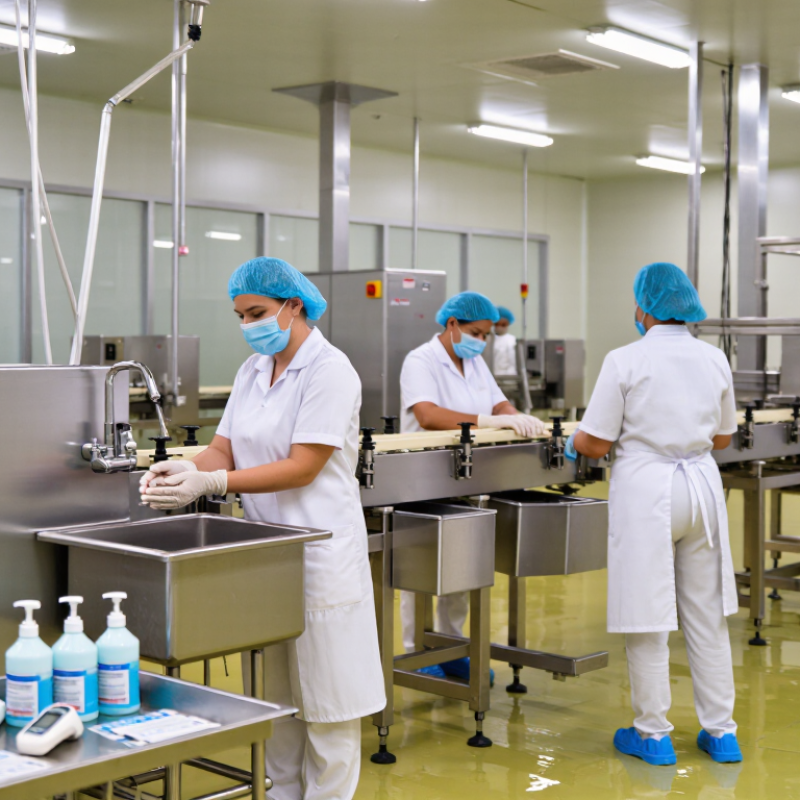
How to Maintain Hygiene in Industrial Food Processing?

Food Hygiene Standards and Risk Control in Industrial Processing

Industrial food hygiene begins with controlling risks, not simply cleaning visible dirt. The World Health Organization estimates that contaminated food causes 600 million illnesses and 420,000 deaths annually worldwide (WHO, 2022). These figures show why every processing step needs documented controls. Raw materials should enter through a monitored zone, while cooked products require separated tools, airflow, and staff movement. A clean-looking floor proves little.

HACCP-based systems identify biological, chemical, and physical hazards before production starts. Operators should record cooking temperatures, cooling times, sanitizer concentration, and allergen changeovers. A probe should be checked against a reference thermometer, not trusted automatically. The United States Centers for Disease Control and Prevention estimates that foodborne illness causes 48 million illnesses, 128,000 hospitalizations, and 3,000 deaths yearly in the country (CDC, 2011). Those numbers support strict verification, especially for ready-to-eat foods.

Small details matter. A cracked gasket can shelter bacteria. Wet gloves can spread contamination across a packing line. Environmental swabs, trend analysis, and rapid corrective action help reveal these hidden failures. Codex HACCP guidance also emphasizes verification and traceability, allowing teams to isolate affected batches quickly. Yet records are sometimes completed after production, which weakens their value. Hygiene depends on honest observations, practical training, and supervisors who challenge unsafe habits rather than accepting perfect paperwork.

Personal Hygiene and Training for Food Processing Staff

Personal hygiene is a daily control, not a poster on the wall. In my experience, workers follow procedures better when training connects with real production tasks. Staff should wash their hands before entering processing areas, after breaks, and after touching waste containers. Clean hands matter. Nails must stay short, and cuts need secure, waterproof coverings. Hair restraints and clean protective clothing help prevent contamination during busy shifts.

Training should demonstrate each action, not merely describe it. A supervisor can show the correct handwashing sequence beside the facility’s designated sink. Workers can then practise while the trainer checks timing, coverage, and drying. The session should also explain illness reporting without blame. Employees need clear instructions to report vomiting, diarrhea, fever, or infected wounds before handling exposed food. Keep nails short. Small habits spread.

Reliable programs use attendance records, short quizzes, observation checklists, and refresher sessions. Supervisors should review these records and compare them with inspection findings or recurring hygiene errors. A checklist can miss rushed handwashing, especially during production pressure. That weakness deserves attention. Role-play can prepare staff for practical moments, such as replacing a glove after touching a phone or adjusting a face covering. Training should reflect applicable food safety requirements and the facility’s documented procedures. When expectations change, managers must update instructions and explain why. Someone may understand the rule yet still forget it at 5 a.m. Constant coaching remains necessary.

How to Maintain Hygiene in Industrial Food Processing? - Personal Hygiene and Training for Food Processing Staff

Hygiene Dimension Required or Recommended Standard Training and Monitoring Data Corrective Action Reference Basis
Handwashing Wash hands with soap and running water for at least 20 seconds before starting work, after using the toilet, after handling waste or raw materials, and whenever contamination may have occurred. Demonstration during induction; observation at least once per shift in high-risk areas. Stop the task, wash hands correctly, replace contaminated gloves, and sanitize affected contact surfaces when necessary. U.S. Centers for Disease Control and Prevention; Codex General Principles of Food Hygiene, CXC 1-1969.
Handwashing Facilities Provide conveniently located, accessible handwashing stations with potable water, soap, hygienic drying facilities, and waste containers. The FDA Food Code model specifies water at not less than 38°C (100°F) at handwashing facilities. Check before each production shift and during sanitation inspections. Restore water, soap, towels, or drying equipment immediately; restrict production in the affected area if handwashing cannot be performed safely. FDA Food Code 2022, Sections 5-202.12, 6-301 and 6- wash-hand provisions.
Glove Use Use clean, intact, single-use gloves when required by the process. Gloves do not replace handwashing and must be changed when torn, soiled, or when changing tasks. Train before authorization for food-contact work; verify glove changes during line checks. Discard damaged or contaminated gloves, wash hands, and put on a new pair. FDA Food Code 2022, Section 3-301.11; Codex General Principles of Food Hygiene.
Illness Reporting Food handlers must report vomiting, diarrhea, jaundice, sore throat with fever, infected wounds, and diagnosed foodborne illnesses according to the applicable law and site procedure. Health declaration at onboarding and refresher briefing at least annually; report symptoms immediately. Remove the employee from food handling or exclude them according to the applicable regulatory requirement and documented return-to-work criteria. FDA Food Code 2022, Subpart 2-201; Codex General Principles of Food Hygiene.
Cuts and Wounds Cover cuts and wounds with a secure, waterproof dressing. A glove or other suitable barrier should be used when the wound is on the hand or may contact food or food-contact surfaces. Check during pre-operational inspections and whenever an injury is reported. Re-dress the wound, replace contaminated protective clothing, and assess potentially affected product. Codex General Principles of Food Hygiene, CXC 1-1969; FDA Food Code 2022.
Hair and Facial Hair Wear effective hair restraints, such as hairnets or caps, to prevent hair from contacting exposed food and food-contact surfaces. Use facial-hair restraints where needed. Verify compliance at entry to processing areas and during routine line inspections. Leave the processing area or correct the restraint before handling food again; assess exposed product if contamination is possible. FDA Food Code 2022, Section 2-402.11; Codex General Principles of Food Hygiene.
Jewelry and Personal Items Remove exposed jewelry and personal items that could fall into food or interfere with cleaning. Where permitted by local rules, a plain band may be treated differently from other jewelry. Check at gowning and entry points for every shift. Remove the item before entering the processing zone; hold or inspect affected product if an item is lost. FDA Food Code 2022, Section 2-303.11; site hazard analysis.
Nails and Cosmetics Keep fingernails trimmed and clean. Artificial nails and nail polish should not be worn when working with exposed food unless an intact glove or stricter local control provides an effective barrier. Inspect during pre-shift hygiene checks and refresher training. Correct the condition before food handling or assign the employee to a controlled non-food-contact task. FDA Food Code 2022, Section 2-302.11.
Protective Clothing Wear clean, suitable protective clothing and footwear. Keep protective garments inside designated processing areas and separate clean garments from soiled garments. Issue and inspect garments each shift; launder according to the validated sanitation program. Replace soiled or damaged garments and prevent contaminated clothing from entering high-care areas. Codex General Principles of Food Hygiene, CXC 1-1969.
Personal Behaviors Prohibit eating, drinking, smoking, chewing gum, spitting, coughing over exposed food, and handling the face or hair in food-handling areas. Explain during induction; reinforce through supervisor observations and monthly hygiene reviews. Stop the behavior, wash hands if needed, replace contaminated gloves or clothing, and document repeated violations. Codex General Principles of Food Hygiene, CXC 1-1969; FDA Food Code 2022.
Training Competence Provide food hygiene training appropriate to each employee’s duties, including personal hygiene, allergen controls, cross-contamination prevention, cleaning, and illness reporting. Before independent work; refresher training at least annually and whenever procedures, equipment, or risks change. Retrain and reassess the employee before returning them to unsupervised food-handling duties. Codex General Principles of Food Hygiene, CXC 1-1969; local regulatory requirements.
Training Records Maintain documented records of employee name, training topic, date, trainer, assessment result, and required follow-up. Review records monthly and during internal audits; retain them according to legal and site requirements. Complete missing records, verify competency, and investigate gaps that may affect food safety. Codex General Principles of Food Hygiene, CXC 1-1969; documented food safety management practices.
Supervisor Verification Supervisors should verify that personal hygiene rules are followed through documented pre-operational checks, observation, and corrective-action follow-up. Pre-operational check every shift; formal trend review at least monthly. Record the deviation, identify the cause, implement corrective action, and verify effectiveness. Codex General Principles of Food Hygiene, CXC 1-1969; HACCP-based verification principles.

Sanitation of Equipment, Facilities, and Production Areas

How to Maintain Hygiene in Industrial Food Processing?

Sanitation of Equipment, Facilities, and Production Areas

In industrial food processing, hygiene begins where food touches steel, plastic, air, and hands. Equipment sanitation should follow a written, validated procedure, not personal habit. Operators remove food soil before applying detergent. They then rinse, clean, rinse, sanitize, and verify each stage. Temperature, concentration, contact time, and flow pressure need recorded checks. A hidden gasket can hold moisture and spoilage organisms. Small gaps matter. I have seen a clean-looking conveyor fail inspection because residue sat beneath a guard. Visual checks alone are weak. Swab tests and rapid hygiene monitoring provide stronger evidence, though they cannot replace microbiological review.

Facilities need controlled movement. Separate raw and ready-to-eat areas with barriers, dedicated tools, and clear traffic routes. Floors should drain quickly, while walls and ceilings resist condensation and flaking. Standing water is a warning. Production areas require scheduled cleaning during shifts, not only after shutdown. Workers should wash hands at entry points and change protective clothing when leaving higher-risk zones. Waste containers must remain closed and move through planned routes. Airflow deserves attention; poorly directed air can carry dust toward exposed food. This is often overlooked.

Sanitation records should identify the surface, method, chemical strength, time, responsible worker, and verification result. Supervisors must review trends rather than filing forms. Repeated failures may indicate damaged equipment, rushed cleaning, or an unrealistic schedule. No plan is perfect. A missed corner should trigger correction, retraining, and a review of the design. Maintenance teams should release equipment only after sanitation and inspection are complete. Regular audits, environmental sampling, and honest reporting help keep hygiene practical and dependable.

Safe Handling, Storage, and Transport of Food Products

In industrial food processing, hygiene begins with controlled movement. Workers should wash hands, wear clean protective clothing, and separate raw from ready-to-eat products. Tools need assigned locations and frequent cleaning. Small details matter. A cracked container, wet floor, or unmarked ingredient can quickly create confusion. Supervisors should verify these controls during every shift, not only during formal inspections.

Safe handling depends on time and temperature. Staff should record receiving temperatures, product condition, and lot information before unloading. Chilled foods require continuous cold control, while frozen goods must remain solid. Storage rooms should stay clean, dry, and organized, with food raised from the floor. Use the oldest suitable stock first, but never ignore expiration dates or quality concerns. Store raw materials below cooked products to reduce drip contamination. Covered containers protect food from dust and accidental contact.

Transport requires the same discipline. Clean vehicles, sealed packages, and calibrated temperature devices protect food between facilities. Loading should be quick, with doors closed whenever possible. A damaged seal needs investigation, not a quiet replacement. No system is flawless. During busy periods, shortcuts may appear practical, yet they can hide serious risks. Review cleaning records, temperature logs, and near misses with the team. I would also question routines that have “always worked”; conditions change, and yesterday’s safe method may need adjustment today.

Monitoring, Documentation, and Continuous Hygiene Improvement

How to Maintain Hygiene in Industrial Food Processing?

Effective hygiene depends on visible routines and reliable evidence. Production teams should monitor handwashing, equipment surfaces, water quality, and temperature controls during every shift. Supervisors can use ATP testing, visual inspections, and targeted microbiological sampling to identify hidden contamination risks. A clean-looking conveyor is not always hygienically safe. Small residues often collect beneath seals, joints, and moving parts.

Documentation turns observations into useful decisions. Each record should include the date, area, inspector, finding, corrective action, and verification result. Our early logs were too vague, making repeated problems difficult to trace.

Clear records reveal patterns, such as recurring residue near a filler after night sanitation. Managers should review these patterns weekly and adjust cleaning methods, training, or equipment design.

Improvement is rarely perfect. A revised procedure may still fail when staffing changes or production pressure increases. Follow-up checks must confirm that improvements work in real conditions.

Tips:

Use simple checklists at critical control points. Photograph unusual residue when permitted by site policy. Train employees with real equipment, not only classroom slides. Set deadlines for corrective actions. Recheck high-risk areas after cleaning and before production starts. Encourage workers to report weak practices without fear. Honest feedback is valuable. Rotate inspections occasionally, because familiar eyes can miss familiar faults. Keep records readable, dated, and linked to specific equipment.

FAQS

How should workers handle food safely during production?

Workers should wash their hands and wear clean protective clothing. Keep raw and ready-to-eat foods separate. Assign tools to specific areas and clean them frequently. A cracked container or wet floor can create serious confusion. Small details matter.

What should staff check when receiving food products?

Record the receiving temperature, product condition, and lot information before unloading. Chilled foods need continuous cold control. Frozen goods should remain solid. Do not accept products with unclear damage or quality concerns. Not always.

How should food be organized inside storage rooms?

Keep storage rooms clean, dry, and orderly. Raise food above the floor. Place raw materials below cooked products to reduce drip contamination. Use the oldest suitable stock first, but check expiration dates carefully. Cover containers to block dust and accidental contact.

What practices support safe food transport?

Use clean vehicles, sealed packages, and calibrated temperature devices. Load products quickly and keep vehicle doors closed whenever possible. Investigate a damaged seal instead of quietly replacing it. Check temperatures between facilities when required by the process. Small gaps matter.

How can hygiene teams detect hidden contamination?

Use visual inspections, ATP testing, and targeted microbiological sampling. Inspect beneath seals, joints, and moving parts. A conveyor may look clean while holding residue underneath. Check equipment surfaces, water quality, handwashing, and temperature controls every shift. Clean-looking is not always safe.

What information should hygiene records contain?

Each record should show the date, area, inspector, finding, corrective action, and verification result. Keep records readable and linked to specific equipment. Vague notes make repeated problems difficult to trace. A clear entry might identify residue near a filler after night sanitation. Details help.

How should managers improve weak hygiene procedures?

Managers should review cleaning records, temperature logs, and near misses weekly. Look for repeated problems and adjust training, cleaning methods, or equipment design. Set deadlines for corrective actions. Recheck high-risk areas after cleaning and before production starts. Improvement is rarely perfect.

How can teams reduce hygiene shortcuts during busy periods?

Use simple checklists at critical control points. Train employees with real equipment, not only classroom slides. Encourage workers to report weak practices without fear. Rotate inspections because familiar eyes may miss familiar faults. I would question routines that have “always worked.”

Conclusion

Maintaining hygiene in industrial food processing requires a structured system that controls risks at every stage of production. The process begins with clear food hygiene standards, hazard identification, and preventive controls designed to reduce contamination. All employees should follow strict personal hygiene practices, including proper handwashing, suitable protective clothing, health reporting, and regular training on safe food handling procedures.

Effective sanitation also depends on the thorough cleaning and disinfection of equipment, facilities, tools, and production areas according to defined schedules. Food products must be handled, stored, and transported under suitable temperature and environmental conditions to preserve quality and safety. Continuous monitoring, accurate documentation, routine inspections, and corrective actions help verify that hygiene procedures are working effectively. By reviewing records, responding quickly to problems, and regularly improving processes, organizations can build a reliable culture of safety and consistently maintain hygiene in industrial food processing.

Henry

Henry

Henry is a dedicated marketing professional with a profound expertise in the company's offerings. With years of experience in the industry, he possesses an impressive understanding of the market dynamics and consumer behaviors that drive success. Henry is committed to sharing his insights through......