How to Optimize Beverage Production Line Layout for Efficiency?

Time:2026-05-22 Author:Henry
0%

Designing an efficient beverage production line layout is crucial for operational success. A well-structured layout can significantly reduce waste and increase productivity. When considering how to design a beverage production line layout, it's essential to account for various factors. These include equipment placement, workflow patterns, and worker safety.

An optimized layout not only enhances workflow but also improves communication among team members. For instance, placing machines in close proximity can facilitate faster operations. However, some might overlook the importance of flexibility. As product lines change, layouts must adapt. This adaptability is often neglected in many facilities.

Balancing efficiency and safety in the layout design can be challenging. A tight layout may boost speed, but it can also create hazards. Identifying these trade-offs is essential for sustainable production. Ultimately, understanding how to design a beverage production line layout helps streamline processes and build a reliable production environment.
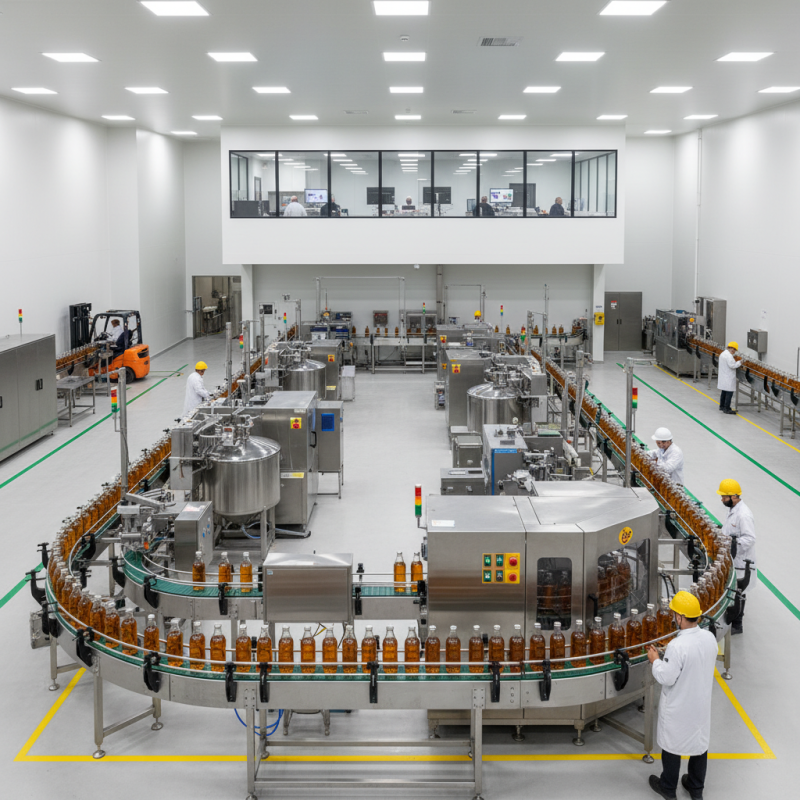
How to Optimize Beverage Production Line Layout for Efficiency?

Key Principles of Efficient Beverage Production Line Design

Optimizing the layout of a beverage production line is crucial for achieving high efficiency. One key principle is to minimize the distance between processes. Data shows that reducing travel distance can decrease production time by up to 30%. Shorter distances also lower energy consumption, aligning with sustainability goals.

Proper equipment placement is another critical factor. Ensure that machines are arranged to support the flow of materials. This layout minimizes bottlenecks and enhances overall productivity. A well-structured design can lead to a 20% increase in output, according to industry reports.

It is essential to regularly review and adapt the layout. Changes in product lines or market demands may necessitate adjustments. Continuous improvement and reflection on the layout's efficiency can help identify areas for enhancement. Engaging employees in this process can provide valuable insights. Their firsthand experience often reveals unanticipated issues or solutions.

Assessing Space and Flow Requirements in Beverage Production

In beverage production, an efficient layout is crucial for optimizing processes and minimizing waste. Assessing space requirements begins with understanding the flow of materials. Each step in production should be as linear as possible, allowing for smooth transitions from one phase to another. Bottlenecks can hinder efficiency, so mapping out the production stages visually can help identify potential issues.

Tips: Consider using modular design for flexibility. This allows quick adjustments in your layout based on changing production needs. Ensure that essential equipment is easily accessible to operators to reduce downtime.

Flow is equally important. An ergonomic design helps workers minimize unnecessary movements. Evaluate pathways and positions of machinery regularly. Small changes can lead to big improvements in speed and safety. Space between stations should accommodate both efficiency and comfort, which sometimes gets overlooked.

While aiming for a streamlined process, do not ignore the importance of maintenance access. Equipment that is hard to reach can lead to delays during repairs. Regular evaluations of your space and flow requirements are essential. Remember, an optimized layout is a continuous process, not a one-time fix.

This chart illustrates the time taken for different stages in a beverage production line, helping to identify areas for optimization. The stages include Raw Material Handling, Mixing, Filling, Packaging, and Quality Control.

Integrating Automation and Technology in Production Layout

Integrating automation and technology in beverage production layout can significantly enhance efficiency. By implementing automated systems, manufacturers can streamline processes and reduce bottlenecks. For instance, employing robotic arms for packaging can expedite the process while minimizing human error. Real-time monitoring systems can provide insights into production flow, enabling quick adjustments.

It's essential to consider the layout design in relation to automation. A well-planned flow can prevent unnecessary movement and improve safety. However, integrating technology isn't always straightforward. There can be challenges in training personnel and adapting existing workflows. Businesses should be prepared to address these issues.

In addition, automated machinery requires regular maintenance and updates. Neglecting this can lead to downtime and reduced productivity. Balancing automation with human oversight is crucial. While machines can handle repetitive tasks, skilled workers are still needed for complex operations. Striking this balance is key to a successful production line.

Implementing Lean Manufacturing Techniques for Optimization

Optimizing a beverage production line involves rethinking the layout to enhance efficiency. Implementing lean manufacturing techniques can play a crucial role in this optimization process. These techniques target waste reduction and value creation, ensuring that every part of the production contributes meaningfully.

One effective tip is to analyze the workflow. Identify bottlenecks in the current layout. Perhaps certain machines are too far apart, causing delays. Consider reorganizing equipment to improve product flow. This can also reduce unnecessary movement for workers, enhancing overall efficiency.

Another approach is to involve the team. Seek their input on challenges and potential improvements. Employees often have insights about daily operations that management may overlook. Encouraging open communication helps create a more efficient work environment.

Also, regularly review production data. Are there areas where production slows down? Tracking this can help you spot trends over time. A proactive approach to these metrics helps refine processes continuously. Ultimately, the goal is to create a production line where every step adds value while minimizing waste.

Continuous Improvement Strategies for Beverage Line Efficiency

Optimizing the layout of a beverage production line hinges on continuous improvement strategies. Start by evaluating the current workflow. Are there any bottlenecks? Watching the line in action can reveal inefficiencies. For example, moving from one station to another should be seamless. If workers are crossing paths frequently, consider adjusting equipment placement.

Data collection is critical. Analyze production metrics regularly to identify trends and areas needing improvement. Team feedback plays a vital role, too. Employees often have insights into daily challenges that may not be apparent at a managerial level. Scheduling regular brainstorming sessions can foster an environment of collaboration and innovation.

Implementing small changes can yield significant results. Perhaps rearranging storage locations could reduce retrieval times. Test these modifications and track the outcomes. It's essential to remain adaptable and accept that some changes may not work as expected. Continuous improvement isn't a one-time task; it's an ongoing journey toward efficiency. Embrace feedback, reevaluate strategies, and recalibrate as necessary.

How to Optimize Beverage Production Line Layout for Efficiency?

Dimension Current State Optimization Strategy Projected Efficiency Increase
Line Speed 120 bottles/min Upgrade conveyor system 15%
Downtime 2 hours/day Implement predictive maintenance 30%
Waste Reduction 8% waste Optimize raw material feeding 25%
Training Infrequent Regular training sessions 20%
Inventory Turnover 4 turns/year Enhance inventory management system 50%

FAQS

: Why is layout optimization important in beverage production?

: Optimizing layout minimizes travel distance, reducing production time by up to 30%. It also lowers energy consumption.

How can proper equipment placement improve productivity?

Strategic equipment arrangement supports material flow, minimizing bottlenecks and potentially increasing output by 20%.

How often should the layout be reviewed?

Regular evaluations are essential. Changes in products or market demands require layout adjustments for ongoing efficiency.

What role does employee feedback play in layout design?

Engaging employees helps identify unforeseen issues and provides valuable insights for improvements in layout and processes.

How can space requirements be assessed effectively?

Understand material flow clearly. A visual map of production stages helps identify bottlenecks that hinder efficiency.

What design strategy allows for flexibility in beverage production?

Modular design facilitates quick layout adjustments based on fluctuating production needs, enhancing overall efficiency.

How can unnecessary movements affect production?

Minimizing unnecessary movement for workers speed up the process. Ergonomic design is key for efficiency and worker comfort.

Why is maintenance access an important consideration?

Hard-to-reach equipment can delay repairs, impacting overall production efficiency and flow. Regular checks on access are vital.

How can team involvement improve production processes?

Team input provides insights often overlooked by management. Open communication fosters a more efficient working environment.

How does tracking production data contribute to efficiency?

Regularly reviewing production data helps identify slow areas, enabling proactive refinements and enhancing overall workflow efficiency.

Conclusion

Optimizing a beverage production line layout is essential for enhancing efficiency and productivity. To design a beverage production line layout effectively, key principles include analyzing space and flow requirements to ensure a streamlined process. This involves assessing the movement of materials and personnel to minimize bottlenecks. Additionally, integrating automation and technology can significantly improve operational efficiency, allowing for faster production cycles and reduced labor costs.

Implementing lean manufacturing techniques further contributes to optimization by eliminating waste and maximizing resource utilization. Continuous improvement strategies should be employed to monitor performance and adapt the production line layout as needed. This approach not only promotes efficiency but also supports sustainability in the beverage industry, ensuring that manufacturers remain competitive and responsive to market demands.

Henry

Henry

Henry is a dedicated marketing professional with a profound expertise in the company's offerings. With years of experience in the industry, he possesses an impressive understanding of the market dynamics and consumer behaviors that drive success. Henry is committed to sharing his insights through......