Oxidation is a significant challenge in fruit processing, affecting flavor, color, and nutritional value. Industry reports indicate that up to 30% of fruits can lose their quality due to oxidation. This highlights the urgent need for effective strategies. Experts emphasize that understanding how to prevent oxidation in fruit processing is critical for producers. Dr. Emily Johnson, a leading scientist in food preservation, states, "Employing the right techniques can maintain product integrity and extend shelf life."
Innovative methods are available to combat oxidation. These include using antioxidants, controlling temperature, and minimizing exposure to light and oxygen. However, many processors struggle to implement these solutions effectively. For instance, some may overlook the importance of immediate processing and proper packaging. As a result, fruits may still undergo degradation despite the best intentions.
It is essential for industry players to rethink their current practices. Integrating proven techniques with ongoing research can enhance fruit quality. Addressing oxidation not only preserves fruit but also meets consumer demands for freshness. Balancing cost and quality remains a challenge, yet it is a necessary focus for the future of fruit processing.
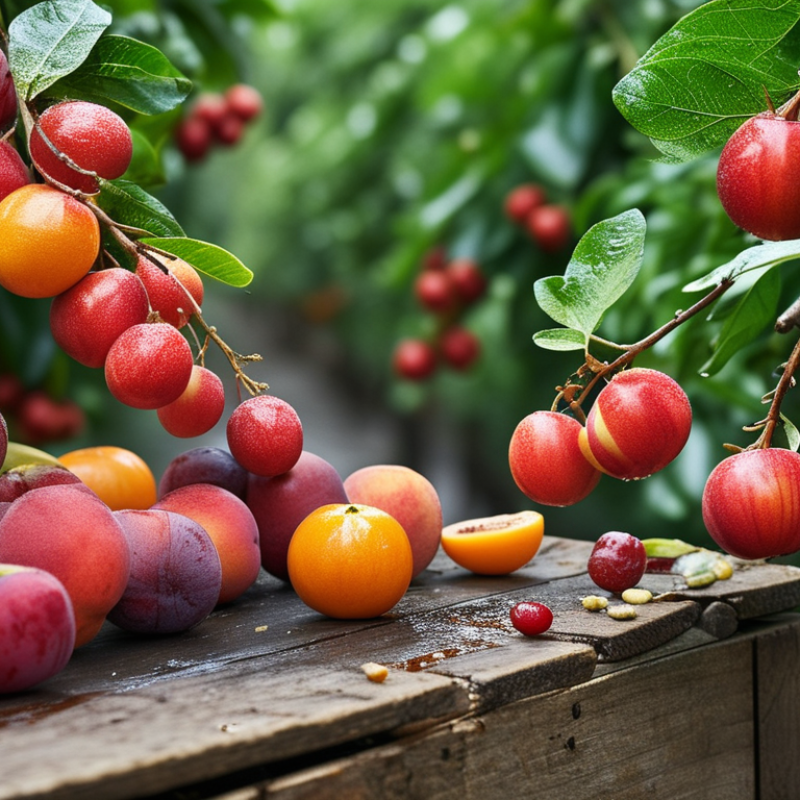
Oxidation in fruit processing is a major concern for preserving quality and extending shelf life. When fruits are cut or damaged, they react with oxygen. This leads to browning, loss of flavor, and nutrient degradation. According to a report by the Food Research Institute, oxidation can cause a loss of up to 30% of the fruit's original nutrients. Preventing this process is vital for both producers and consumers.
One effective method to minimize oxidation is to use ascorbic acid. This vitamin C derivative works by neutralizing oxygen in the fruit. Another strategy is controlled atmosphere packaging, which reduces oxygen levels around fruits. Research indicates that modified atmospheres can extend the shelf life of fruits by 50%.
Tip: Always store cut fruits in airtight containers. Limiting exposure to air is crucial to maintain freshness. Consider using lemon juice as a natural antioxidant. This can add flavor while combating oxidation.
Fruits have a short window to maintain their peak quality. Improper handling can lead to rapid degradation. Many processors overlook the importance of rapid cooling after processing. This simple step can slow down oxidative reactions. Being aware of these aspects can significantly improve fruit quality.
Oxidation is a major issue in fruit processing. It leads to browning and nutrient loss, negatively impacting quality. Understanding common causes can help mitigate these effects. Air exposure is one factor. When fruits are cut or peeled, oxygen interacts with polyphenol oxidase enzymes, leading to undesirable changes. According to a report by the Journal of Food Science, oxidation can reduce vitamin C content by up to 50% in some fruits.
Temperature also plays a critical role. High temperatures can accelerate oxidation. Additionally, factors like pH levels affect enzymatic activity in fruits. Research indicates that maintaining a pH below 3.5 can significantly slow down the browning process. Interestingly, some fruits are more susceptible than others, with bananas and apples being prime examples. Their natural enzyme levels facilitate quicker oxidation.
The packaging environment must be considered too. Exposure to light and varying humidity can promote oxidation. A comprehensive study showed that using modified atmosphere packaging can extend shelf life by reducing oxygen levels. Even small changes can make a significant difference in the overall freshness and nutritional profile of processed fruits. These elements underscore the need for careful monitoring and management in the fruit processing industry.
Preventing oxidation in fruit processing is crucial for maintaining quality. Chemical agents play a significant role in this process. As fruits are cut or exposed to air, they oxidize quickly. This leads to browning and loss of nutrients. Using appropriate chemical agents can slow down this reaction effectively.
One common agent is ascorbic acid, a vitamin C derivative. It helps maintain color and freshness. Another option is citric acid, often derived from citrus fruits. It lowers the pH, creating an environment less favorable for oxidation. These agents help preserve the natural taste and visual appeal of fruits. However, it is essential to ensure the dosage is correct. Using too much can lead to an unpalatable taste.
There are challenges with chemical prevention. Some consumers prefer natural methods and may have sensitivities to certain agents. Balancing effectiveness with consumer preferences is critical. Ongoing research is needed to find new solutions that align with health trends. Experimenting with combinations of chemical agents might yield better results. This approach requires careful monitoring to ensure both safety and quality in fruit processing.
Oxidation can significantly affect the quality of processed fruits. To mitigate this risk, one effective method is the use of physical techniques. For instance, blanching is popular in fruit processing. It involves briefly heating fruits in boiling water. This process can deactivate enzymes that lead to browning. However, excessive blanching may also soften the fruit. This balance is crucial for preserving texture.
Another approach is the use of vacuum packaging. By removing air, this technique reduces the oxygen that can cause oxidation. It not only preserves freshness but also maintains flavor. However, improper sealing can lead to spoilage. Attention to detail in packaging is key. Employing modified atmosphere packaging can further help by replacing oxygen with inert gases. This method is widely used in commercial settings.
Additionally, using controlled temperatures during storage is essential. Low temperatures slow down oxidation, extending shelf life. Yet, too low a temperature can damage some fruits. Each fruit species may require different handling. Continuous evaluation of these techniques is important for optimizing processes. The goal is to maintain quality without compromising flavor or texture.
| Method | Description | Effectiveness | Notes |
|---|---|---|---|
| Use of Antioxidants | Adding compounds such as ascorbic acid to inhibit oxidation. | High | Natural and synthetic options available. |
| Controlled Atmosphere Packaging | Reducing oxygen levels in packaging to slow oxidation. | High | Effective for long-term storage. |
| Refrigeration | Storing fruits at lower temperatures to slow down enzymatic activity. | Moderate | Benefits vary with fruit type. |
| Acidification | Adding acids like citric acid to lower pH and inhibit oxidation. | High | Commonly used in fruit salads. |
| Blanching | Quickly boiling fruits to inactivate enzymes before freezing. | Moderate | Effective for vegetables as well. |
| Vacuum Sealing | Removing air from packaging to minimize oxygen exposure. | High | Ideal for short-term storage. |
| Use of Sulfites | Applying sulfur dioxide to fruits to prevent browning. | High | Regulated due to allergenic potential. |
| Use of Natural Extracts | Employing extracts like green tea to reduce oxidation. | Moderate | Appealing for product labeling. |
| Storage in Air-tight Containers | Using containers that limit air exposure. | Moderate | Cost-effective for small-scale producers. |
Proper handling and storage of fruits is crucial to prevent oxidation. When fruits are harvested, they begin to oxidize quickly. This process can alter their color and flavor. To delay oxidation, keep fruits in cool, dry environments. Refrigeration slows down the enzymatic activity that leads to browning. However, not all fruits are suited for refrigeration. Bananas, for example, can become overly ripe and mushy when stored in cold temperatures.
Using acidulated water is another effective method. Soaking fruits like apples and pears in a mixture of water and lemon juice can minimize browning. The acid helps slow down oxidation. Additionally, storing fruits in airtight containers can reduce exposure to oxygen. This can be especially useful for sliced fruits. Monitoring humidity levels is important too. Excess moisture can lead to spoilage, while too little can dry out fruits.
Despite these techniques, not all fruits will retain their freshness. Factors such as fruit type and storage conditions play a role. Some fruits may still brown or lose flavor even with the best practices. Regular checks on stored fruits can help. It’s essential to recognize when they start to decline. Quality control and swift consumption are key in fruit processing.
: Oxidation occurs when fruits are cut or damaged, reacting with oxygen. This leads to browning and nutrient loss.
Oxidation can cause a loss of up to 30% of a fruit's original nutrients.
Ascorbic acid, a vitamin C derivative, neutralizes oxygen in fruits effectively.
This method reduces oxygen levels around fruits and can extend shelf life by 50%.
Always store cut fruits in airtight containers to limit exposure to air.
Yes, lemon juice acts as a natural antioxidant and adds flavor while combating oxidation.
Rapid cooling slows oxidative reactions, helping to maintain fruit quality.
Blanching briefly heats fruits to deactivate browning enzymes but must be done carefully to avoid softening.
Improper sealing during vacuum packaging can lead to spoilage, so attention to detail is necessary.
Controlled temperatures slow down oxidation, but too low can damage certain fruits.
Understanding how to prevent oxidation in fruit processing is essential for maintaining the quality and nutritional value of fruits. Oxidation in fruits can occur due to exposure to oxygen, light, and temperature changes, leading to undesired color changes and nutrient loss. Common causes include improper handling during harvesting and inadequate storage conditions.
To effectively minimize the risk of oxidation, several preventive techniques can be utilized. Chemical agents such as ascorbic acid and citric acid are popular methods used to reduce oxidative damage. In addition to chemical methods, implementing physical techniques—such as vacuum packaging and controlled atmosphere storage—can significantly decrease oxidation rates. Adopting best practices for handling and storing fruits, such as maintaining appropriate temperatures and minimizing exposure to air, further aids in preserving fruit quality. By understanding these techniques, processors can ensure their products remain fresh and appealing.

CarniTe Machinery