In the ever-evolving world of food production, maintaining high safety standards is crucial. This intensifies the question: why do industrial food lines require sterilization systems? Foodborne illnesses pose significant risks to public health. A single outbreak can lead to severe consequences. This reality makes sterilization practices essential in food manufacturing.
Sterilization systems prevent contamination during production. They ensure that food products remain safe for consumers. Various methods help achieve this, including heat treatment and chemical sterilization. Each method has its benefits, and understanding them is vital. Relying on outdated practices can lead to harmful lapses. Companies face growing scrutiny regarding consumer safety. The integrity of a brand depends on these measures.
Furthermore, compliance with industry regulations demands effective sterilization. Non-compliance can result in fines and damaged reputations. Businesses must reflect continuously on their practices. Investing in advanced sterilization technologies can enhance efficiency and safety. The dynamic nature of food safety requires ongoing adaptation and innovation. Understanding the need for robust systems is paramount for growth and trust.
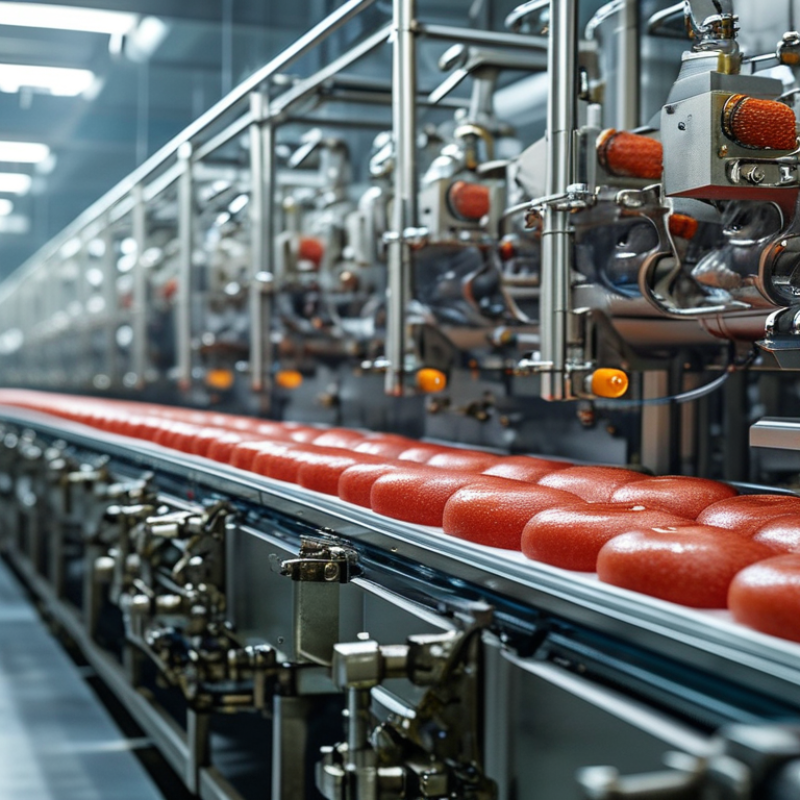
Understanding the Importance of Sterilization in Food Processing
Sterilization plays a crucial role in food processing. It ensures that food products are free from harmful microorganisms. According to the Food and Drug Administration (FDA), bacterial contamination leads to significant health risks. In fact, the Centers for Disease Control and Prevention (CDC) estimate that each year, about 48 million Americans suffer from foodborne illnesses. This highlights the need for effective sterilization systems in industrial food lines.
Various methods exist for sterilization, including heat treatment, chemical sterilization, and radiation. Each method possesses unique advantages for different types of food products. For example, heat treatment can effectively eliminate pathogens from canned foods, while chemical methods are often suitable for packaged items. A study indicated that using high-pressure processing can reduce bacterial counts by over 99%. This showcases the effectiveness of sterilization in improving food safety.
Despite these benefits, food manufacturers sometimes hesitate to invest in sterilization technology. Concerns about costs and the complexity of new systems often arise. However, it is essential to consider the long-term impact. The consequences of foodborne illnesses can lead to substantial recalls and damage to brand reputation. Retrofitting older systems might seem daunting, but prioritizing sterilization ensures quality and safety in food production.
Key Health Risks Associated with Contaminated Industrial Food Lines
Contaminated industrial food lines pose significant health risks. Bacterial pathogens like Salmonella and E. coli can thrive in unsterilized environments. According to the Centers for Disease Control and Prevention (CDC), about 48 million people in the U.S. get sick from foodborne illnesses each year. This staggering number underlines the importance of effective sterilization systems.
Improper hygiene practices lead to cross-contamination. This can occur during food processing or packaging. For instance, a study from the Food Safety and Inspection Service (FSIS) revealed that nearly 20% of food recalls are linked to microbial contamination. Ensuring rigorous sterilization protocols can mitigate these risks significantly.
**Tips:** Maintain equipment regularly. Regular cleaning schedules are vital. Train your staff on the importance of hygiene. Awareness can prevent contamination. Reliable sterilization systems are not just a safety measure; they are a necessity in protecting public health. Without proper sterilization, the consequences can be dire, resulting in illnesses that affect many lives.
Regulatory Standards Mandating Sterilization in Food Production
In the food industry, regulatory standards for sterilization are increasingly stringent. Organizations such as the
FDA and EU Food Safety Authority emphasize the need for effective sterilization. Their guidelines ensure food safety and prevent foodborne illnesses. According to the
2021 Food Safety and Inspection Service report, about one in six Americans will get sick from contaminated food each year. This highlights the critical nature of sterilization in food production.
Compliance with these standards requires advanced sterilization systems. The global sterilization equipment market is projected to reach
$6.55 billion by 2027. The demand underscores the importance of investing in reliable sterilization technologies. Without proper systems, manufacturers may face regulatory fines, product recalls, and potential loss of consumer trust. Moreover, recent studies suggest that over
40% of outbreaks are linked to inadequate sterilization practices, stressing the need for vigilance.
Despite improvements in sterilization methods, challenges remain. Variability in raw materials can impact effectiveness. Additionally, smaller producers may struggle with compliance due to resource constraints. Continuous training and technology upgrades are essential. Food safety is a shared responsibility, and commitment to regulatory standards is vital for maintaining public health.
The Role of Sterilization Systems in Ensuring Food Safety and Quality
Sterilization systems play a critical role in the food industry, ensuring both safety and quality. According to a report by the Food Safety and Inspection Service, approximately 48 million Americans experience foodborne illnesses each year. This statistic highlights the urgent need for effective sterilization practices. Implementing these systems can drastically reduce the risk of contamination, with data showing that proper sterilization can lower pathogen levels by up to 99.9999%.
Using heat, chemicals, or radiation, sterilization processes eliminate harmful microorganisms. Many industrial food lines use advanced technologies like high-pressure processing and steam sterilization. These methods not only enhance food safety but also preserve the nutritional value and flavor of products. However, sterilization systems require regular maintenance and monitoring. Neglect in these practices can lead to operational failures.
The importance of these systems is further underscored by industry trends. The global food sterilization market is expected to reach $18.68 billion by 2026, as more companies recognize the need for reliable sterilization solutions. Yet, businesses often face challenges in integrating new technologies and training employees. These obstacles can impede the effectiveness of sterilization systems. Continuous investment in knowledge and technology is crucial for overcoming these barriers and ensuring food safety.
Advantages of Implementing Advanced Sterilization Technologies in Industry
Sterilization systems play a vital role in industrial food production. The implementation of advanced technologies ensures food safety and quality. These systems effectively eliminate harmful pathogens, promoting public health. With rising consumer awareness, food companies must prioritize hygiene.
Investing in sterilization technologies offers numerous advantages. They reduce spoilage and extend shelf life. As a result, companies save money and resources. Efficient systems streamline operations, improving productivity and reducing waste. Also, these technologies contribute to a brand’s reputation, fostering consumer trust.
Tips: Maintain regular checks on sterilization systems. Regular maintenance enhances efficiency. Train staff on proper usage. Knowledgeable employees can prevent errors and enhance safety. Continuous improvement in sterilization practices is essential for industry excellence. A commitment to quality leads to better products. Embracing innovation in sterilization can make a significant difference.
Top Reasons Industrial Food Lines Need Sterilization Systems
| Aspect |
Description |
Advantages |
| Microbial Safety |
Sterilization ensures elimination of harmful bacteria and pathogens. |
Reduces risk of foodborne illnesses. |
| Shelf Life Extension |
Increases the shelf life of food products by preventing spoilage. |
Minimizes waste and maximizes profitability. |
| Regulatory Compliance |
Meets health and safety regulations mandated by authorities. |
Avoids legal issues and potential fines. |
| Process Efficiency |
Automated sterilization technologies enhance production efficiency. |
Lowers labor costs and production time. |
| Quality Assurance |
Maintains consistent quality and taste in food products. |
Builds consumer trust and brand loyalty. |
Conclusion
Sterilization systems are essential for industrial food lines to ensure food safety and quality. Understanding the importance of sterilization in food processing highlights the health risks associated with contaminated environments, which can lead to serious foodborne illnesses. Regulatory standards increasingly mandate these systems to protect consumers and uphold industry integrity.
Moreover, advanced sterilization technologies play a critical role in mitigating risks by effectively eliminating pathogens and ensuring consistency in product quality. Given these factors, the question "why do industrial food lines require sterilization systems" can be answered through the lens of health protection, compliance with regulations, and the benefits of maintaining high standards in food processing. Implementing these systems not only safeguards public health but also enhances the reputation and reliability of food manufacturers.

 CarniTe Machinery