How to Reduce Waste in Fruit Cutting Operations Efficiently?

Time:2026-05-05 Author:Isabella
0%

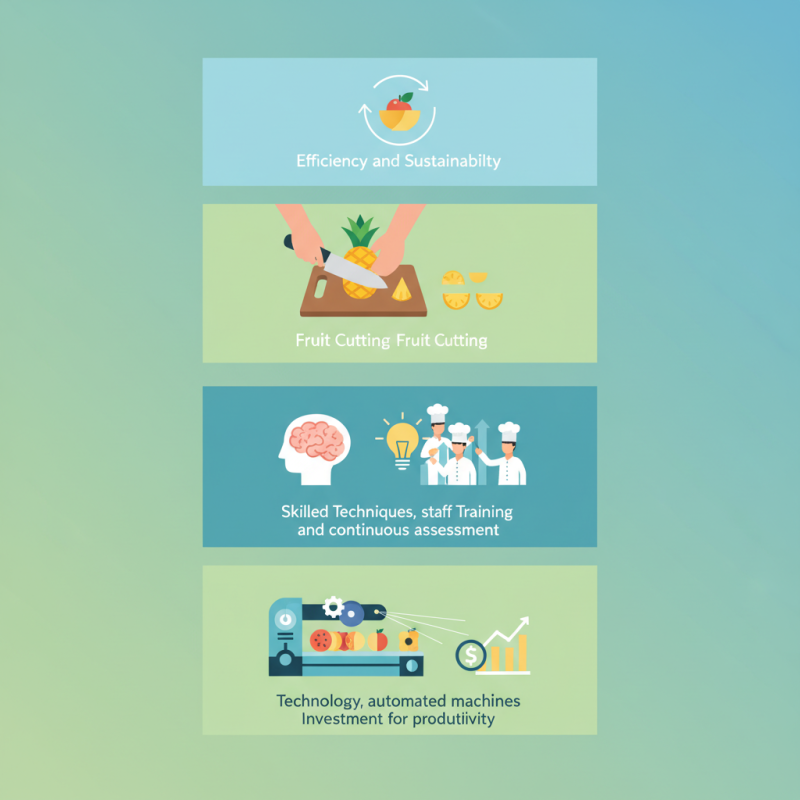
Reducing waste in fruit cutting operations is crucial for improving efficiency and sustainability. As businesses focus on streamlining their processes, understanding how to reduce waste in fruit cutting operations becomes a priority. Every year, a significant amount of fruit gets discarded during cutting and preparation. This not only affects profitability but also increases the environmental impact of food waste.

Effective fruit cutting requires skilled techniques and equipment. Implementing methods like precise slicing and dicing can minimize waste substantially. Training staff on best practices can lead to better outcomes. However, not all operations embrace these standards fully, highlighting the need for continual assessment and training.

Innovation in technology can also play a pivotal role. For instance, automated cutting machines can enhance consistency and reduce scraps. Still, companies often hesitate to invest due to initial costs. Exploring these options may reveal a path to greater sustainability and efficiency in their operations. Through careful evaluation and commitment to improvements, businesses can find practical solutions to reduce waste while enhancing productivity.
How to Reduce Waste in Fruit Cutting Operations Efficiently?

Best Practices for Preparing Fruits to Minimize Waste

Cutting fruits can lead to significant waste if not managed carefully. According to the Food and Agriculture Organization (FAO), approximately 45% of fruits and vegetables are wasted globally. As we prepare fruits, adopting best practices is essential to minimize this waste.

Using the right tools can make a notable difference. Sharp knives and quality cutting boards reduce friction and damage. This prevents unnecessary bruising, which leads to spoilage. A recent industry report indicated that up to 20% of fresh produce waste happens due to improper cutting techniques. Training staff on efficient cutting methods is vital.

Another impactful practice is utilizing the whole fruit. Peels and cores often end up in the trash. Instead, consider using these parts for flavoring or composting. Research suggests that these sustainable methods can reduce overall waste by up to 30%. It’s also important to regularly assess cutting processes and stay open to improvements. Small changes can lead to significant waste reductions.

Fruit Cutting Operations Waste Reduction Analysis

Choosing the Right Tools for Efficient Fruit Cutting

Choosing the right tools for efficient fruit cutting can significantly reduce waste in operations. According to industry reports, the fruit processing sector generates over 60% of waste from improper cutting techniques. Using dull knives or inappropriate cutters often leads to excessive pulp loss and uneven slices, which are not suitable for retail or culinary use.

Investing in quality tools is crucial. Sharp, ergonomically designed knives can reduce the effort required, allowing for quicker and more precise cuts. A study by the Food Technology Association indicates that the right knife can cut waste by up to 15%. Additionally, tools such as fruit corers and peelers are designed to maximize yield. Yet, not every operation uses these specialized tools due to misconceptions about costs or the need for training. This can lead to a missed opportunity for improving efficiency.

While the right tools can enhance output, numerous operations still struggle with the transition. Some workers resist adopting new methods, fearing a learning curve. The reality is that without change, waste will continue. Different fruit types require varied cutting methods and tools. A single tool can't meet all needs, leading to further inefficiencies. This highlights a gap that needs addressing for improved sustainability in fruit cutting operations.

Techniques to Maximize Yield and Reduce Scrap

Reducing waste in fruit cutting operations is crucial for maximizing yield. Efficient techniques can significantly limit scrap. Training staff on cutting methods is essential. Educated workers tend to produce less waste.


Focus on the right tools. Using sharp knives minimizes damage to the fruit. A dull knife can lead to excessive bruising. A careful cut enhances the fruit's overall yield.


Tips: Pre-chill fruit. This makes cutting easier and reduces spoilage. Regularly inspect your workflow. Identifying bottlenecks can help reduce waste. Calibration of equipment also plays a role. Tools should be checked often for optimum performance.


Reflect on your methods. Are there ways to improve? Constantly adapting can lead to noticeable differences.

Implementing Portion Control in Fruit Servings

Implementing portion control in fruit servings can significantly reduce waste in fruit cutting operations. By measuring and regulating the amount of fruit served, businesses can ensure that they meet customer expectations without overproducing. This strategy not only minimizes waste but also contributes to cost savings.

Tips for effective portion control: Start by training staff on proper measuring techniques. Use tools like portion scoops or scales to standardize servings. Consider visual guides to help staff quickly gauge portions. Regularly review portion sizes against customer feedback to identify areas for improvement.

Setting clear guidelines is crucial. However, flexibility is needed. Different fruits have varying levels of consumer demand. Sometimes, a favorite fruit runs out quickly, while others may linger. Regularly reassess your portion control approach to adapt to these shifts. Stay open to experimenting with serving sizes. This constant evaluation can lead to better results and less waste over time.

Proper Storage Methods to Preserve Cut Fruit Freshness

Proper storage of cut fruit is essential for maintaining freshness and minimizing waste. After cutting fruit, the first step is to prevent oxidation. This process can discolor fruit and alter its taste. To combat this, consider using acidulated water or lemon juice. These natural solutions can help keep the vibrant colors and flavors intact.

Temperature plays a crucial role in fruit preservation. Ideally, store cut fruit in airtight containers. This method helps reduce exposure to air, which can lead to spoilage. Keeping the containers in the refrigerator can further slow down the decay process. However, it’s important to monitor the temperature to avoid freezing, which can ruin the fruit's texture.

Remember, not all fruits have the same storage requirements. For instance, some fruits like melons can develop off-flavors as they sit. They should be consumed quickly after cutting. Others, such as apples, last longer but may still require careful monitoring. It's a balancing act that often requires practice and constant learning. Assessing your fruit storage routine is key to improving efficiency.

FAQS

: Why is choosing the right tools important for fruit cutting?

: The right tools minimize waste and enhance cutting efficiency, significantly reducing pulp loss.

How can dull knives affect fruit cutting?

Dull knives can bruise fruit and lead to excessive waste, resulting in uneven slices.

What can quality tools achieve in fruit cutting operations?

Quality tools can increase cutting precision and reduce waste by up to 15%.

Why might some operations avoid using specialized cutting tools?

Misconceptions about costs or the need for training can discourage the use of specialized tools.

How can staff training impact waste reduction?

Educated workers are more likely to produce less waste by using proper cutting techniques.

What is a practical tip for enhancing cutting efficiency?

Pre-chilling fruit makes it easier to cut and helps reduce spoilage during operations.

How should businesses implement portion control with fruit servings?

By measuring servings with tools like scoops or scales, businesses can meet customer needs without overproducing.

What should businesses regularly review regarding portion control?

They should compare portion sizes with customer feedback to improve and adapt their serving strategies.

What's an important aspect of evaluating cutting methods?

Reflecting on current practices can uncover opportunities for improvement and efficiency.

Why is flexibility in portion control important?

Customer demand varies for different fruits, requiring regular reassessment of serving sizes to minimize waste.

Conclusion

In order to effectively address the question of how to reduce waste in fruit cutting operations, it is essential to adopt several best practices. Starting with fruit preparation, selecting the freshest and highest-quality fruits minimizes spoilage and guarantees better yields. The choice of cutting tools also plays a critical role; using sharp, appropriate knives or specialized equipment can lead to more efficient cuts and less waste.

Furthermore, employing techniques that maximize yield, such as precise slicing and dicing, helps in reducing scrap. Portion control in fruit servings ensures that quantities are managed properly, limiting excess leftovers. Finally, implementing proper storage methods, such as airtight containers or refrigeration, preserves the freshness of cut fruit and decreases spoilage. By integrating these strategies, businesses can significantly enhance efficiency while minimizing waste in their fruit cutting operations.

Isabella

Isabella

Isabella is a dedicated marketing professional with a sharp focus on driving brand growth and engagement through strategic content creation. With an extensive background in digital marketing, she combines her passion for storytelling with her keen understanding of industry trends to deliver......