Top 10 Reasons Why Milk Is Pasteurized in Processing Plants?

Time:2026-05-13 Author:Oliver
0%

Milk is a staple in many diets around the world. However, the question remains, "why does milk need pasteurization in processing plants?" Pasteurization is essential for ensuring the safety and quality of milk. According to a report by the National Dairy Council, pasteurized milk is less likely to carry harmful pathogens like E. coli and Salmonella. These bacteria can seriously affect health, especially in vulnerable populations like children and the elderly.

In the U.S., the Centers for Disease Control and Prevention (CDC) noted that unpasteurized milk products account for a significant percentage of dairy-related illnesses. This statistic highlights the urgent need for pasteurization in processing plants. By heating milk to specific temperatures, pasteurization kills pathogenic bacteria while preserving essential nutrients.

While some advocate for raw milk due to its perceived health benefits, the risks can overshadow these claims. A study from the Food and Drug Administration (FDA) shows that pasteurized milk remains a safer option. It is crucial to weigh the benefits of pasteurization against the desire for raw alternatives. Ultimately, ensuring public health and safety should take precedence in milk processing practices.
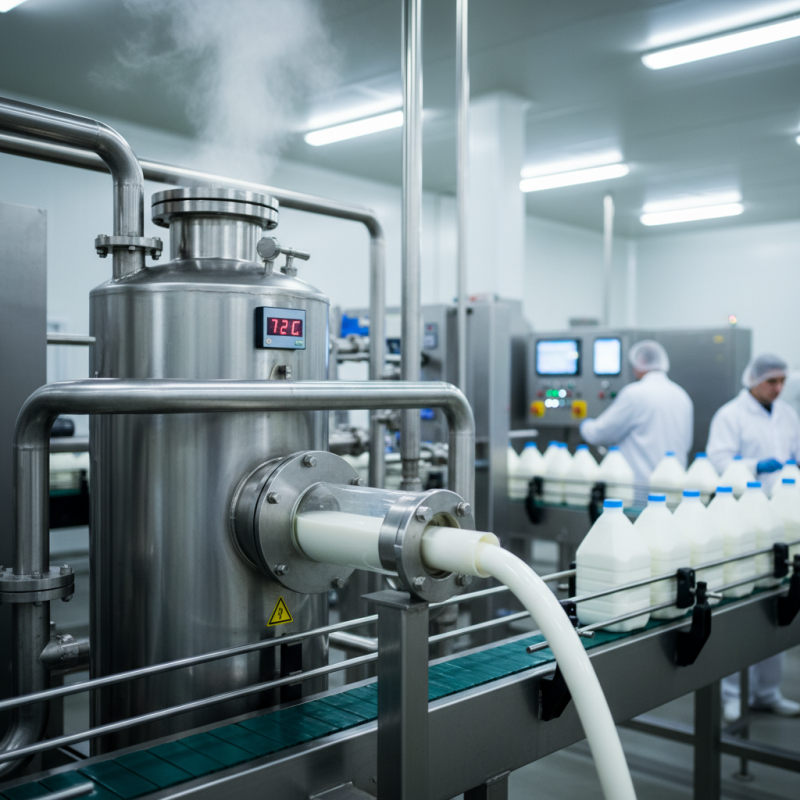
Top 10 Reasons Why Milk Is Pasteurized in Processing Plants?

Importance of Pasteurization in Milk Safety and Quality

Pasteurization is a vital step in milk processing, ensuring safety and quality. This method heats milk to eliminate harmful bacteria. Pathogens like E. coli and Salmonella can cause serious illnesses. Pasteurization protects consumers by reducing these risks.

In addition to safety, pasteurization helps maintain the milk's nutritional value. It ensures that essential vitamins and minerals remain intact. While some may argue that heating affects taste, many enjoy the flavor of pasteurized milk. It often tastes fresher and smoother.

Tips: Always check for pasteurized labels when buying milk. This ensures you are selecting a safe product. Store milk properly at cool temperatures. Keeping it refrigerated minimizes bacterial growth. Remember, pasteurized does not mean invulnerable. Pay attention to expiration dates and consume responsibly.

Understanding the Pasteurization Process and Its Methods

Pasteurization is a crucial process in milk production. It involves heating milk to kill harmful bacteria without affecting its nutritional quality. The methods of pasteurization vary, but they all aim for safety and quality. The two most common methods are High-Temperature Short-Time (HTST) and Ultra-High Temperature (UHT). [Image] HTST heats milk to at least 161°F for 15 seconds. UHT, on the other hand, heats milk to around 280°F for a few seconds. These methods make milk safe to consume.

Pasteurization not only enhances safety but also extends shelf life. Bacteria can spoil milk quickly, leading to waste. While the process is effective, some argue it diminishes flavors and natural enzymes. This critique invites reflection on balancing safety and taste. Furthermore, the industry continues to look for innovative ways to pasteurize milk more effectively. Consumers seek higher quality products. Understanding these methods empowers individuals to make informed choices about their milk.

Health Benefits: Reducing Pathogenic Bacteria in Milk

Milk pasteurization plays a crucial role in ensuring public health. One significant benefit of pasteurization is its ability to reduce pathogenic bacteria in milk. These harmful microorganisms can lead to severe illnesses if consumed. By applying heat to milk, harmful bacteria like Salmonella, E. coli, and Listeria are effectively killed, making milk safer for consumers.

While pasteurization prevents many health risks, it also raises questions about nutrient preservation. Some argue that heating may reduce certain vitamins and enzymes in the milk. However, the overall health benefits significantly outweigh these concerns. Many experts believe that the safety of pasteurized milk is paramount, especially for vulnerable populations like children and the elderly.

In processing plants, strict standards are in place for pasteurization. This process is carefully monitored to ensure effectiveness. Yet, inconsistency in execution can lead to concerns. Consumers should be aware that pasteurization does not guarantee milk is free of all bacteria. It simply minimizes the risk. Regular testing and quality assurance are vital for maintaining safety in the industry.

Extending Shelf Life: How Pasteurization Affects Milk Freshness

Pasteurization significantly impacts the freshness of milk, extending its shelf life while maintaining safety. Research from the Dairy Research Institute shows that pasteurized milk can last over two weeks in refrigeration, compared to just a week for raw milk. This process eliminates harmful bacteria such as E. coli and Salmonella, which can compromise both safety and quality.

The pasteurization process involves heating milk to a specific temperature for a set period. This not only kills pathogens but also deactivates spoilage enzymes. As a result, the nutritional quality of milk remains intact. A study published in the Journal of Dairy Science indicates that pasteurized milk retains 90% of its vitamins, making it a reliable source of nutrition. However, some still argue that pasteurization may alter the taste and texture, raising questions about consumer preferences.

Despite its advantages, pasteurization doesn’t eliminate all forms of spoilage. Some microorganisms can survive the process, leading to spoilage if not handled correctly. The industry continues seeking ways to enhance freshness, such as exploring advanced filtration techniques. This ongoing challenge highlights the delicate balance between safety, quality, and consumer expectations in the dairy industry.

Top 10 Reasons Why Milk Is Pasteurized

This bar chart illustrates the top ten reasons for pasteurizing milk, emphasizing its role in extending shelf life and enhancing safety while maintaining quality.

Consumer Trust: The Role of Pasteurization in Dairy Standards

Pasteurization plays a crucial role in maintaining consumer trust in dairy products. It involves heating milk to eliminate harmful bacteria while preserving its nutritional value. This process reassures consumers that their dairy choices are safe. For many, the thought of consuming raw milk can be unsettling. Pasteurization removes that fear.

The dairy industry prioritizes safety above all else. However, not all pasteurization methods are the same. High-temperature short-time (HTST) pasteurization is common for milk. This method kills most pathogens quickly. But, some argue it may affect taste or nutritional content. This brings up questions about quality versus safety.

Despite these concerns, pasteurization remains essential. The bacteria it kills can cause severe illnesses. Consumer confidence in dairy products hinges on these safety measures. As the industry evolves, balancing taste and safety will be a continuous challenge. Recognizing this tension is important for both producers and consumers.

FAQS

: What is pasteurization?

: Pasteurization is a process that heats milk to kill harmful bacteria while preserving nutritional quality.

How does pasteurization enhance safety?

It effectively reduces pathogenic bacteria like Salmonella and E. coli, making milk safer to consume.

What are the common pasteurization methods?

The two main methods are High-Temperature Short-Time (HTST) and Ultra-High Temperature (UHT).

How long is milk heated in HTST?

HTST heats milk to at least 161°F for 15 seconds.

What is the shelf life of pasteurized milk?

Pasteurized milk can last over two weeks in refrigeration, longer than raw milk's one week.

Does pasteurization affect the taste of milk?

Some believe pasteurization may alter the taste and texture, leading to consumer concerns.

Are all bacteria eliminated by pasteurization?

No, pasteurization reduces bacteria but does not guarantee complete elimination.

What are the nutritional impacts of pasteurization?

Pasteurized milk retains about 90% of its vitamins, though some nutrients may be reduced.

Why is pasteurization important for vulnerable populations?

It ensures safety for groups like children and the elderly, who may be more susceptible to illnesses.

How is the pasteurization process monitored?

Strict standards and regular testing are in place to ensure the effectiveness of pasteurization.

Conclusion

Pasteurization is a crucial process in milk processing plants, primarily aimed at ensuring safety and quality. One of the key reasons why does milk need pasteurization in processing plants is to eliminate pathogenic bacteria, which can pose serious health risks to consumers. By subjecting milk to heat, harmful microorganisms are destroyed, making the milk safer for consumption.

In addition to enhancing safety, pasteurization significantly extends the shelf life of milk, preserving its freshness for longer periods. This process not only benefits the consumers by delivering safer products but also fosters greater trust in dairy standards. As public awareness of food safety increases, the role of pasteurization in maintaining high dairy quality remains essential in safeguarding public health and promoting consumer confidence in milk products.

Oliver

Oliver

Oliver is a seasoned marketing professional with a wealth of expertise in driving brand awareness and engagement. With a deep understanding of our company's product offerings, he consistently delivers high-quality content that enriches our professional blog. His insights not only shed light on......