The appearance of fruit juice is crucial for consumer acceptance. Cloudiness can be a common concern. Many consumers wonder, "why is fruit juice cloudy after processing?" This question highlights important aspects of juice production.
Several factors contribute to this cloudiness. Pulp, suspended particles, and the natural components of fruits can alter clarity. Processing methods may also play a role. For instance, not all juicing techniques remove pulp effectively. This can leave the juice looking less appealing than expected.
Cloudiness doesn't necessarily indicate poor quality. In fact, some cloudiness can signify a fresh and natural product. However, it raises questions about processing standards and the perception of juice purity. Consumers must be educated about these aspects to understand and appreciate their beverages better. Exploring the reasons behind juice cloudiness can enhance our knowledge and expectations of fruit products.
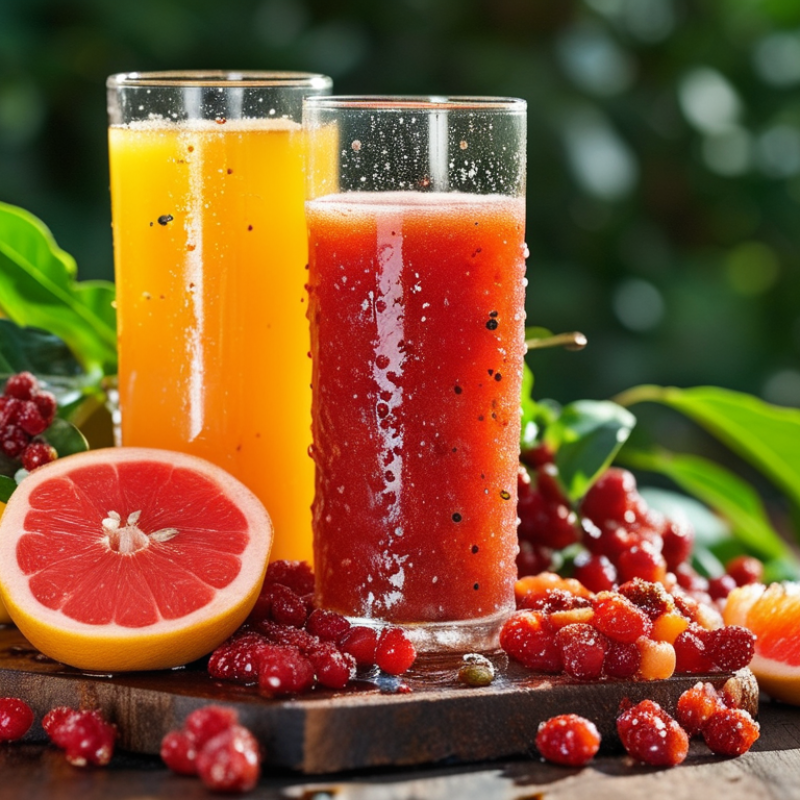
Understanding Juice Clarity: An Overview of Key Factors
When fruit juice appears cloudy post-processing, several factors contribute to this outcome. One key aspect is the presence of pectins, which are natural substances found in fruits. When juicing, these pectins can gel and create haziness. Additionally, fine particles from the fruit might remain suspended in the juice. These elements affect clarity but also contribute to flavor and nutritional benefits.
Choosing the right fruit can influence juice clarity. For instance, citrus fruits often yield clearer juice, while pulpy fruits like mangoes result in cloudier options. It’s essential to strike a balance between preference for clarity and the preferred taste profile of your juice.
Tip: If clarity is crucial, consider filtering the juice post-extraction. This step can help remove excess pulp. However, filtering may also lose some nutrients, which is worth considering. Taste and nutrition should always be part of your decision-making.
Finally, cloudiness can sometimes indicate freshness. Fresh juice often retains more natural compounds, leading to that cloudy appearance. Reflecting on the balance between aesthetics and health benefits can give greater appreciation for the juice-making process.
The Role of Pectin and Processing Techniques in Juice Clarity
Juice clarity can be a significant concern for producers and consumers alike. Pectin plays a key role in this issue. It is a natural substance found in fruits and is responsible for the gel-like texture of jams and jellies. When fruits are processed into juice, pectin can cause cloudiness. This is particularly true if the juice is not properly treated.
Processing techniques can greatly influence juice clarity. For example, cold pressing tends to retain more pulp and pectin, resulting in a cloudier appearance. On the other hand, methods like centrifugation can separate pulp and pectin from the juice, yielding a clearer product. Yet, some consumers actually prefer the cloudy juice for its more natural look, despite potential sediment.
Moreover, over-processing can strip away essential nutrients and alter flavors. This creates a need for a delicate balance. Producers must decide between clarity and the juice's natural qualities. Achieving the perfect clarity may require experimentation and adjusting techniques based on fruit types. Every choice impacts the final product's quality and appeal.
Influence of Fruit Varieties on Cloudiness in Juice Products
Fruit juice can often appear cloudy after processing, and this phenomenon is heavily influenced by the types of fruits used. Different fruit varieties exhibit unique characteristics that affect clarity. For instance, apples, pears, and citrus fruits tend to produce clearer juices compared to berries or tropical fruits. This is due to the pectin and cell wall structure found in different fruits, which can lead to sediment formation.
Some fruits contain higher levels of suspended solids, which contribute to cloudiness. These solids can come from pulp, seeds, and even the fruit's skin. When juice is extracted, these elements are often included in the final product, impacting its visual appeal. Consumers may prefer clearer juices due to aesthetic reasons, yet a little cloudiness can indicate freshness.
Processing methods also play a role in juice clarity. Techniques like filtration and centrifugation can reduce cloudiness. However, intense processing may strip away some nutrients and flavor. Thus, producers face a balancing act between visual attributes and preserving the juice's natural qualities. Understanding the impact of fruit varieties on cloudiness can help both juice makers and consumers appreciate the diversity of fruit juices.
Impact of Filtration and Pasteurization on Juice Clarity
Filtration and pasteurization are critical processes in juice production, deeply influencing juice clarity. Filtration removes larger particles and pulp, creating a smoother texture. However, this can result in cloudy juice if some particles remain. Studies show that up to 30% of particles may escape conventional filtration methods. This is often undesirable for consumers who expect clear, appealing beverages.
Pasteurization, on the other hand, aims to eliminate harmful microorganisms. Yet, this process can also impact juice clarity. High-temperature treatments may break down pectin and other cloud-forming substances. Reports indicate that improperly managed pasteurization can lead to an unintentional increase in turbidity. This is a challenging aspect for manufacturers, who must balance safety and aesthetic appeal.
Consumer expectations play a significant role in how juice clarity is perceived. Research has found that up to 70% of consumers prefer clear juices, associating clarity with quality. This sets high standards for producers. They face the ongoing task of improving filtration techniques while ensuring effective pasteurization. It’s a complex journey filled with adjustments and reflections on what clarity means in the fruit juice world.
Consumer Perception: The Aesthetic Value of Clear vs. Cloudy Juice
When it comes to fruit juice, appearance matters. Many consumers prefer clear juice due to its perceived freshness and taste. A clear beverage often suggests purity. However, cloudy juices can be just as nutritious, sometimes even more so. They contain more pulp and bits that may enhance flavor and health benefits. This discrepancy raises an interesting question about consumer perception.
The aesthetic appeal of juice is hard to ignore. Clear juice may appear more inviting on store shelves. Yet, cloudy juice often delivers a richer taste experience. It's a dilemma for manufacturers. They must balance visual appeal with nutritional value. Some consumers might overlook the benefits of cloudy juice. They focus too much on its appearance alone. This trend could affect their health choices.
Understanding the reasons behind cloudiness is essential. It can stem from factors like pulp, sediment, and the type of fruit used. People may need to reconsider their preferences. Clear juice is not always better. This invites an important conversation about what we value. Are we choosing based on looks or health benefits? A deeper understanding can help shape future choices.
FAQS
: Filtration removes larger particles and pulp, creating smoother juice. However, some particles may still remain.
Pasteurization eliminates harmful microorganisms but can unintentionally increase turbidity if not managed properly.
Many consumers associate clarity with quality and freshness. Up to 70% prefer clear juices for this reason.
Yes, cloudy juice often contains more pulp and nutrients, enhancing flavor and health benefits compared to clear juice.
They must balance visual appeal with nutritional value, navigating consumer preferences and health choices.
Cloudiness can result from pulp, sediment, and the fruits used. Understanding this can shift consumer perceptions.
Yes, clear juice isn’t always better. Nutritional benefits often lie in cloudy juices, inviting reflection on choices.
Some consumers prioritize appearance over health benefits, which could affect their overall nutrition and well-being.
Conclusion
The article "Why is My Fruit Juice Cloudy After Processing?" delves into the various factors that contribute to juice clarity. It begins by providing an overview of juice clarity, highlighting the significance of elements such as pectin and the processing techniques used. Pectin plays a crucial role in determining the cloudiness of juice, as it can create a gel-like structure that retains particles. Additionally, the choice of fruit varieties significantly influences the final appearance of juice products, with some fruits naturally yielding cloudier juices.
Further, the piece discusses how filtration and pasteurization processes can affect juice clarity. Filtration removes suspended particles, leading to clearer juice, while pasteurization can alter the physical properties of juice, impacting its overall visual appeal. Lastly, consumer perception is addressed, emphasizing the aesthetic value of clear versus cloudy juice and how it can influence buying decisions. Understanding these factors helps answer the question of why fruit juice is cloudy after processing and enhances awareness of the juice production process.

 CarniTe Machinery