Optimized sorting and washing setups designed for the fresh produce import supply chain and commercial agricultural operations in South Pacific ports.
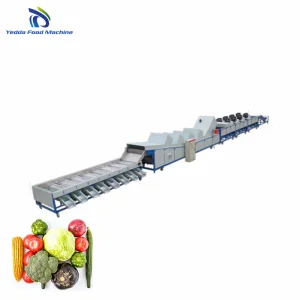
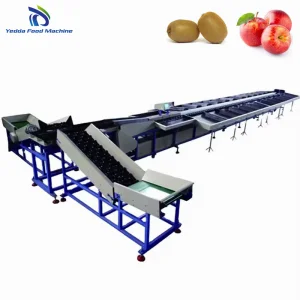
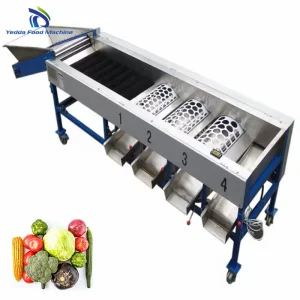
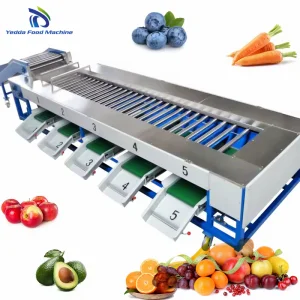
Operating an industrial or commercial agricultural enterprise in the Republic of Kiribati—stretching across 3.5 million square kilometers of the central Pacific Ocean—presents highly specific engineering constraints. Primarily reliant on subsistence farming of root crops, breadfruit, pandanus, and coconuts, Kiribati imports a vast majority of its fresh fruits and vegetables to urban centers like South Tarawa. This dual reality defines the local demand for food processing machinery:
Fresh produce imported from Australia, New Zealand, or Fiji undergoes extended maritime shipping corridors before arriving at Betio Port. By the time fresh items reach local distributors and hotels, minimizing decay is paramount. Commercial washing, waxing, and precise sorting systems allow importers to triage goods immediately upon cargo discharge, extending shelf life, separating bruised or moldy stock, and preventing cross-contamination in temperature-controlled warehouses.
Kiribati's atolls feature narrow strips of land constantly subjected to airborne sea spray and brackish groundwater. Standard agricultural equipment constructed from ordinary carbon steels or low-grade stainless steels degrades through rapid crevice corrosion within months. Plant operators require food-grade equipment built with premium-certified SUS304 or SUS316 stainless steel structures, marine-grade washdown electrical panels (IP69K rating), and protected cable routes to ensure decades of operational life.
Atoll groundwater lenses are extremely fragile and vulnerable to over-extraction and pollution. High-capacity open-loop washing systems are economically and environmentally unfeasible in Tarawa. Advanced washing systems must incorporate closed-loop water filtration technology—utilizing mechanical screen filters, active carbon treatment, and UV sanitization—to recirculate up to 90% of process water safely without compromising food hygiene protocols.
At Dongguan CarniTe Machinery Co., Ltd., we customize our machinery platforms specifically for Pacific Island operating profiles. From low-energy configurations to heavy-duty, marine-treated drive assemblies, we guarantee reliability where spare parts logistics require careful planning.
| System Parameter | Standard Configuration | Oceanic Saline Spec (Kiribati) |
|---|---|---|
| Structural Materials | SUS304 Stainless Steel | Heavy-gauge SUS304 / SUS316 Bead-Blasted |
| Motor & Drives | IP55 Standard Duty | IP66/IP67 Anti-Corrosive Gear Motors |
| Water Management | Direct Drainage / Overflow | Multi-stage Recirculation with UV Sanitizer |
| Electrical Control | Standard Cabinet | Hermetic Double-Sealed Air-Cooled IP69K |
| Sorting Mechanism | Dimensional Weight Rollers | Customizable Sizing for Atoll Fruits / Imports |
Why processing facilities in Oceania trust Dongguan CarniTe Machinery Co., Ltd. for turnkey washing and sorting setups.
By using standard-size bearings, belts, and highly efficient motors, we minimize the ongoing maintenance costs and simplify part replacements in isolated locations.
Designed to run on atoll micro-grids, featuring soft-starters and VFD controls to avoid power surges that compromise local generator stability.
Hygienic open frame design enables rapid cleaning with zero dirt-trapping corners, aligning directly with international WHO and local sanitation standards.
Explore our fabrication processes, precision machinery assembly plants, and international shipment testing procedures.
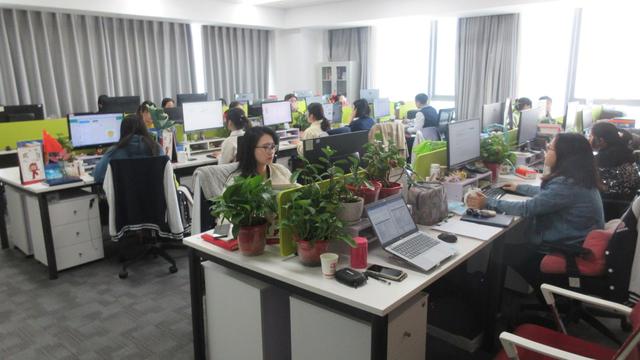
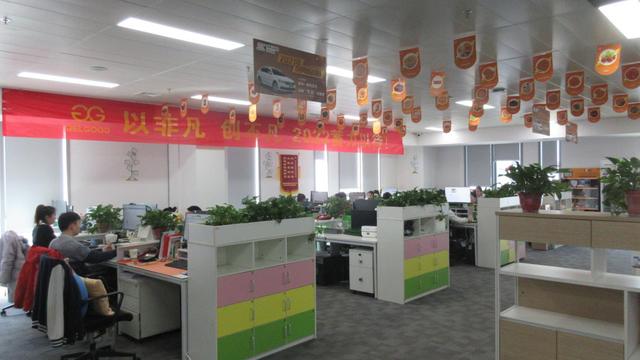
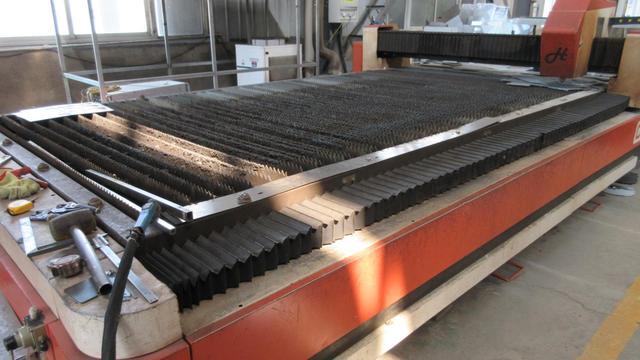
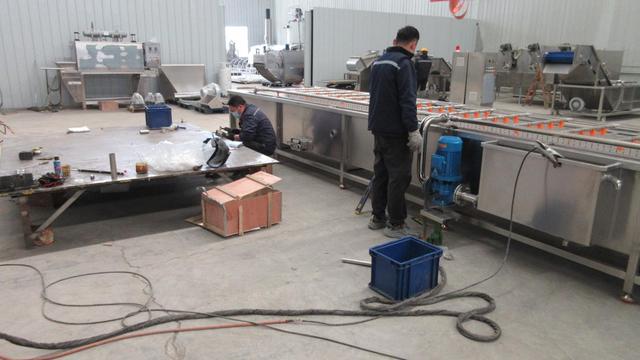
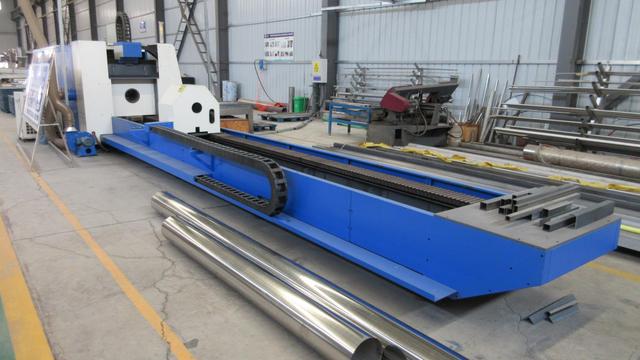
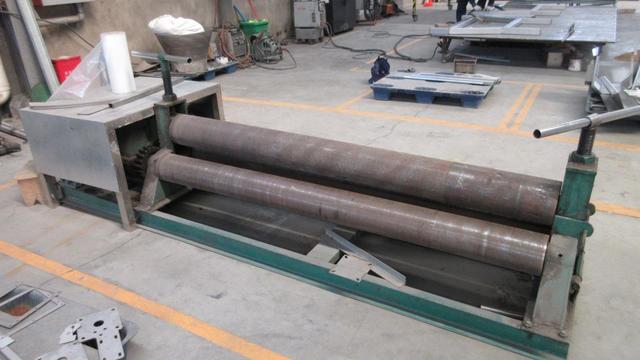
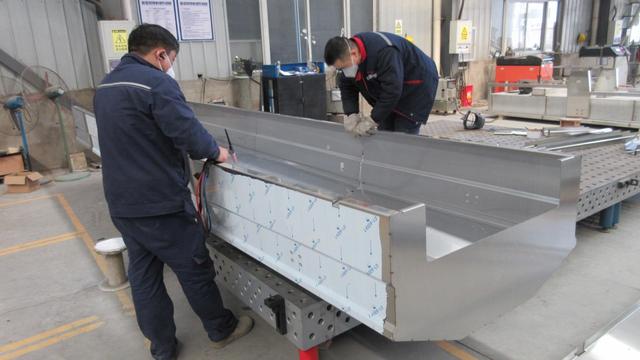
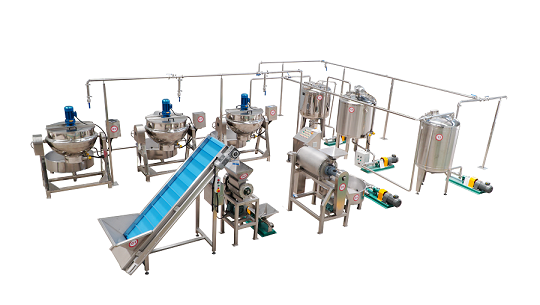
Our company, Dongguan CarniTe Machinery Co., Ltd., is a leading professional manufacturer specializing in fruit and vegetable processing equipment and integrated industrial food processing solutions. With a heavy focus on continuous R&D and advanced manufacturing technologies, we deliver robust machinery lines configured for international freight routes, ensuring seamless customs clearance and containerized delivery directly to the South Pacific islands.
Our quality system is verified across every stage—from material sourcing (ensuring non-recycled food-grade stainless steels) to trial runs under load before seaworthy packing. We supply modular, skid-mounted systems that arrive fully pre-wired to significantly reduce onsite mechanical work, making installation simple even in locations with limited industrial installation services.
Select the specific module configuration required for your target produce crop, imported batch capacity, or custom packaging workflow.
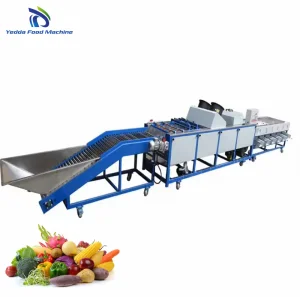
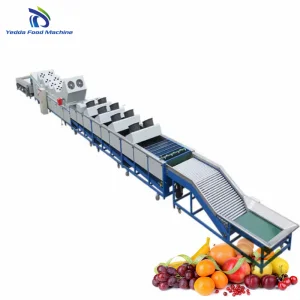
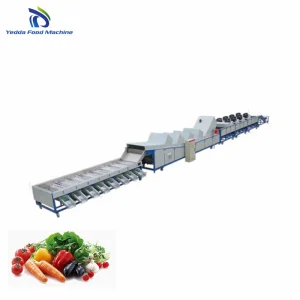
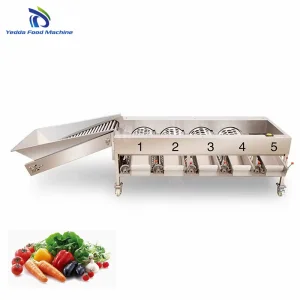
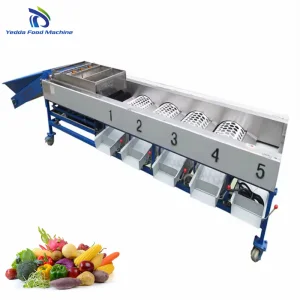
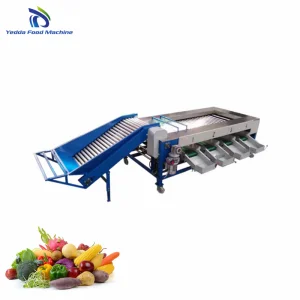
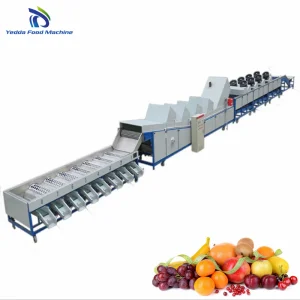
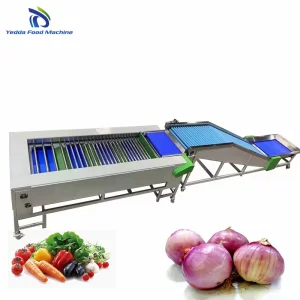
Heavy-duty configurations designed for processing plants, packaging depots, and root crop value-added exports.
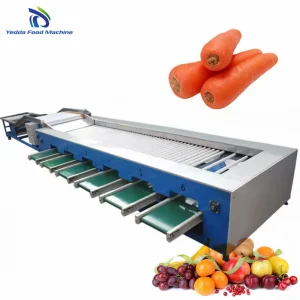
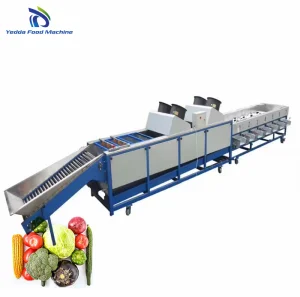

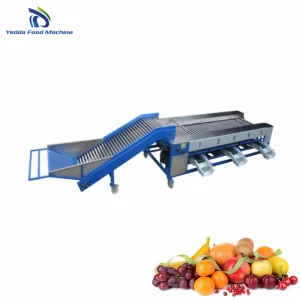
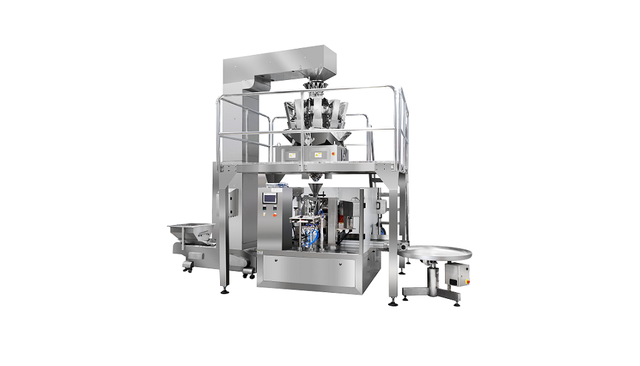
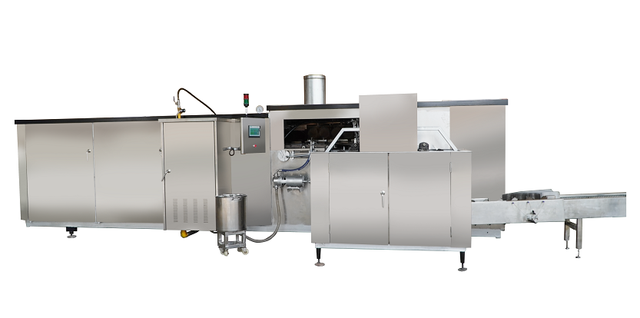
When purchasing capital equipment for projects in Kiribati, project managers and governmental agricultural authorities must account for unique geo-economic conditions. As experienced exporters to Oceania, Dongguan CarniTe Machinery Co., Ltd. delivers end-to-end support to resolve these operational bottlenecks.
Because freshwater is a scarce asset across the Gilbert, Line, and Phoenix Islands, standard washing systems that dump hundreds of liters of water per cycle cannot be integrated into atoll operations. We configure specialized washing machinery to interface seamlessly with local atoll reverse osmosis systems or rainwater harvesting grids. Water filtration boxes are designed with triple sedimentation levels, physical debris-clearing micro-meshes, and automated inline chlorination/UV injection loops. This system guarantees that recirculated water meets strict biosecurity regulations while limiting water consumption to absolute minimal evaporative and discharge volumes.
Atolls feature heavy salt mist that continuously coats plant equipment. Standard mild steel or low-grade stainless steels will experience significant pitting corrosion. To combat atmospheric salt-stress, we offer optional bead-blasting and passivation treatments for all SUS304 and SUS316 stainless frames. Furthermore, mechanical critical points—such as roller bearings, chain links, and sprocket gears—are isolated using custom polymer sleeves or sealed oil bath reservoirs. This prevents sea air from entering mechanical tolerances and causing operational failure.
Kiribati's main electrical grid in Tarawa, as well as localized island solar-diesel micro-grids, are prone to voltage fluctuations and sudden dropouts. Traditional high-capacity motors are highly sensitive to phase imbalances. Dongguan CarniTe Machinery equips standard control panels with phase-protection relays, low-voltage releases, and heavy-duty VFDs (Variable Frequency Drives). These systems protect electronic logic chips from power spikes, reducing operational downtime and protecting investment capital from micro-grid power failures.
Shipping large-scale industrial machinery to Kiribati requires meticulous container optimization. Freight routes typically require transfer at regional transshipment hubs (such as Suva, Fiji or Auckland, New Zealand) before reaching Betio Port, Tarawa, or London on Kiritimati Island. CarniTe Machinery packs all sorting and grading machinery in vacuum-sealed anti-moisture bags inside reinforced, IPPC-certified wooden crates. We provide detailed shipping specifications, HS codes, and export paperwork to streamline clearing processes with the Kiribati Customs Service, ensuring zero delays at the port of entry.
As post-harvest technologies evolve, modern operations require upgrade paths to keep pace with changing markets. Our engineering team at Dongguan CarniTe Machinery Co., Ltd. is continually upgrading our core systems to match sustainable farming trends:
By upgrading sorting systems with computer vision and AI model matching, our machinery can identify visual blemishes, mechanical bruises, and ripeness stages on local produce (e.g., coconut shells, pandanus keys, local pumpkins, and breadfruit) and imported greens. This automation reduces manually grading labor by up to 75%.
In cooperation with regional off-grid solar projects, we are developing washing and sorting line configurations powered directly by low-voltage solar arrays. This layout avoids the efficiency losses of DC-to-AC conversion, allowing remote outer islands to run sorting operations without using high-cost diesel fuel.
Find expert answers to common queries regarding equipment configuration, logistics, installation, and operations in Kiribati.
 CarniTe Machinery