Engineered for absolute thermal efficiency, mechanical precision, and long-term shelf-life retention.
In the era of dynamic global supply chains, food security, logistics sustainability, and waste reduction have emerged as defining pillars of agricultural technology. Food preservation is no longer merely about prolonging shelf life; it has evolved into a sophisticated discipline of retaining structural integrity, biological nutrients, and organoleptic properties. Modern food preservation techniques act as a shield against microscopic deterioration, enzymatic breakdown, and chemical oxidization.
Industrial processing plants face a double-edged challenge: maintaining extreme throughput while adhering to zero-pathogen food safety directives (such as the FSMA, EFSA, and international HACCP standards). Dongguan CarniTe Machinery Co., Ltd. addresses this paradigm by engineering turnkey industrial solutions that streamline processing workflows from raw agricultural harvests to commercially sterile packaged goods.
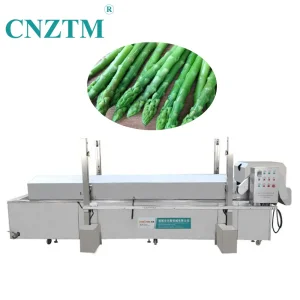
To transition from manual processing to advanced preservation, food factories require end-to-end integration. By deploying multi-stage automated lines, manufacturers can track critical control points (CCPs) in real-time. For instance, combining high-speed optical sortation with precision continuous thermal processing guarantees that only premium-grade raw materials undergo preservation treatments. This reduces energy expenditure and limits thermal degradation of sensitive ingredients, such as natural fruit juices and tender green vegetables.
Dongguan CarniTe Machinery Co., Ltd. is a professional manufacturer specializing in fruit and vegetable processing equipment and integrated industrial food processing solutions. The company focuses on the research, development, production, and global supply of advanced processing lines for fruits, vegetables, and related food products. With strong engineering capability and industry experience, CarniTe Machinery delivers turnkey solutions that ensure efficient, hygienic, and scalable food production.
Core systems include washing, sorting, peeling, cutting, juicing, pulping, blanching, freezing, drying, and packaging lines, widely applied in food factories, beverage plants, and agricultural processing industries. The company is committed to improving production efficiency, reducing labor costs, and maintaining consistent product quality through automation and intelligent control technologies.
Dongguan CarniTe Machinery Co., Ltd. maintains strict quality standards and complies with international manufacturing requirements. It provides OEM and ODM customization services tailored to different capacities and production needs. By combining innovation, reliability, and customer-focused engineering, the company continues expanding into Asia, Europe, the Middle East, and the Americas, aiming to become a trusted global partner in food processing automation.
The company also invests heavily in research and development, continuously upgrading processing technology, improving energy efficiency, and enhancing equipment stability, while providing comprehensive after-sales support, installation guidance, and technical training to ensure long-term operational success for global customers in diverse food manufacturing environments.
Tailored structural blueprints designed to fit specific plant footprints, throughput capacities, and automation parameters.
Integrated cleaning systems that reduce downtime, preserve sterile sanitary barriers, and optimize chemical consumption.
Built with premium SUS304/SUS316L stainless steel to resist corrosion and eliminate bacterial harboring points.
CarniTe's processing technologies address distinct preservation modalities to inhibit chemical oxidation, control enzymatic degradation, and ensure microbiological stability.
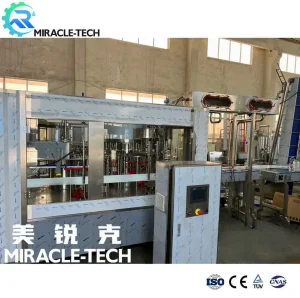
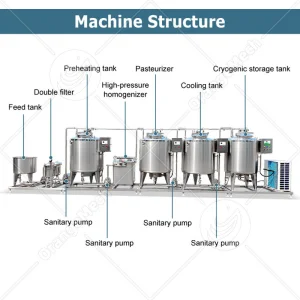
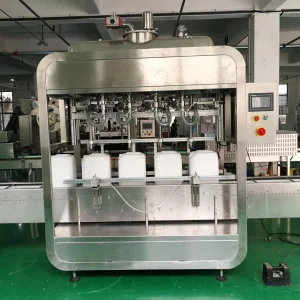
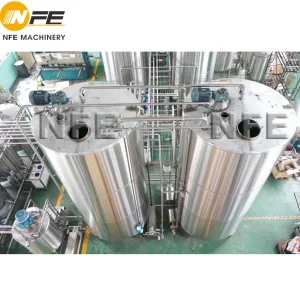
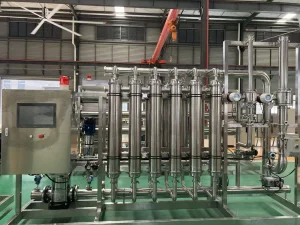
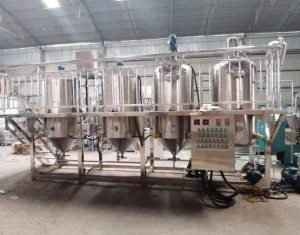
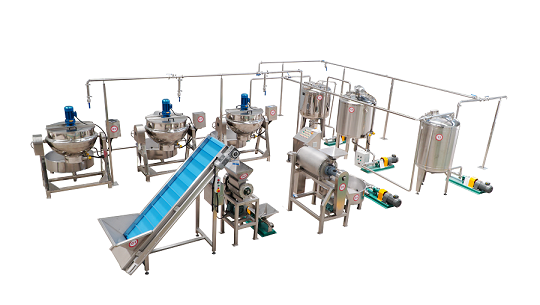
Thermal preservation remains the primary methodology for achieving commercial sterility in liquid foods. By applying high-temperature short-time (HTST) or ultra-high temperature (UHT) protocols, CarniTe’s pasteurization lines target vegetative pathogens while preserving the flavor profiles and vitamin structures of milk and juices. The integration of high-pressure heat exchangers and batching tanks allows rapid heat transfer, minimizing thermal stress on the product matrix.
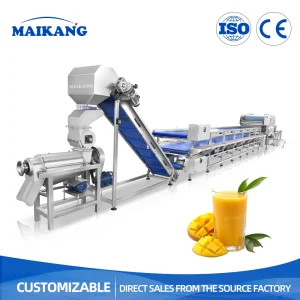
Mechanical separation acts as a preservation step by removing suspended solids, yeasts, and bacteria from raw extracts. The cold press juicing system isolates liquids without generating heat, avoiding the oxidation of vital nutrients. For longer shelf stability, fruit wine clarification systems filter out proteins and pectin matrices that could precipitate and foster spoilage microflora during storage.
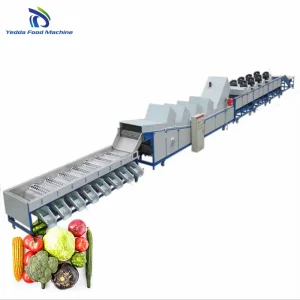
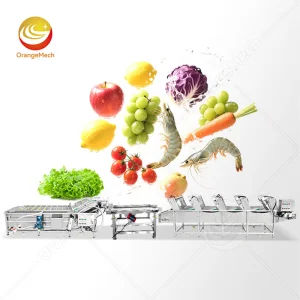
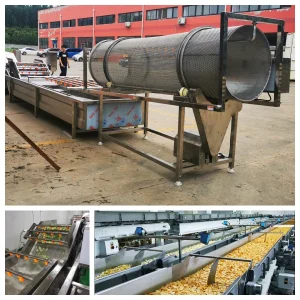
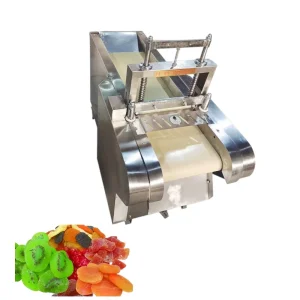
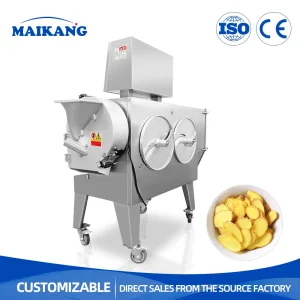
Preservation begins with sorting and grading. A precise grading line segregates bruised or damaged produce from the premium harvest, preventing systemic rot in storage containers. Continuous washing, peeling, and dicing lines prepare root vegetables and fruits for subsequent freezing (IQF) or thermal processing. Our industrial cutting and dicing systems provide clean cuts that minimize cellular rupturing, which in turn reduces juice loss and prevents enzymatic browning.
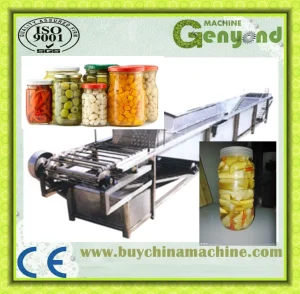
Fermentation acts as a natural preservation technique. The acetic acid production line relies on optimized bio-reactors that convert alcohols into vinegar, establishing a highly stable, low-pH solution that naturally repels contaminants. For vegetables like cucumbers, pickling processing lines regulate brine penetration to secure long-term preservation without requiring synthetic additives.
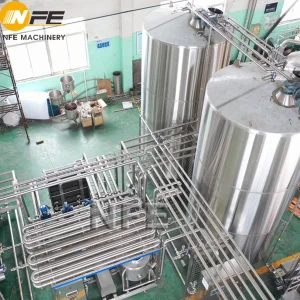
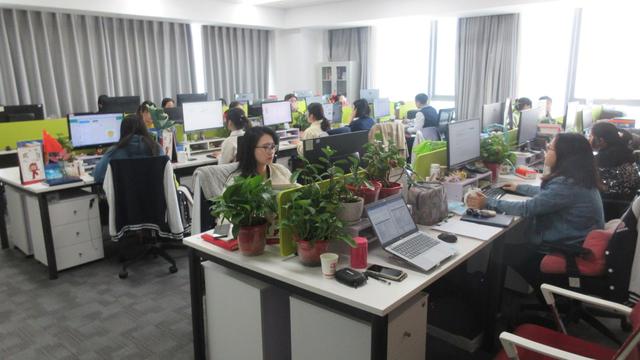
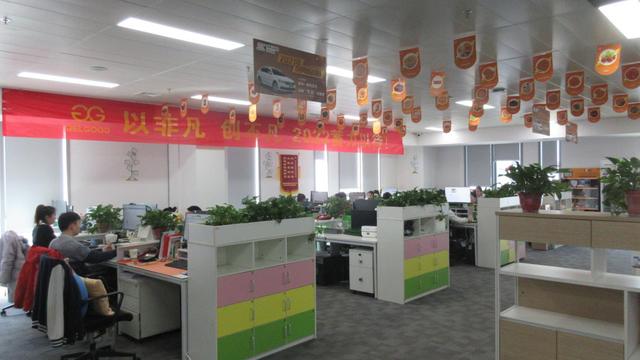
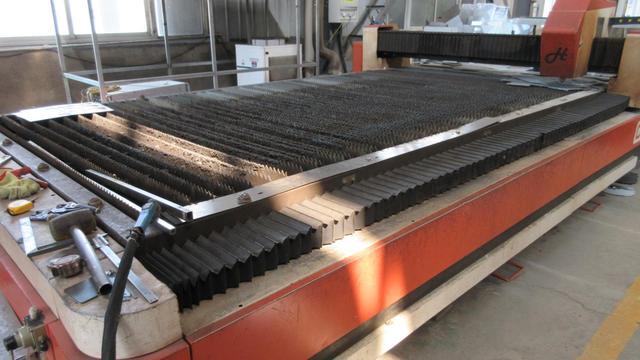
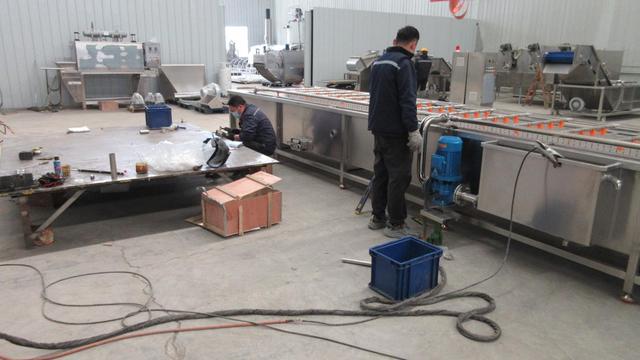
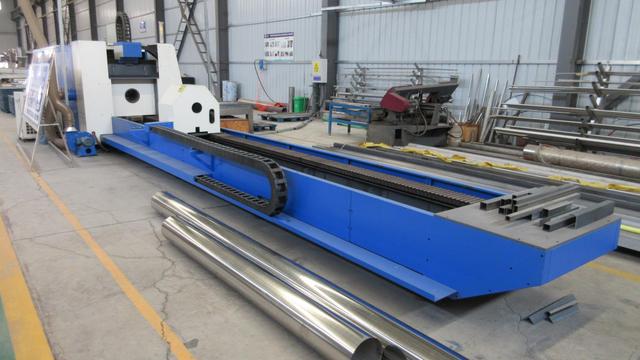
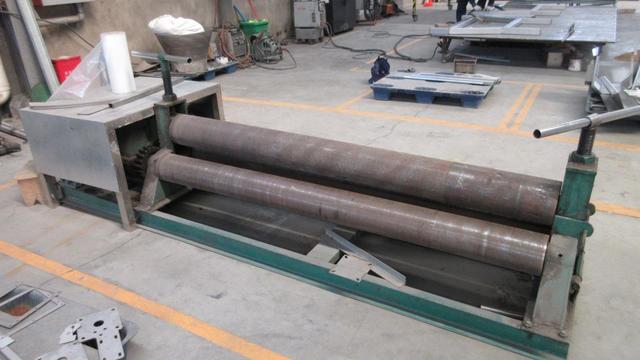
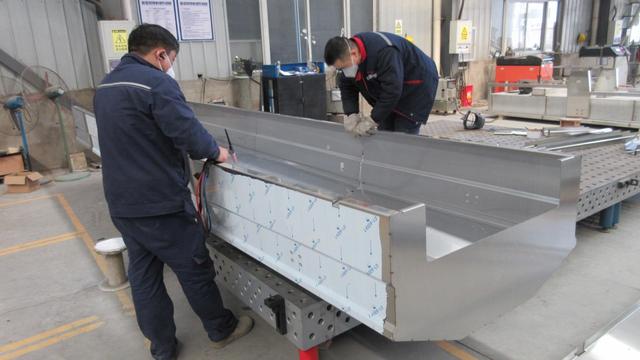
Inside CarniTe’s advanced fabrication plant, showing custom stainless steel engineering, CNC machining, and inspection modules.

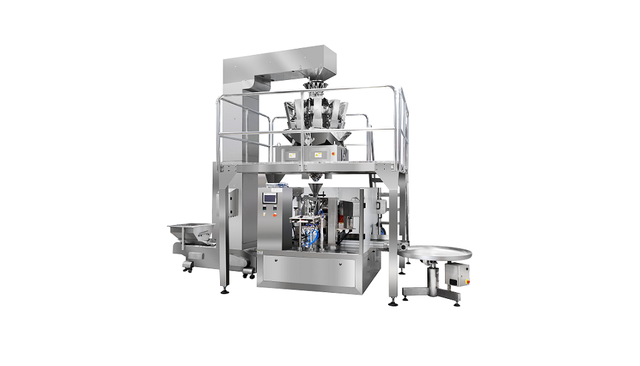
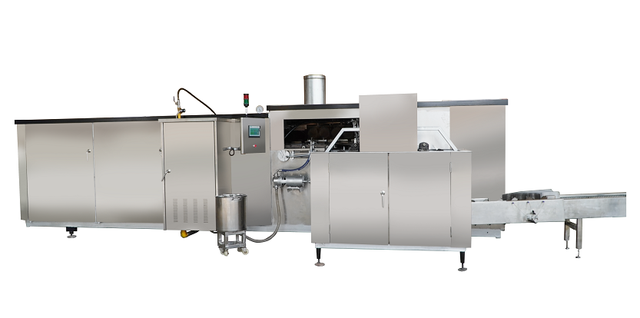
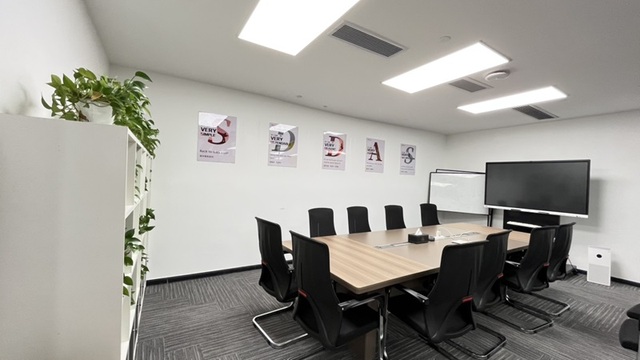
Navigating the global food machinery trade requires a thorough understanding of localized regulatory environments. Processing units exported to the European Union must conform to Machinery Directive 2006/42/EC and display CE certification, while systems for the North American market must meet USDA-FDA standards and conform to ASME pressure vessel directives for thermal chambers.
CarniTe addresses these local regulatory requirements through customized engineering. From material certification sheets (verifying SUS304/SUS316L grades) to electrical configurations (UL-listed panels, variable frequency drives calibrated to regional voltage standards), every processing line is configured to pass local health inspections.
To prevent unplanned downtime in high-throughput food factories, CarniTe maintains a global supply network for critical wear components (including seals, sanitizing sprayers, cutting blades, and sensors). Localized engineering partnerships across key export regions allow us to provide remote telemetry diagnostics and prompt on-site technical support.
The future of industrial food preservation is built on digital transformation and resource conservation. CarniTe is actively developing next-generation systems centered on three primary innovation fronts:
Future processing lines will feature embedded sensor networks that continuously monitor critical variables, such as thermal pasteurization parameters, flow rates, and filling weights. Our engineering goal is to enable predictive maintenance alerts that detect wear in valves or heat-exchanger plates before it impacts production uptime or compromises food safety.
As energy costs rise, optimizing thermal recycling becomes essential. CarniTe is refining heat recovery loops in pasteurizers and blanchers to reuse waste heat, reducing the steam demand of thermal units. Additionally, we are implementing low-consumption, multi-stage wash systems that filter and recirculate process water, reducing total fresh water intake.
Incorporating high-speed machine vision arrays allows grading systems to analyze raw materials with high precision. Using optical sortation models, our upcoming grading systems can identify subtle skin blemishes, internal hollow spaces, and minor structural defects in fruits and vegetables, ensuring only premium produce advances to downstream preservation stages.
Explore our specialized heavy-duty machinery built for long-term operational success.
 CarniTe Machinery