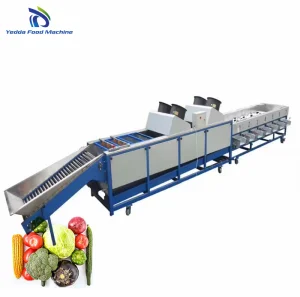
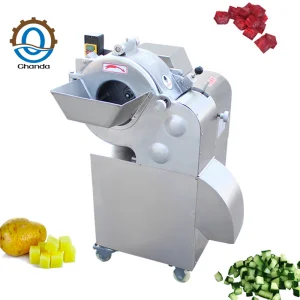
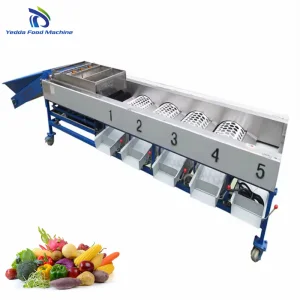
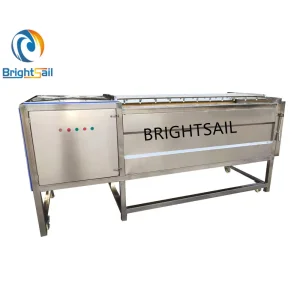
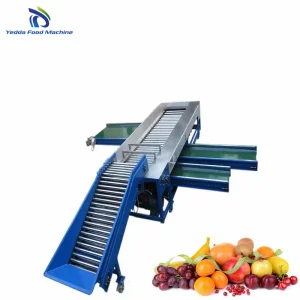
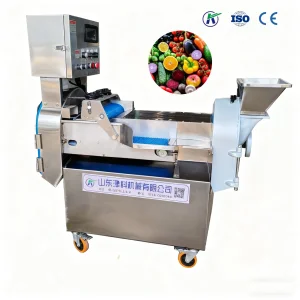
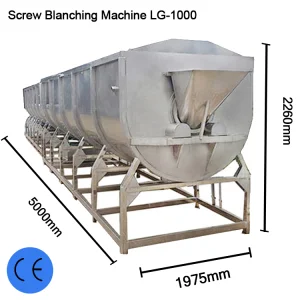
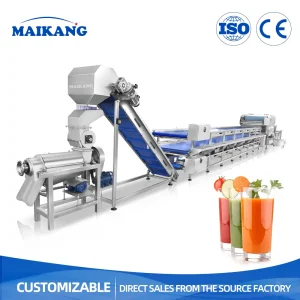
Explore our premium grade selection of industrial washing, sorting, cutting, and filtration machinery designed for modern food and beverage production lines.
An in-depth analysis of the shift from manual manufacturing to autonomous, AI-driven processing lines.
The global food processing automation sector has transitioned from a competitive advantage to an operational necessity. Driven by rising labor costs, stricter FDA and European hygienic standards, and the mandate for high-velocity supply chains, food manufacturers worldwide are implementing smart engineering frameworks. Modern automation systems integrate PLC-controlled cleaning-in-place (CIP), robotic pick-and-place packaging, optical sorting algorithms, and automated thermal processing lines.
Throughput optimization and contamination reduction are key drivers. Commercial operations in Europe, North America, and Asia-Pacific are progressively upgrading legacy infrastructure to support fully enclosed, stainless-steel (SUS304/SUS316L) food preparation systems. The focus is to eliminate human touchpoints during sorting, peeling, slicing, and packaging, dramatically reducing risks associated with foodborne pathogens while establishing predictable, repeatable daily yields.
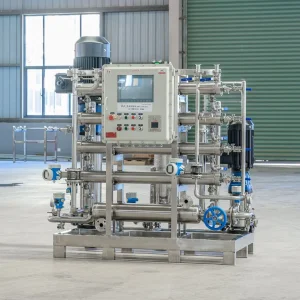
Furthermore, energy conservation has entered the design phase. Manufacturers are no longer just measuring units processed per hour; they are evaluating the carbon and water footprint of each run. Systems utilizing membrane filtration (such as reverse osmosis and nano-filtration) allow factories to recycle process water, while variable-frequency drive (VFD) motors on industrial vegetable peeling and cutting machinery minimize electricity draws during production lulls.
The leading global engineering firms providing enterprise-level food processing machinery and smart factory solutions.
Renowned for meat, poultry, and fish processing systems, Marel designs advanced automated portioning, batching, and weighing lines. Their high-capacity software platforms, such as Innova, provide real-time monitoring and control over entire plant activities.
Specializing in liquid and solid food technologies, GEA excels in pasteurization, spray drying, and aseptic filling loops. Their CIP (Clean-in-Place) sanitary valves and high-performance separator lines set industry benchmarks globally.
John Bean Technologies (JBT) dominates in high-pressure processing (HPP), automated sterilization, and industrial fruit processing equipment. They specialize in turn-key systems for citrus extraction and large-scale freezing tunnels.
CarniTe Machinery is a leading engineering powerhouse specializing in automated fruit and vegetable processing lines, large-scale potato processing plants, and advanced mixing systems. CarniTe offers competitive turnkey ODM/OEM solutions utilizing robust stainless steel architectures, integrated automation controls, and eco-friendly membrane systems.
The industry benchmark for grain, flour, and chocolate processing technology. Bühler's optical sorting machines utilize advanced multispectral cameras to identify and sort contaminants with sub-millimeter precision.
The global standard-bearer in liquid food packaging and processing. Tetra Pak’s fully integrated processing lines combine homogenizers, pasteurizers, and aseptic filling lines designed to minimize food waste and optimize utility consumption.
Krones is a premier provider of automated bottling and packaging lines for the beverage industry. Their high-capacity rotary fillers, labeling systems, and automated warehouse logistics systems process millions of bottles per day.
A global leader in packaging solutions, Multivac specializes in thermoforming, traysealers, and chamber vacuum systems for fresh food, extending shelf life without compromising product integrity.
Specialists in digital sorting, conveyoring, and processing equipment. Key Technology's optical sorters utilize laser-induced fluorescence and hyperspectral imaging to inspect processed products at high speeds.
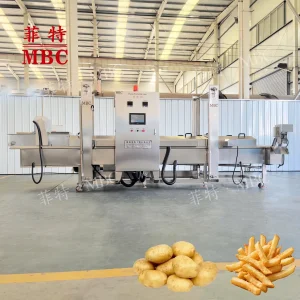
Specializing in industrial frying systems, thermal cooking systems, and product seasoning lines. Their industrial potato chip and french fries processing equipment features advanced thermal oil heating loops for optimal temperature control.
How Dongguan CarniTe Machinery Co., Ltd. matches global quality standards with efficient industrial localization.
Dongguan CarniTe Machinery Co., Ltd. is a professional manufacturer specializing in fruit and vegetable processing equipment and integrated industrial food processing solutions. The company focuses on the research, development, production, and global supply of advanced processing lines for fruits, vegetables, and related food products. With strong engineering capability and industry experience, CarniTe Machinery delivers turnkey solutions that ensure efficient, hygienic, and scalable food production.
China's industrial food machinery sector, anchored by clusters in manufacturing hubs like Dongguan, offers distinctive competitive advantages. CarniTe leverages highly integrated manufacturing supply chains to execute precise component engineering, utilizing premium raw materials and high-grade electronics (such as Siemens PLCs and Omron components) at optimized costs. This structural efficiency translates directly to high capital-efficiency yields for global procurement directors.
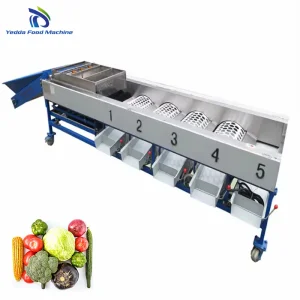
Core systems designed by CarniTe include washing, sorting, peeling, cutting, juicing, pulping, blanching, freezing, drying, and packaging lines, widely applied in food factories, beverage plants, and agricultural processing industries. The company is committed to improving production efficiency, reducing labor costs, and maintaining consistent product quality through automation and intelligent control technologies.
By maintaining strict quality standards and complying with international manufacturing requirements, CarniTe provides tailored OEM and ODM customization services designed for various plant footprints and output requirements. Whether scaling production capacity to 3 tons per hour or engineering advanced membrane filtration plants, their robust manufacturing pipeline assures reliable operational performance.
Compliance with FDA, GMP, and EU machinery directives. Designed with SUS304 stainless steel and sanitary pipe fittings to ensure microbiological safety.
Comprehensive design solutions customized to fit existing plant layouts, complete with process piping, electrical wiring diagrams, and central automation systems.
Continuous R&D investments optimize equipment stability and energy efficiency, paired with responsive troubleshooting and technical staff training.
By combining innovation, reliability, and customer-focused engineering, CarniTe Machinery continues expanding its footprint into Asia, Europe, the Middle East, and the Americas, aiming to become a trusted global partner in food processing automation. Their engineers invest heavily in R&D to upgrade processing technology, improve energy efficiency, and enhance equipment stability, while providing comprehensive after-sales support, installation guidance, and technical training to ensure long-term operational success for global customers in diverse food manufacturing environments.
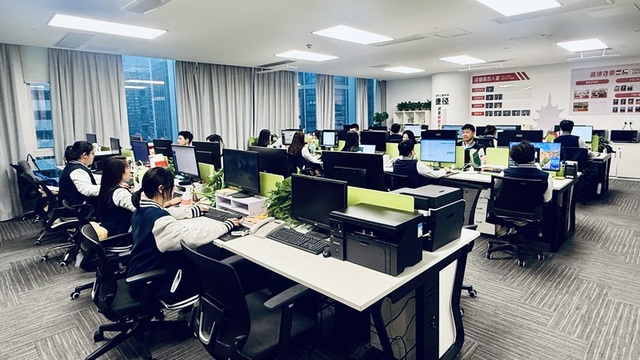
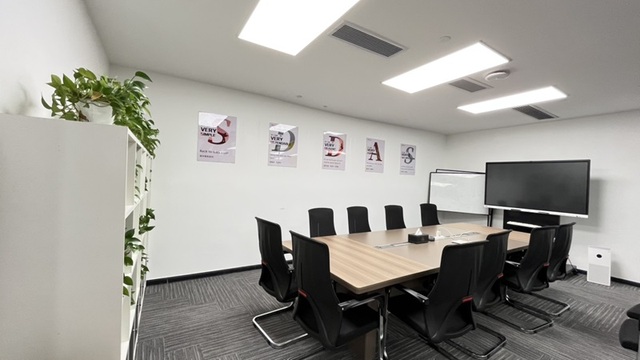
Take an inside look at our advanced manufacturing floor, standard CNC precision machines, and test facilities.
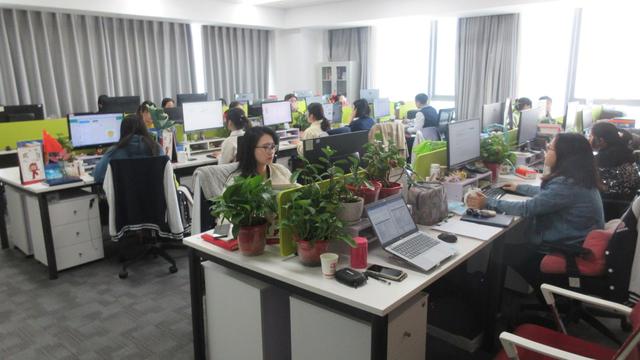
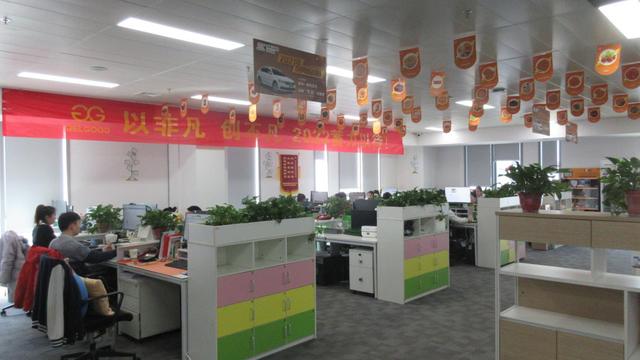
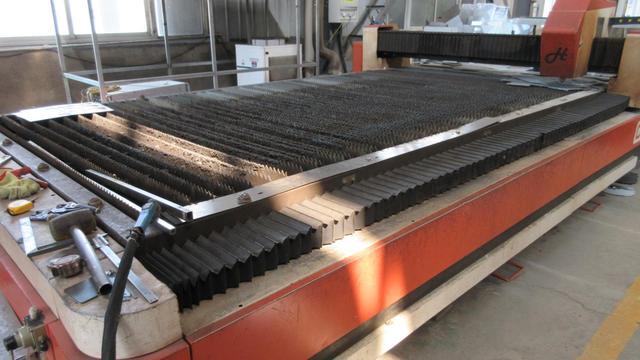
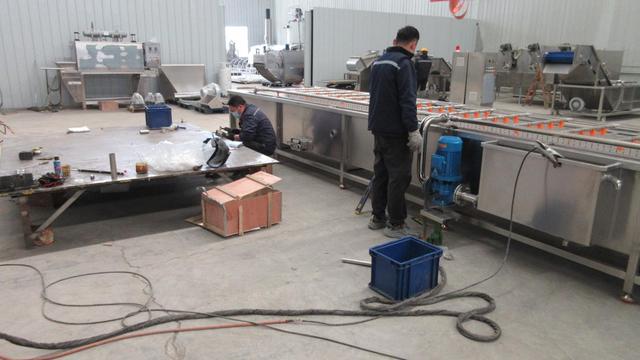
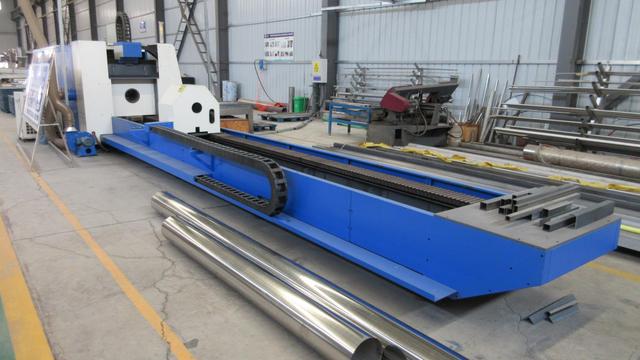
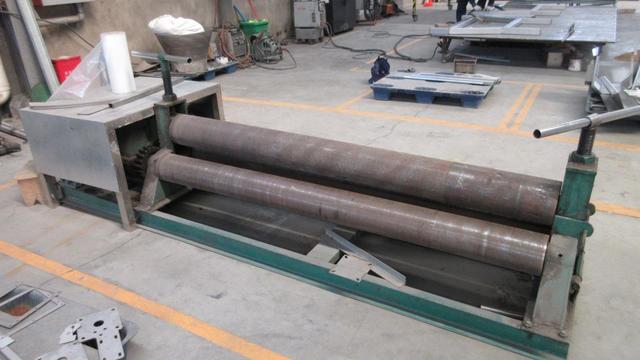
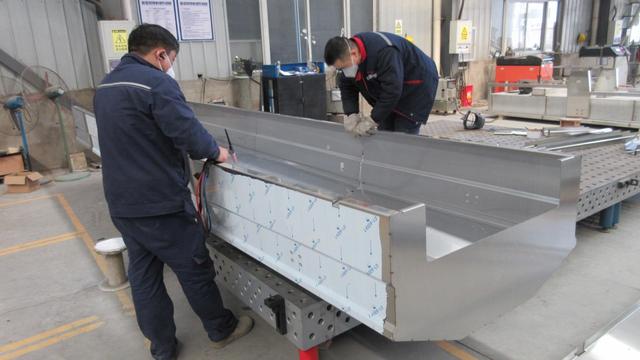
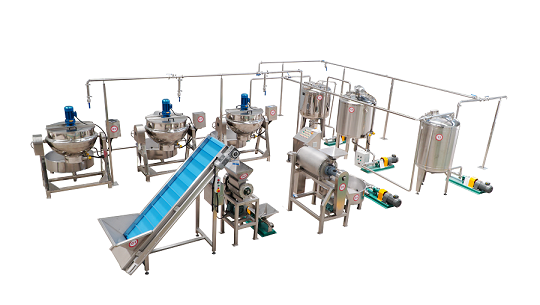
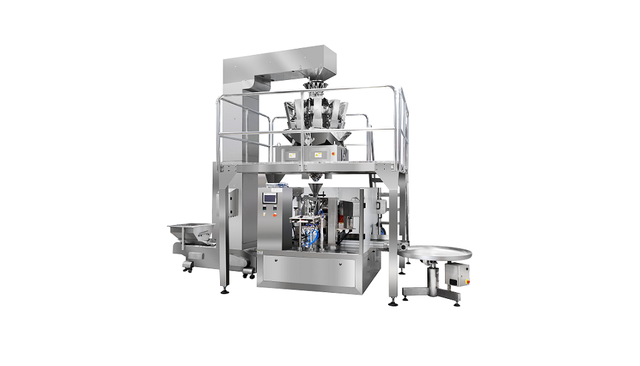
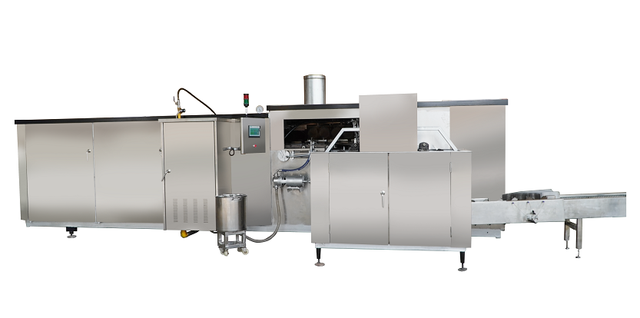
Optimized machinery architectures must address the unique requirements of specific raw materials. Below are the primary application scenarios for automation systems:
Procuring plant machinery requires calculating the Total Cost of Ownership (TCO) rather than just initial purchase cost. When assessing bids from food processing manufacturers, engineering teams should prioritize the following parameters:
Essential guidance on automation parameters, design certifications, and global deployment.
Grade 304 stainless steel is the general industry standard for food contact zones. For highly acidic food products, brines, or systems requiring aggressive chemical cleanings, Grade 316L stainless steel is utilized due to its superior corrosion resistance and pitting prevention.
CIP stands for Clean-in-Place. It is a system that pumps cleaning solutions, sanitizers, and rinse water through internal product circuits without needing to disassemble pipes and vessels. It ensures consistent sanitation, reduces labor, and minimizes downtime.
CarniTe Machinery uses precise manufacturing techniques, including laser cutting and robotic welding, along with internationally sourced electrical components. This configuration delivers highly reliable machinery that conforms to global standards at optimized prices.
Optical sorting machinery uses high-resolution cameras and sensors to scan products on high-speed belts. An automated air-jet system then removes defective products or foreign materials, ensuring high product consistency.
Complete your processing lines with high-capacity root crop dicers, sorting machines, and high-performance washers.
 CarniTe Machinery