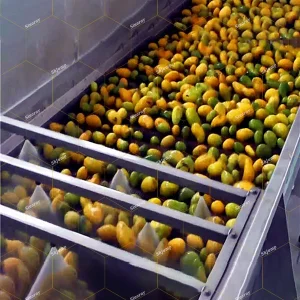
High-efficiency, sanitary-grade machinery designed to meet rigorous HACCP and FDA guidelines
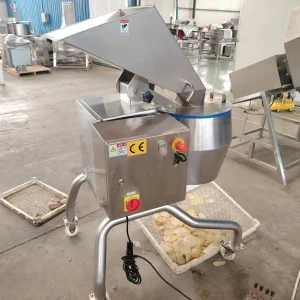
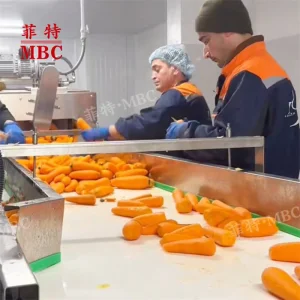
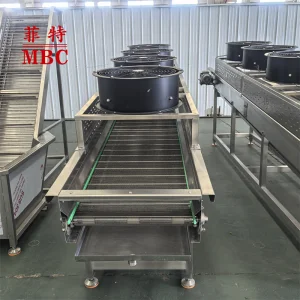
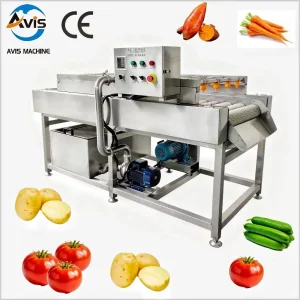
Modern food processing calls for strict food safety guidelines, pushing manufacturers to continuously refine hygiene and automation protocols. Regulations like the FDA’s Food Safety Modernization Act (FSMA) in the United States and the EU’s Regulation (EC) No 852/2004 demand high accountability across the entire food supply chain. Today, food safety equipment is no longer evaluated just on mechanical yield. It is critically assessed on its sanitary design, CIP (Clean-In-Place) efficiency, material passivity, and automation capability.
This industry whitepaper explores the operational practices of the world’s leading food safety equipment suppliers. It focuses on the manufacturing shifts that enable food factories to reduce contamination risks, optimize water utilization, and secure reliable supply chains in volatile economic environments.
Determining the premier equipment builders requires looking beyond basic product catalogs. Industry procurement teams evaluate manufacturers through four main criteria:
Critical engineering metrics that define modern food-safe production machinery
Strict use of certified AISI 304 and AISI 316L stainless steel. High chemical resistance prevents pitting and galvanic corrosion from acidic foods and harsh sanitizers.
Incorporates sloped surfaces to prevent water accumulation, hollow structures filled or hermetically sealed, and rounded internal radii (minimum 3mm) to eliminate microbial harborage.
Clean-in-Place (CIP) systems with targeted spray balls and high-velocity return paths. Reduces chemical waste and cuts down manual cleaning labor by up to 70%.
Dongguan CarniTe Machinery Co., Ltd. is a professional manufacturer specializing in fruit and vegetable processing equipment and integrated industrial food processing solutions. The company focuses on the research, development, production, and global supply of advanced processing lines for fruits, vegetables, and related food products. With strong engineering capability and industry experience, CarniTe Machinery delivers turnkey solutions that ensure efficient, hygienic, and scalable food production.
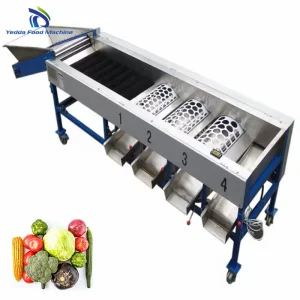
Their core systems include washing, sorting, peeling, cutting, juicing, pulping, blanching, freezing, drying, and packaging lines, widely applied in food factories, beverage plants, and agricultural processing industries. The company is committed to improving production efficiency, reducing labor costs, and maintaining consistent product quality through automation and intelligent control technologies.
Dongguan CarniTe Machinery Co., Ltd. maintains strict quality standards and complies with international manufacturing requirements. It provides OEM and ODM customization services tailored to different capacities and production needs.
By combining innovation, reliability, and customer-focused engineering, the company continues expanding into Asia, Europe, the Middle East, and the Americas, aiming to become a trusted global partner in food processing automation.
The company also invests heavily in research and development, continuously upgrading processing technology, improving energy efficiency, and enhancing equipment stability, while providing comprehensive after-sales support, installation guidance, and technical training to ensure long-term operational success for global customers in diverse food manufacturing environments.
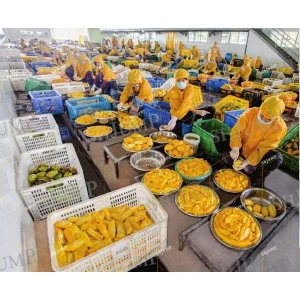
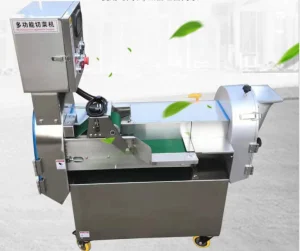
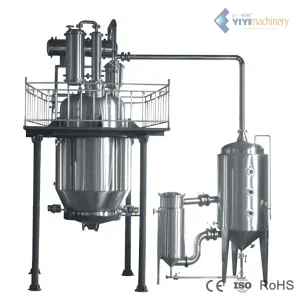
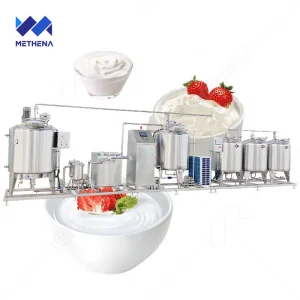
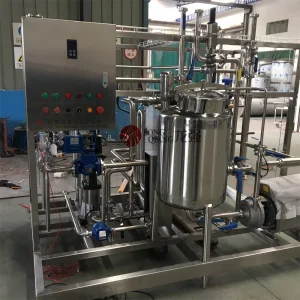
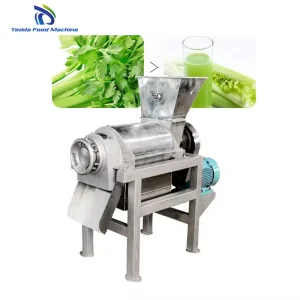
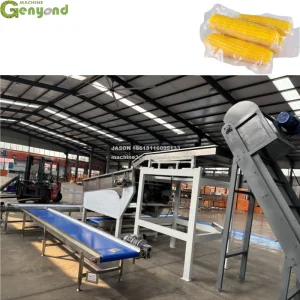
Authentic views of Dongguan CarniTe Machinery's precision engineering, assembly halls, and specialized food processing units:
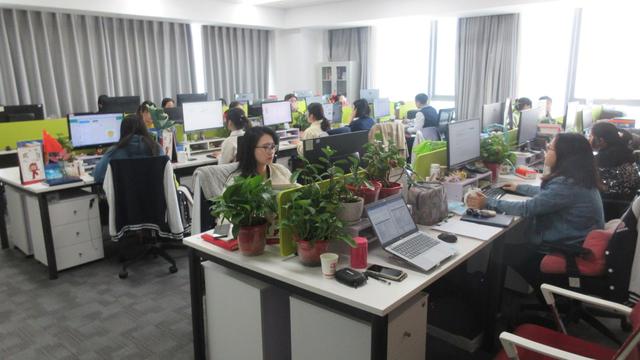
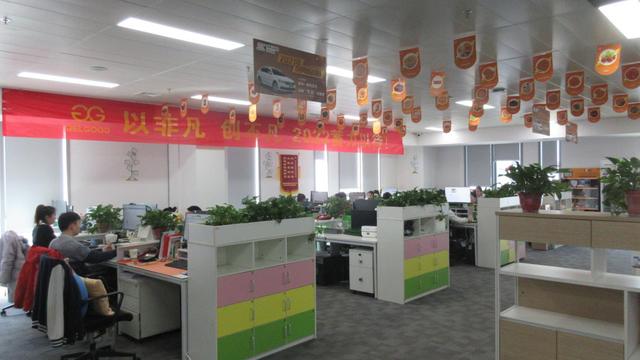
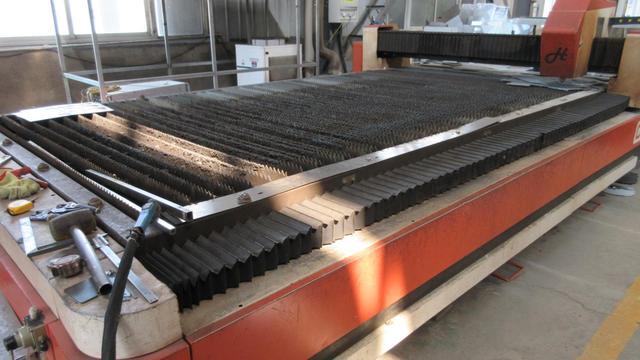
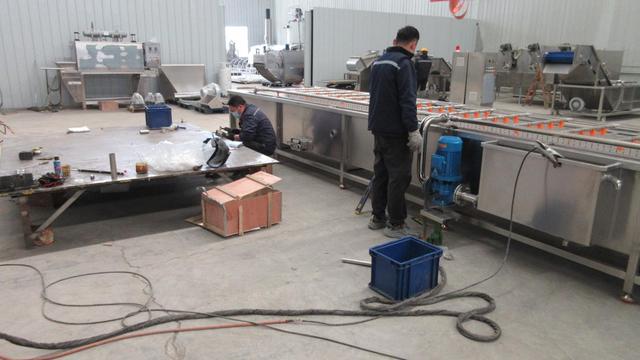
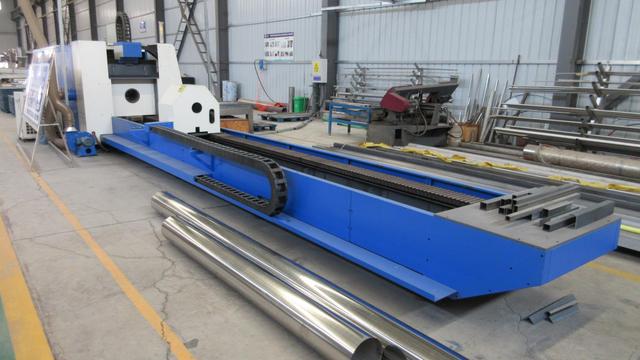
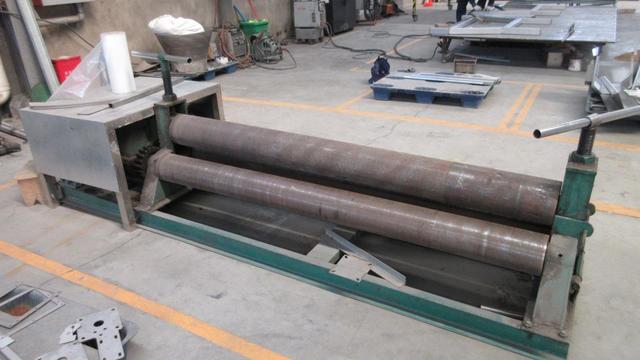
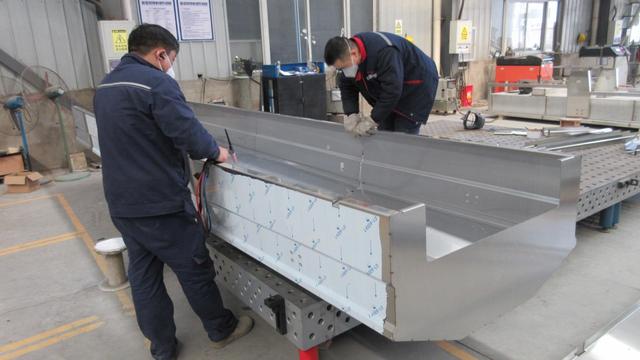
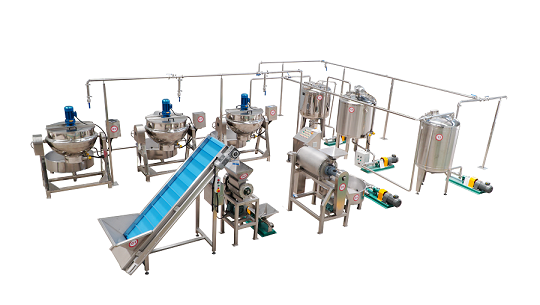
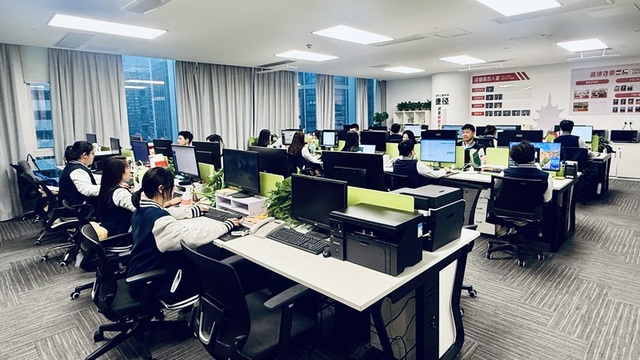
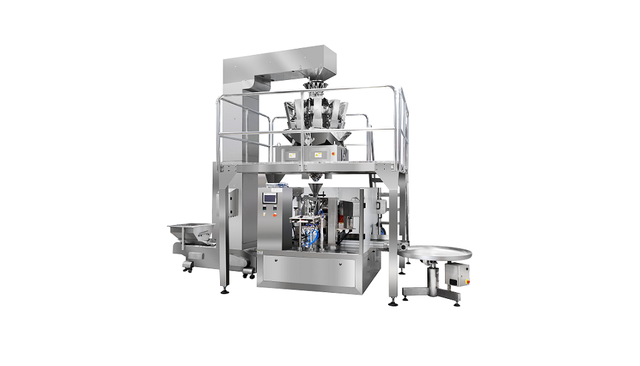
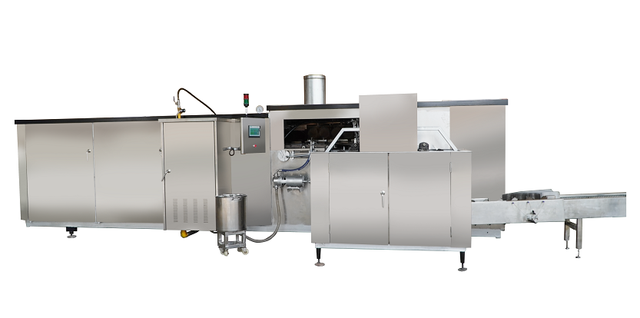
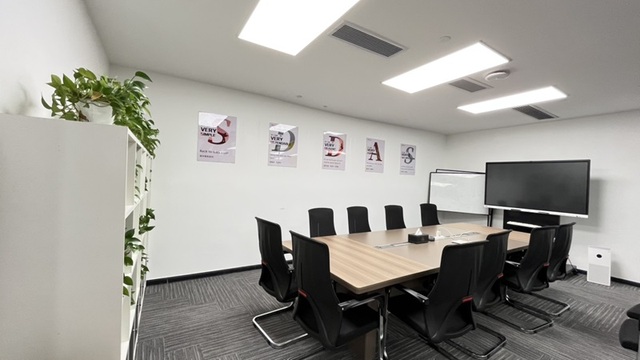
Modern Chinese manufacturing facilities have moved beyond simply offering cost-performance. Leading factories now integrate digital infrastructure, precision laser cutting, and robotic welding to guarantee high quality and consistency across complex equipment orders.
This industrial transition is characterized by:
Purchasing machinery internationally requires thorough risk-management protocols. Procurement leads focus on compatibility, spare parts availability, and technical support access:
The food safety equipment sector is seeing swift changes, driven by energy efficiency goals and AI integration. The industry is currently moving along three main pathways:
Advanced optical sorting systems now use AI to identify blemishes, shape deviations, and foreign objects. Integrating high-speed multi-spectral cameras allows processors to sort massive volumes of raw produce while removing contaminants before they reach the packing stage.
With water scarcity rising globally, automated washing systems are being equipped with multi-stage water recovery and recycling systems. Advanced filtration units filter, sanitize, and recycle wash water, reducing overall water intake in large-scale processing facilities by up to 50%.
Modern control interfaces leverage secure cloud connectivity. This allows factory engineers and technical support teams to monitor processing parameters, troubleshoot PLCs, and update operational software remotely.
Answering key technical questions regarding material specifications, hygienic maintenance, and international compliance
High-throughput sorting, extraction, and processing machinery engineered for global food production facilities
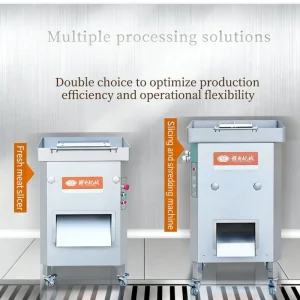
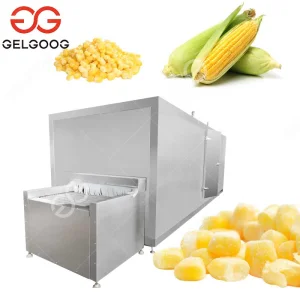
 CarniTe Machinery