The global juice market is undergoing a paradigm shift. Consumers no longer settle for "concentrate." The demand for NFC (Not From Concentrate) and Cold-Pressed juices has skyrocketed, pushing manufacturers to innovate in juicing technology. As of 2024, the industrial juicing equipment market is valued at billions, driven by health-conscious demographics and the expansion of the "Clean Label" movement.
Modern juicing technology is no longer just about extraction; it's about preserving the nutritional integrity, enzyme activity, and organoleptic properties of the fruit. This has led to the dominance of Hydraulic Cold Pressing and High-Pressure Processing (HPP). Leading manufacturers are now focusing on integrating AI-driven sorting and enzymatic yield optimization to reduce waste and maximize ROI for food production facilities.
Why are global beverage giants increasingly sourcing their production lines from China? The answer lies in Supply Chain Vertical Integration and Manufacturing Efficiency. Companies like Dongguan CarniTe Machinery Co., Ltd. represent the pinnacle of this evolution.
Chinese factories can move from R&D prototypes to full-scale production in half the time of Western competitors, allowing clients to capture market trends faster.
Using premium components (like Siemens PLC, SUS316L steel) while maintaining lean manufacturing costs results in machines with 2x the value for the same capital expenditure.
Unlike rigid European modular systems, Chinese manufacturers offer "Turnkey Flexibility"—adjusting the line specifically for local fruit varieties like durian, mango, or cassava.
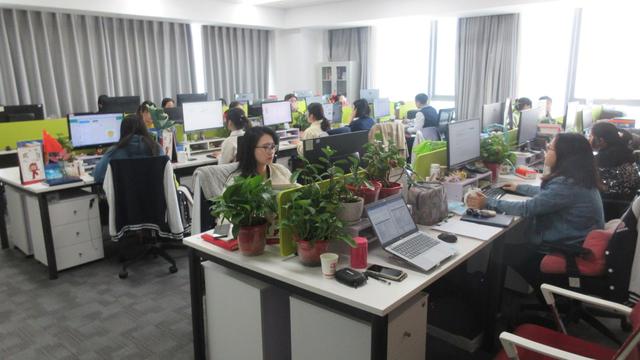
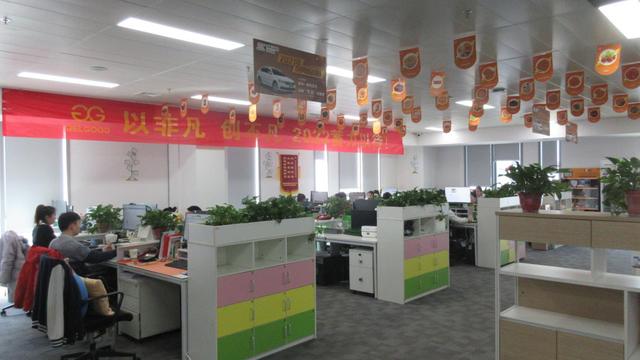
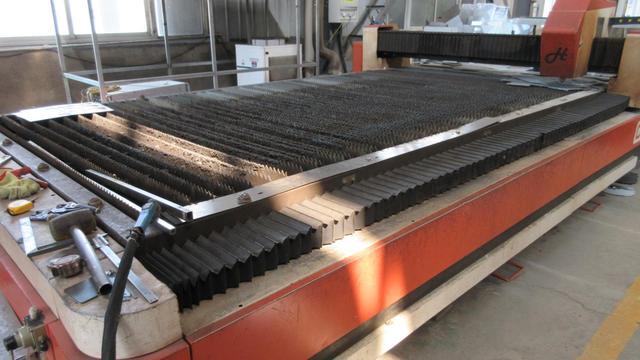
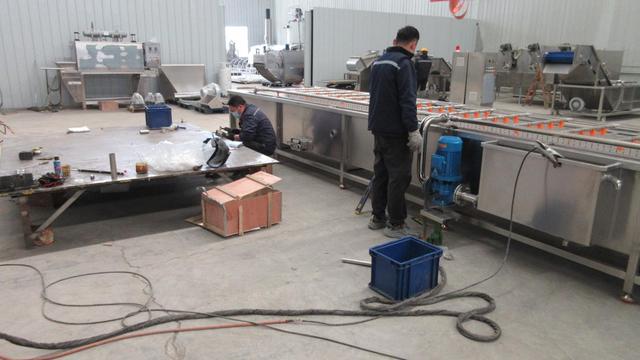
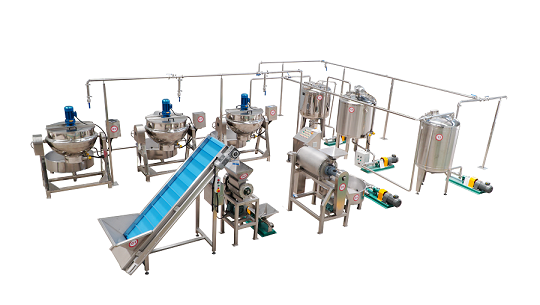
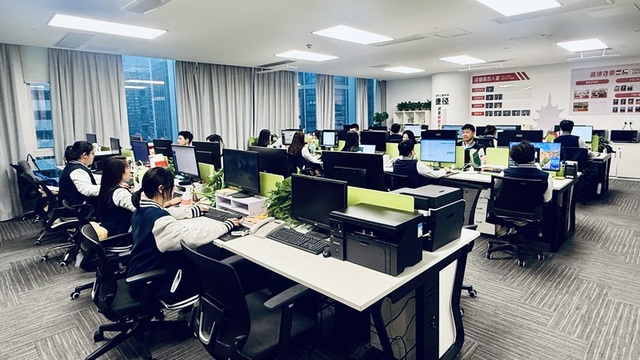
Dongguan CarniTe Machinery Co., Ltd. is a professional manufacturer specializing in fruit and vegetable processing equipment and integrated industrial food processing solutions. The company focuses on the research, development, production, and global supply of advanced processing lines for fruits, vegetables, and related food products. With strong engineering capability and industry experience, CarniTe Machinery delivers turnkey solutions that ensure efficient, hygienic, and scalable food production.
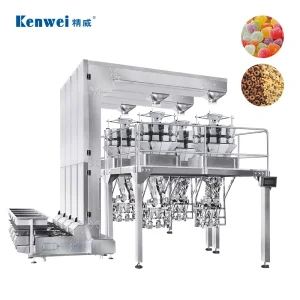
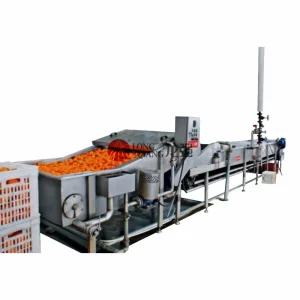
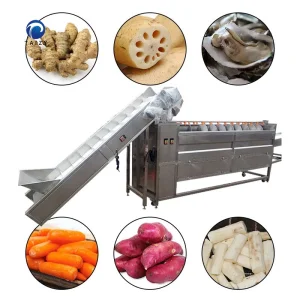
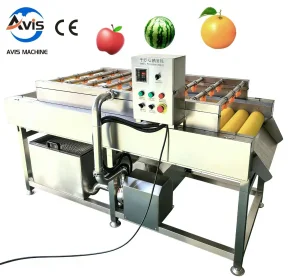
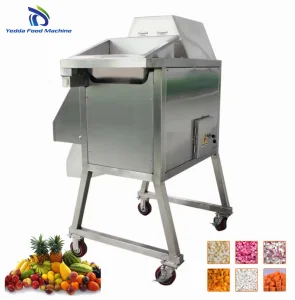
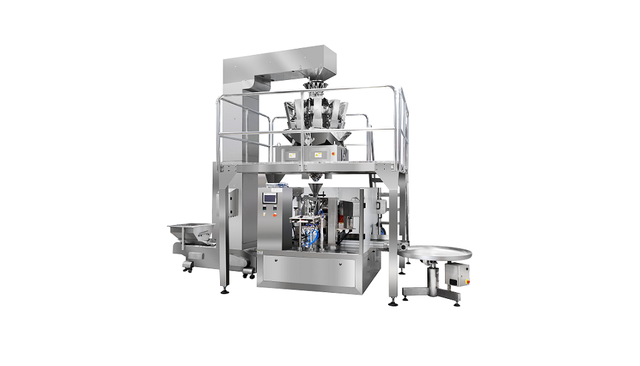
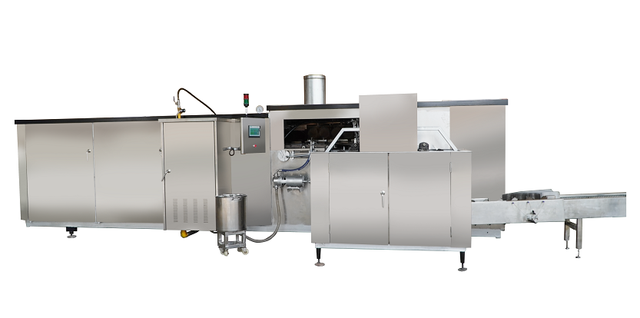
Core systems include washing, sorting, peeling, cutting, juicing, pulping, blanching, freezing, drying, and packaging lines, widely applied in food factories, beverage plants, and agricultural processing industries. The company is committed to improving production efficiency, reducing labor costs, and maintaining consistent product quality through automation and intelligent control technologies.
By combining innovation, reliability, and customer-focused engineering, the company continues expanding into Asia, Europe, the Middle East, and the Americas, aiming to become a trusted global partner in food processing automation. They provide OEM and ODM customization services tailored to different capacities and production needs, maintaining strict quality standards and complying with international manufacturing requirements.
Optical sensors using machine learning to discard fruit with internal bruising before it hits the juicer, ensuring 100% flavor consistency.
Converting pomace (pulp waste) into high-fiber additives or dried snacks using integrated dehydrators.
Factory managers can monitor Brix levels, temperature, and machine health from a smartphone anywhere in the world.
Advanced Clean-In-Place systems that reduce water consumption by 30% during line sterilization.
Continuous hydraulic pressing that overcomes the batch-processing speed limitations of traditional cold presses.
Flash pasteurization that kills pathogens in seconds without "cooking" the juice, preserving vitamins.
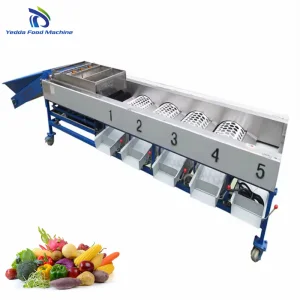
In regions like Southeast Asia or South America, mobile juicing units and robust washing/sorting lines are essential. Processing fruit at the source reduces transport weight and prevents spoilage. CarniTe’s High-Performance Fruit Sorting Systems are critical here.
For high-end juice bars or regional distributors in Europe/USA, the focus is on Cold Press Extraction and Automatic Cup Packaging. Compact footprint and "Plug & Play" integration are the primary procurement drivers.
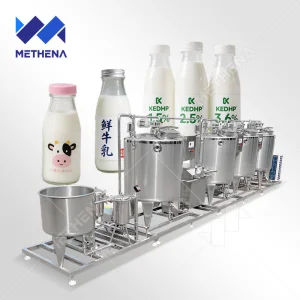
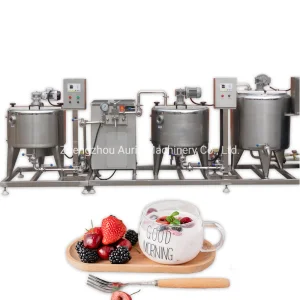
The crossover between juice and dairy (yogurt drinks) or juice and carbonation requires specialized lines like the Carbonated Beverage Production Line or the Automatic Yogurt Production Line, featuring precise PLC mixing.
 CarniTe Machinery