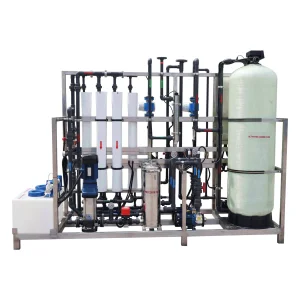
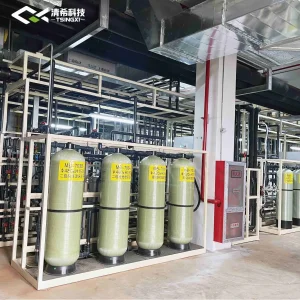
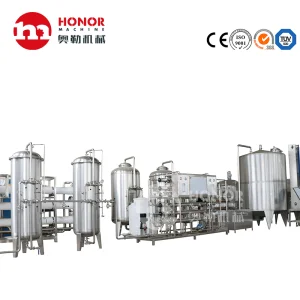
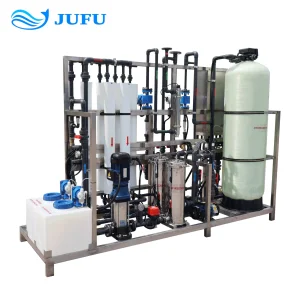
Discover our highly customized, industrial-grade juice extraction and water purification designs optimized for Chittagong's food processing standards and local water parameters.
Analyzing regional production requirements, brackish water challenges, and processing solutions tailored for Chattogram's industrial zones.
Chittagong (Chattogram), the principal seaport and commercial heart of Bangladesh, is witnessing a massive industrial transition. The food and beverage sector in industrial zones such as the Kalurghat Industrial Area, Nasirabad, and the BSCIC Industrial Estates is rapidly upgrading to meet global standards. However, local processors face unique hurdles: high salinity levels in local groundwater aquifers, seasonal turbidity variations due to heavy monsoons, and the urgent necessity to preserve juice flavor profiles, enzyme activities, and nutritional values during high-volume production.
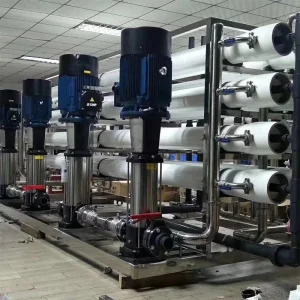
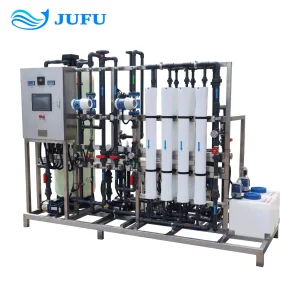
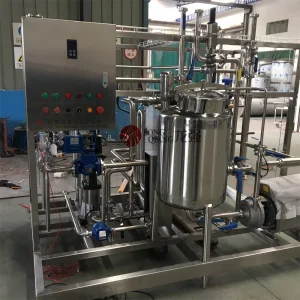
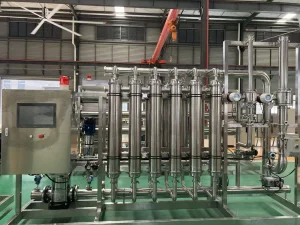
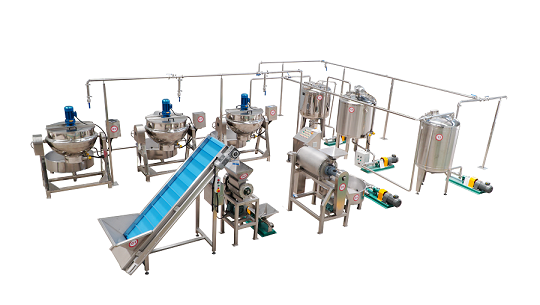
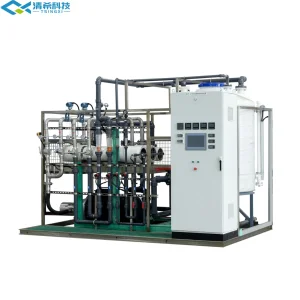
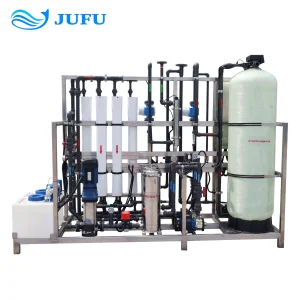
As a global partner in industrial food automation, Dongguan CarniTe Machinery Co., Ltd. steps in to address these challenges with state-of-the-art juice extraction systems and integrated membrane filtration configurations designed specifically for Chittagong's factories. By integrating multi-stage reverse osmosis (RO) and nanofiltration (NF) technologies, our equipment transforms high-salinity source water into pure ingredient water, ensuring consistent beverage taste and full compliance with the Bangladesh Standards and Testing Institution (BSTI).
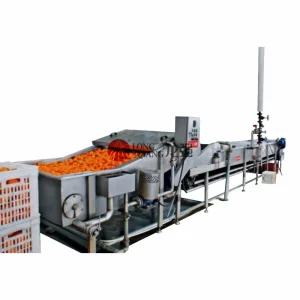
Tropical fruit processing (such as mango, pineapple, and guava common in Chittagong’s hinterlands) requires customized shear forces during extraction. Too much mechanical friction damages the seeds, introducing bitter glucosides and off-flavors into the juice pool. CarniTe's systems leverage low-speed helical screw presses and pneumatic membrane presses that maximize juice yield while minimizing cell walls shear, maintaining raw organoleptic characteristics prior to membrane filtration.
Modern beverage processors require precise filtration. We design our lines according to the following separation matrix:
For clarification. Rejects yeast, molds, suspended pulp solids, and colloidal proteins. It maintains juice stability and prevents "haze" formation in fruit wines and concentrated apple or grape juices without stripping volatile flavors.
Designed for low-temperature concentration and partial demineralization. Nanofiltration allows water and monovalent salts to pass through while retaining sugars, organic acids, and color compounds, minimizing thermal energy costs.
Designed to combat high dissolved solids (TDS) and salinity in water supplies. Essential for diluting fruit concentrates, washing equipment, and boiler feed water. Our systems feature high-flux polyamide composite membranes.
Standard thermal concentration (evaporators) consumes massive amounts of boiler steam. By utilizing a hybrid system of Nanofiltration (NF) + Reverse Osmosis (RO), factories can pre-concentrate fresh juice up to 25-30° Brix at room temperature without phase change. This preserves heat-sensitive vitamins (like Vitamin C) and reduces boiler load by over 60%, aligning with modern sustainability guidelines and cutting operational costs in Chittagong’s competitive energy market.
Operating machinery in South Asia requires durable design parameters. CarniTe’s export models address local environmental factors directly:
Dongguan CarniTe Machinery Co., Ltd. is a professional manufacturer specializing in fruit and vegetable processing equipment and integrated industrial food processing solutions. The company focuses on the research, development, production, and global supply of advanced processing lines for fruits, vegetables, and related food products. With strong engineering capability and industry experience, CarniTe Machinery delivers turnkey solutions that ensure efficient, hygienic, and scalable food production.
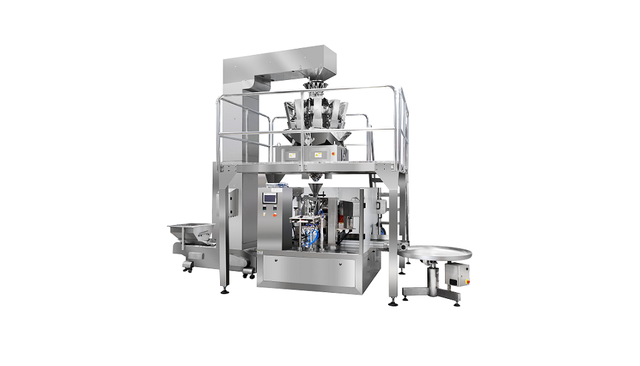
Core systems include washing, sorting, peeling, cutting, juicing, pulping, blanching, freezing, drying, and packaging lines, widely applied in food factories, beverage plants, and agricultural processing industries. The company is committed to improving production efficiency, reducing labor costs, and maintaining consistent product quality through automation and intelligent control technologies.
Dongguan CarniTe Machinery Co., Ltd. maintains strict quality standards and complies with international manufacturing requirements. It provides OEM and ODM customization services tailored to different capacities and production needs.
By combining innovation, reliability, and customer-focused engineering, the company continues expanding into Asia, Europe, the Middle East, and the Americas, aiming to become a trusted global partner in food processing automation.
The company also invests heavily in research and development, continuously upgrading processing technology, improving energy efficiency, and enhancing equipment stability, while providing comprehensive after-sales support, installation guidance, and technical training to ensure long-term operational success for global customers in diverse food manufacturing environments.
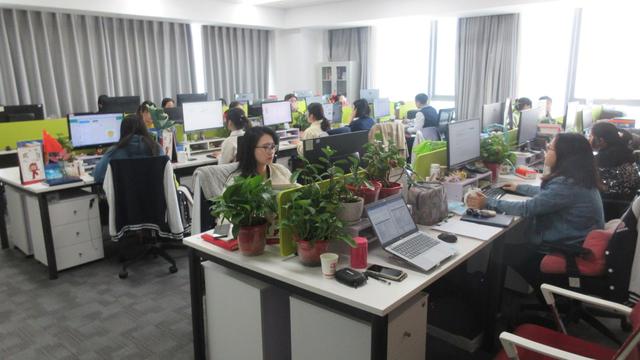
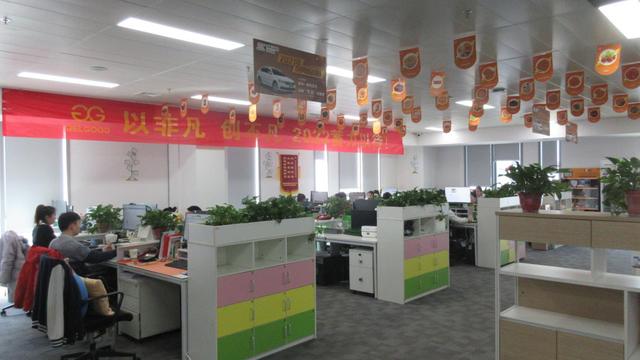
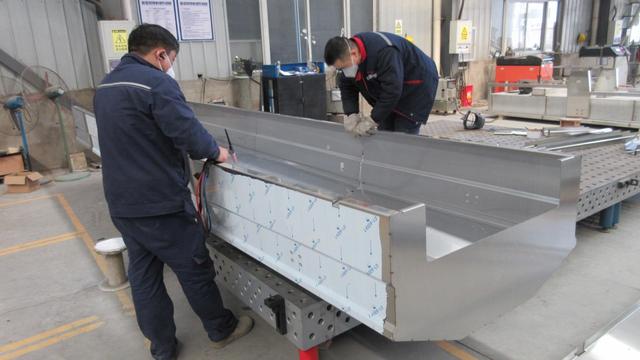
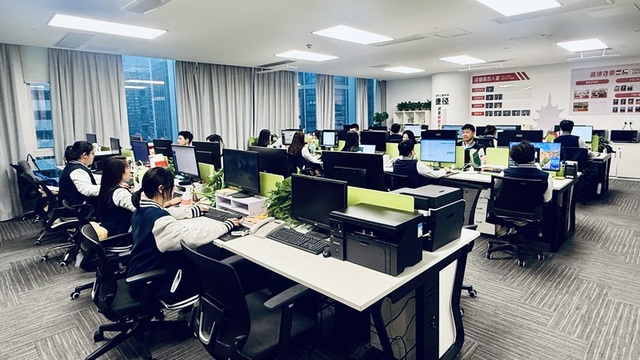
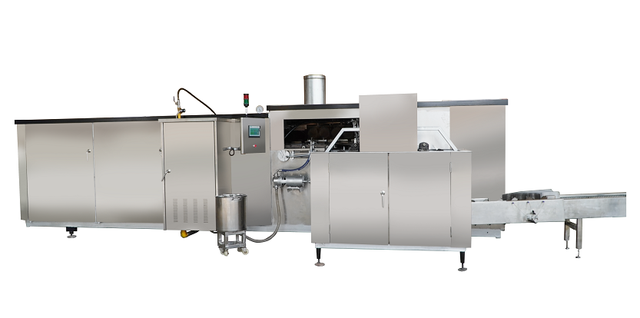
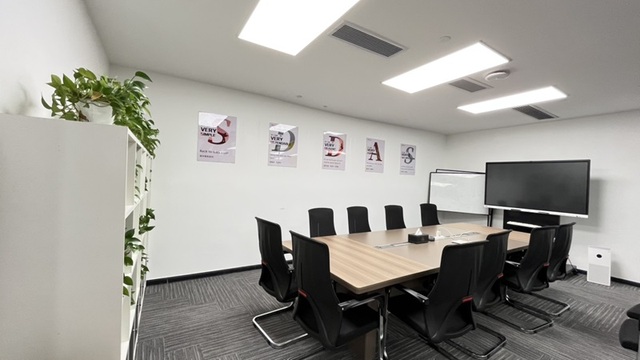
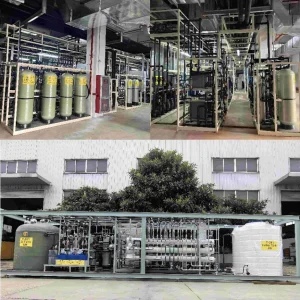
Verified look inside CarniTe's manufacturing facility and processing line production steps.
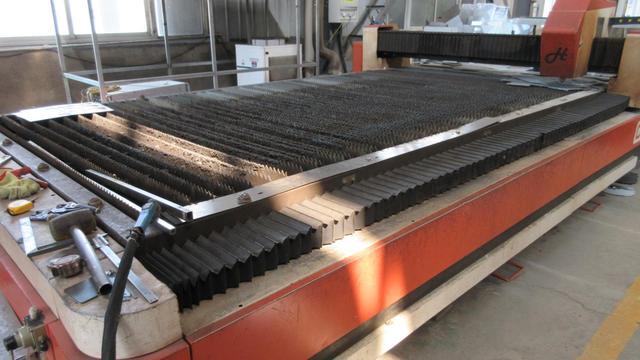
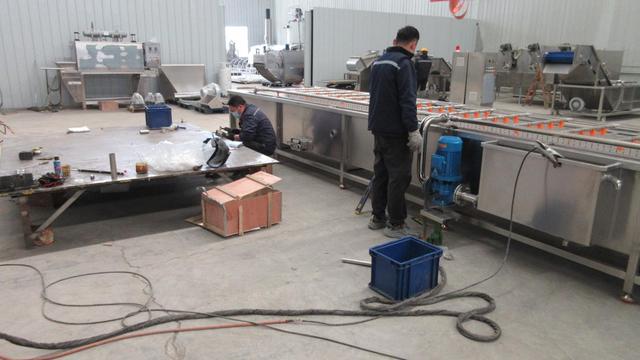
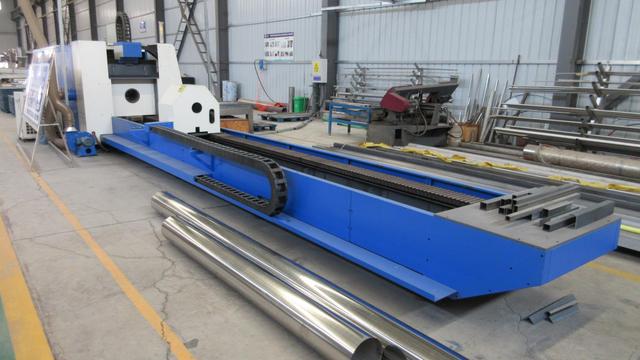
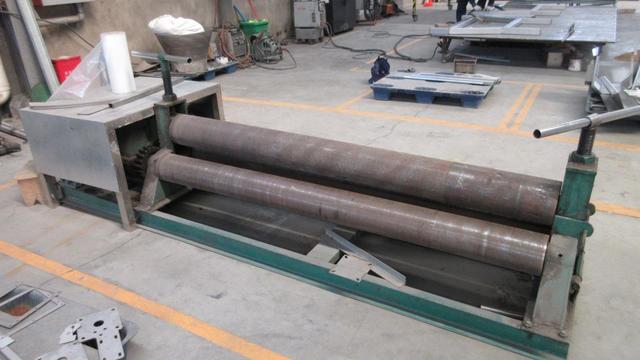
Technical and logistical insights for procurement directors and plant engineers looking to deploy systems in Chittagong.
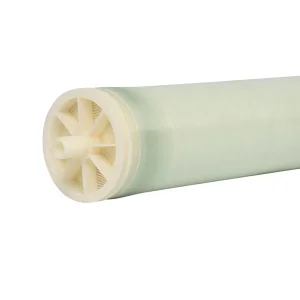
Our brackish water desalination systems utilize specialized high-rejection polyamide thin-film composite (TFC) membranes. These membranes are designed to operate under pressure levels that effectively push fresh water through while rejecting up to 99.4% of sodium, chloride, and other dissolved minerals. This configuration ensures that source water is free from mineral taste interferences before entering juice reconstituting lines.
Yes. Our processing lines are built on modular frames. We provide interchangeable components (such as screw screens, peeling heads, and pulp classifiers) designed to process diverse agricultural goods like mangoes, pineapples, passion fruit, and citrus. These parts can be adjusted to vary pressure and yield parameters based on the specific physical properties of the fruit.
Our systems comply with global sanitary standards including CE certification and FDA guidelines for food-contact metals and polymer seals. We supply food-grade certificates for all piping, gaskets, and membrane elements, helping local factories comfortably pass international audit reviews (such as HACCP, BRC, or ISO 22000).
Standard systems are manufactured within 45 to 60 days. Customized turnkey configurations may require 75 to 90 days. Shipping from Shenzhen or Guangzhou port to Chittagong Port (Chattogram Port) generally takes 12 to 18 days. We send senior engineers to oversee commissioning and train operators on-site once the equipment arrives at your facility.
Select from our comprehensive list of industrial products. All links preserve original manufacturing specifications.
Need custom configuration designs or layout engineering for your Chittagong facility?
Send Inquiry Now CarniTe Machinery