High-performance custom engineering systems designed to scale processing efficiency, minimize material waste, and guarantee airtight sealing compliance.
Pioneering Global Food Processing Automation
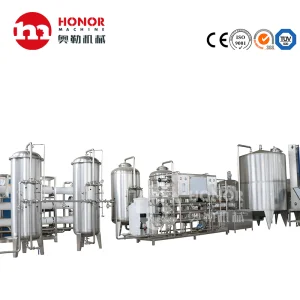
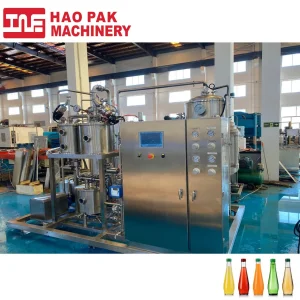
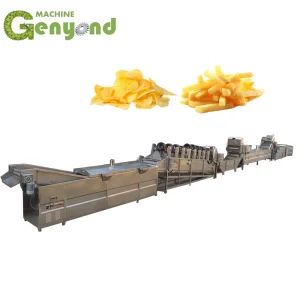
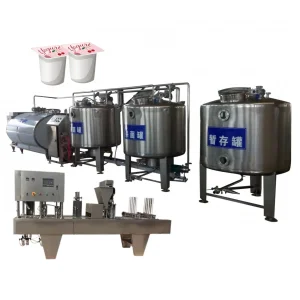
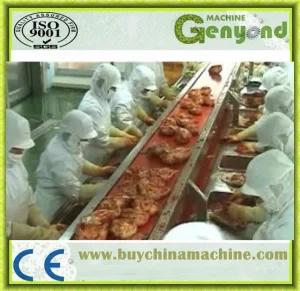
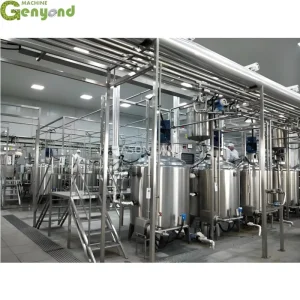
Dongguan CarniTe Machinery Co., Ltd. is a professional manufacturer specializing in fruit and vegetable processing equipment and integrated industrial food processing solutions. The company focuses on the research, development, production, and global supply of advanced processing lines for fruits, vegetables, and related food products. With strong engineering capability and industry experience, CarniTe Machinery delivers turnkey solutions that ensure efficient, hygienic, and scalable food production.
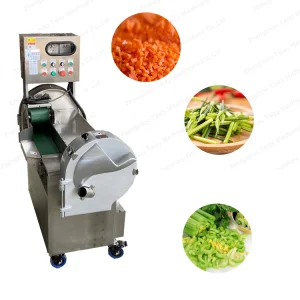
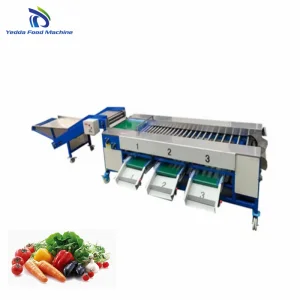
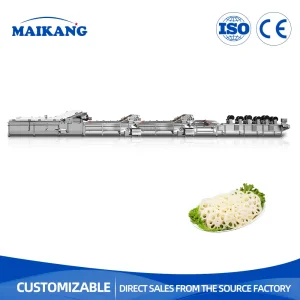
Our core systems include washing, sorting, peeling, cutting, juicing, pulping, blanching, freezing, drying, and packaging lines, widely applied in food factories, beverage plants, and agricultural processing industries. The company is committed to improving production efficiency, reducing labor costs, and maintaining consistent product quality through automation and intelligent control technologies.
By maintaining strict quality standards and complying with international manufacturing requirements, we provide OEM and ODM customization services tailored to different capacities and production needs. We continue expanding into Asia, Europe, the Middle East, and the Americas, aiming to become a trusted global partner in food processing automation.
Unlocking profitability through continuous thermal processing, high-speed rotary seamers, and automated packaging systems.
The global food and beverage packaging sector is undergoing a massive shift toward automation, driven by the demand for extended shelf-life, preservative-free preservation, and high-speed distribution logistics. Industrial canning continues to stand out as a foundational pillar for agricultural optimization, ready-to-drink (RTD) beverages, and emergency food security. For large-scale processing facilities, choosing the correct commercial canning machine is no longer just a question of mechanical procurement—it is a critical investment in overall equipment effectiveness (OEE), labor cost mitigation, and strict regulatory compliance.
Modern canning technologies merge filling and sealing operations into synchronized monoblock or triblock configurations. This prevents exposure to external oxygen, reducing aerobic degradation. High-speed rotary seamers with double-seam technology deform both the can body and end cover in two progressive mechanical operations. This creates a hermetic seal capable of resisting extreme internal pressure differences during subsequent thermal processing phases, such as steam-air retort sterilization.
Exploring integration of IoT, AI diagnostics, and energy-conserving thermal lines in the upcoming generation of canning machinery.
The implementation of smart sensors within seaming chucks and rolls enables real-time force measurement. This means the system can automatically identify minor misalignments or tooling wear before they lead to structural sealing failure. Cloud integration sends processing metrics to SCADA systems, tracking data for downstream validation.
By mounting multi-spectral cameras after the seamer, packaging lines can perform 360-degree high-speed inspection of can flanges, seam height, and labels. Damaged or out-of-tolerance units are automatically rejected via pneumatic pushers without disrupting the overall process flow.
Water-spraying or steam-air retorts are transitioning toward continuous heat regeneration loops. Recovering residual thermal energy from spent steam to preheat incoming municipal water cuts factory carbon footprints by up to 25% while speeding up cycle times.
Why global brands rely on China’s manufacturing cluster ecosystem for food processing systems.
China's packaging machinery sector has evolved from a base of basic parts assembly to an advanced manufacturing ecosystem characterized by extensive vertical integration. In regions like Guangdong, industrial supply chains provide immediate access to raw materials (such as high-grade AISI 304 and 316 stainless steel) and specialized component suppliers, including precision CNC toolings, pneumatic actuators, and electronic control modules. This high concentration of local manufacturing support reduces production lead times and keeps engineering costs competitive.
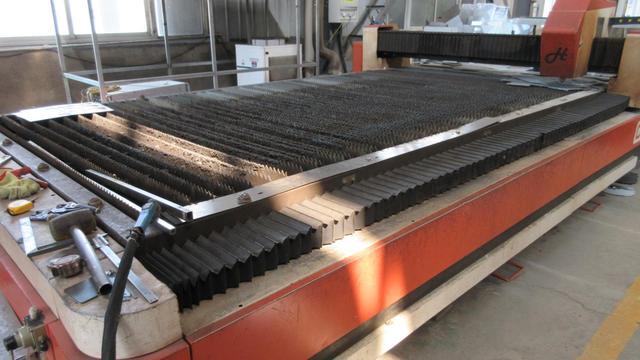
Dongguan CarniTe Machinery Co., Ltd. leverages this ecosystem to source high-grade mechanical parts, employing state-of-the-art milling machines and assembly centers. This ensures that every component—from washing nozzles to sorting lines—conforms to international tolerances and strict quality standards.
Adapting machinery systems to meet regional electrical standards, local crop profiles, and global health codes.
Industrial machinery must adapt to the regional context of the installation site. In North America, equipment must align with FDA sanitary design principles, ASME pressure vessel codes, and UL/CSA electrical certifications. In the European Union, designs must meet CE machinery directives and EHEDG hygiene guidelines.
Additionally, material variations require customized mechanical configurations. For example, processing dense tubers like cassava or sweet potatoes in Africa requires heavy-duty peeling drums and high-durability washing screens. Conversely, packaging delicate fruits like diced papaya or peaches in South America requires gentle, gravity-fed sorting lines and low-pressure filling systems to protect product shape and quality.
| Region | Key Standards | Custom Requirements |
|---|---|---|
| North America | FDA, ASME, UL, USDA | 460V/60Hz, NEMA panel enclosures |
| European Union | CE, EHEDG, EN Standards | 380V/50Hz, IP69K electrical protection |
| Latin America & Asia | Local Metrology Codes | Tropicalized motors, high-humidity insulation |
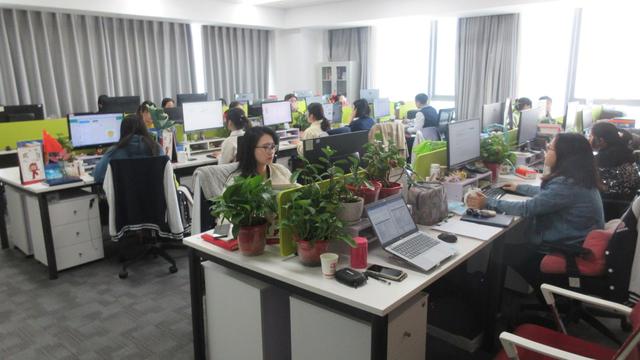
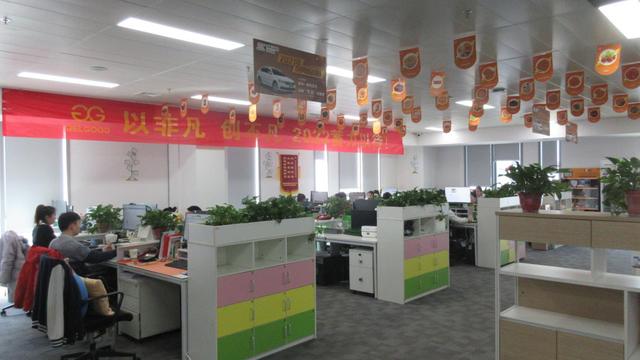
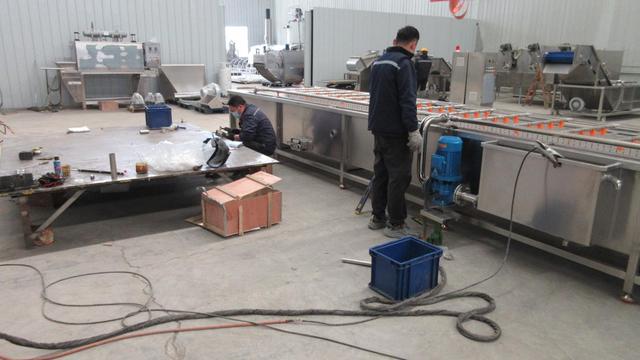
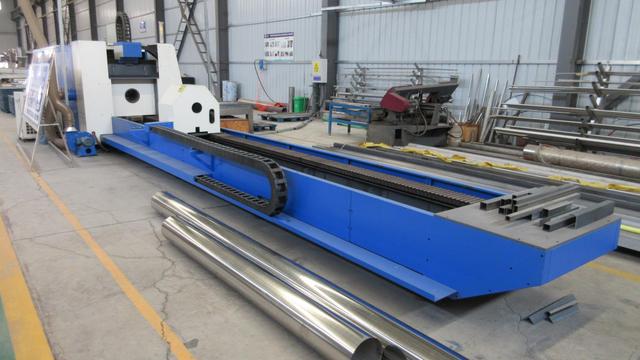
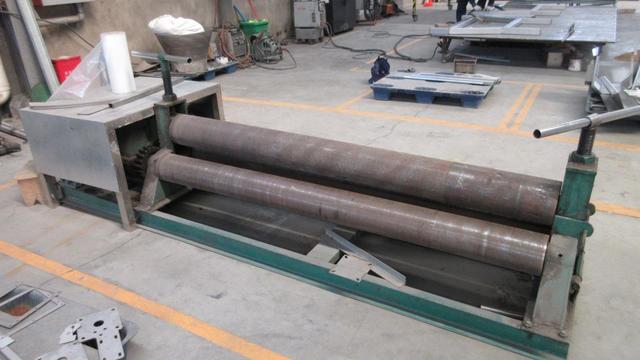
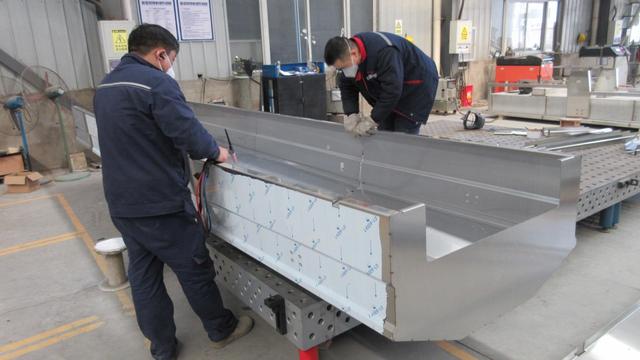
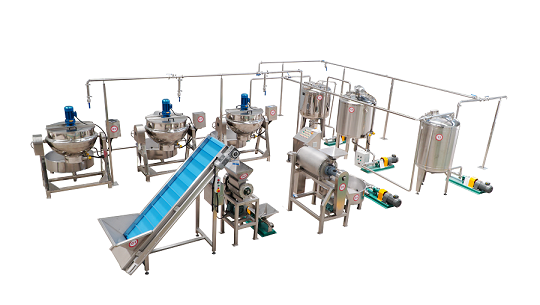
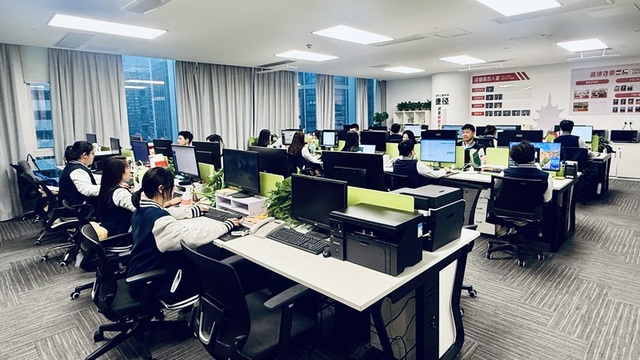
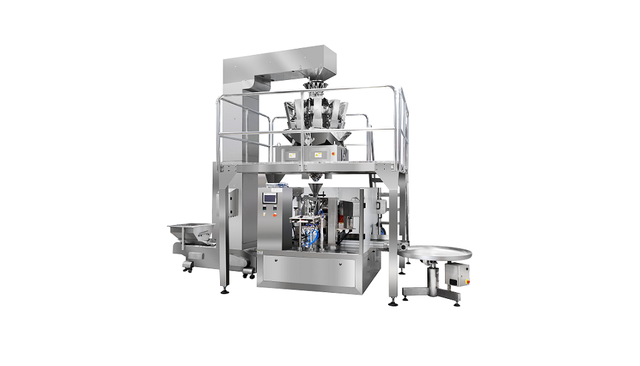
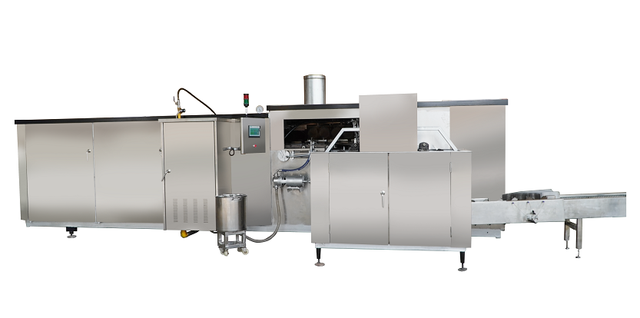
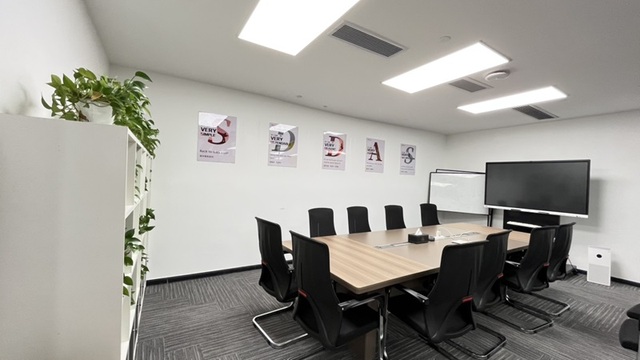
A visual tour of our production plants, precision assembly lines, and mechanical test bays.
Technical answers to key purchasing, operational, and maintenance questions for industrial canning machinery.
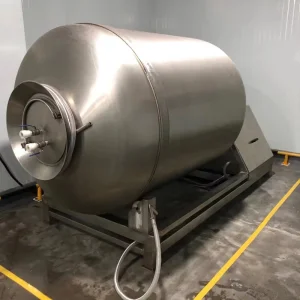
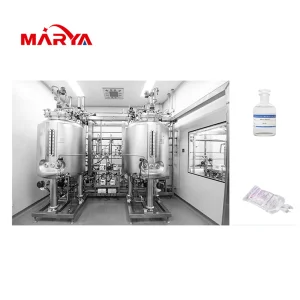
From pre-processing sorting equipment to chemical preparation and automated packaging lines.
 CarniTe Machinery