CarniTe Machinery
1. The Evolution of Automation in Snack Food Processing
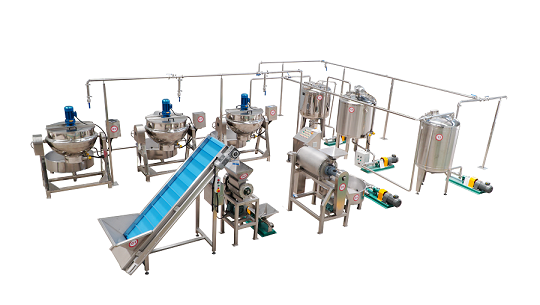
The global snack food manufacturing industry is undergoing a structural transition from semi-automated, batch-based production to continuous, hyper-automated processing lines. Driven by escalating labor costs, strict sanitary mandates, and the need for absolute product consistency, manufacturers are replacing manual intervention with closed-loop automated systems. Advanced potato chip lines, automated vegetable slicing equipment, and robotic packaging units now utilize central PLC units (such as Siemens S7-1500 series) coupled with HMI interfaces to configure parameters dynamically. This paradigm shift dramatically reduces batch-to-batch variability and minimizes human error, ensuring that strict microbial and qualitative thresholds are met consistently.
“Modern food processing plants are no longer just mechanical systems; they are data-driven ecosystems where thermal dynamics, raw material properties, and mechanical throughput are tracked in real-time to optimize Yield-per-Kilogram metrics.”
2. Global Enterprise Procurement Demands: Focus on Compliance and OEE
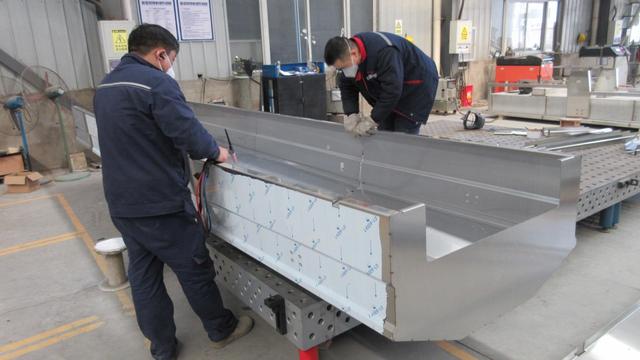
Enterprise-scale buyers from Europe, North America, and the Middle East are evaluating snack food machinery vendors based on two critical parameters: Overall Equipment Effectiveness (OEE) and Hygienic Design Compliance (EHEDG and FDA guidelines). Modern procurement teams demand that machinery surfaces in direct contact with food products be constructed from SUS304 or SUS316L grade stainless steel, polished to a surface roughness of Ra < 0.8 μm to prevent bacterial adhesion. Additionally, safety interlocks, IP69K-rated electrical enclosures for high-pressure washdowns, and toolless disassembly for maintenance are standard prerequisites. Equipment must also integrate seamless CIP (Clean-In-Place) systems to drastically reduce sanitation downtime, thereby maximizing return on investment.
3. China Factory 4.0: Supply Chain Resilience & Efficiency Advantages
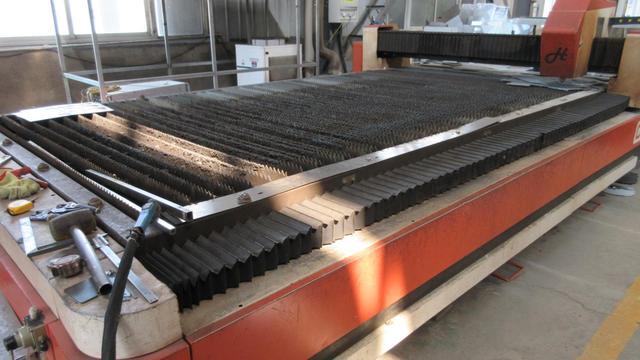
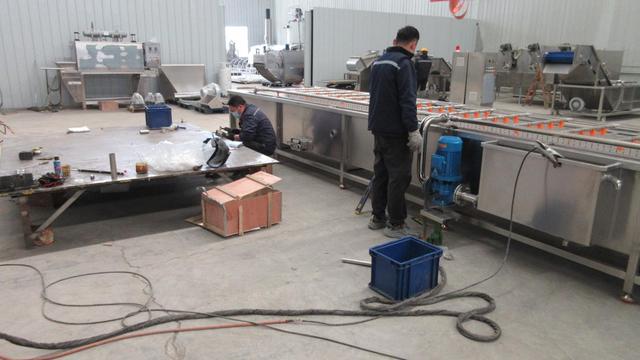
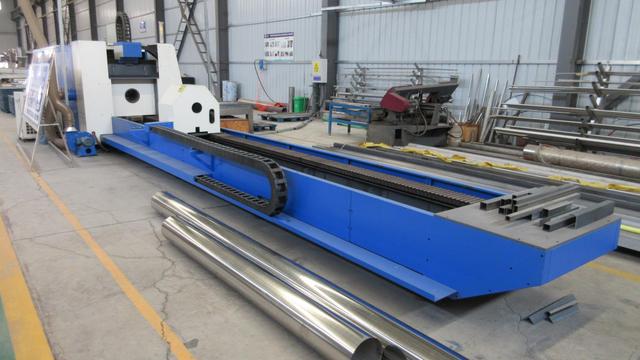
China's manufacturing sector has evolved from simple contract assembly to the epicenter of precision-engineered food machineries. As a leading manufacturer based in Dongguan, a global industrial technology hub, Dongguan CarniTe Machinery Co., Ltd. leverages a highly resilient local supply chain. The proximity to high-grade metallurgical processors, specialized motor manufacturers (such as ABB or Sew-Eurodrive integration partners), and advanced CNC machining centers enables rapid prototyping and cost-effective customization. The integration of Factory 4.0 manufacturing methodologies—such as laser cutting, robotic welding, and automated quality control testing—guarantees structural durability and precision alignment of internal rotating components, ensuring a much lower Total Cost of Ownership (TCO) for international clients.