Engineered specifically to support the growing dairy supply chains in regional hubs such as Kabul, Herat, Mazar-i-Sharif, and Kunduz.
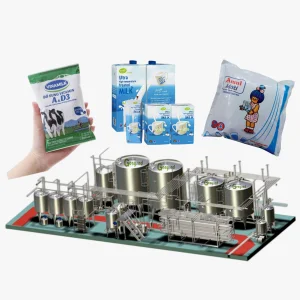
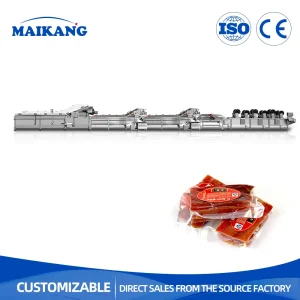
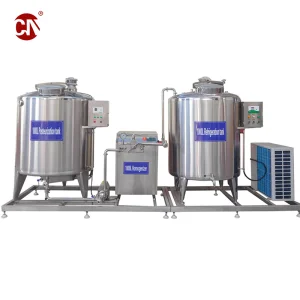
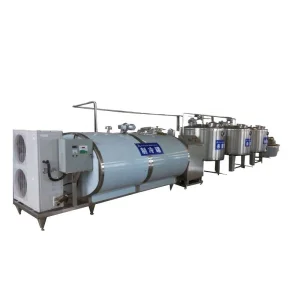
Agriculture forms the backbone of Afghanistan's rural economy, with dairy farming acting as a primary livelihood driver across diverse provinces. However, the domestic dairy processing sector has historically struggled with critical infrastructure gaps, primarily the lack of reliable cold chain networks and consistent pasteurization technologies. Raw milk, harvested from smallholder farms in rural districts, is extremely vulnerable to rapid microbial spoilage and pathogenic contamination (such as *Brucella* and *Mycobacterium tuberculosis*) due to high ambient temperatures and limited refrigeration capabilities.
By establishing modern pasteurization centers equipped with state-of-the-art thermal processing systems, local dairy unions and private agricultural investors can bridge the gap between rural raw milk generation and urban consumer markets. The transition from raw milk distribution to clean, standardized pasteurized milk and processed yogurt is not only an economic imperative but also a major public health milestone.
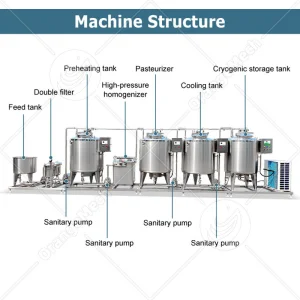
Global dairy plants are shifting rapidly towards heat recovery systems. Modern Plate Heat Exchangers (PHE) achieve thermal regeneration rates of up to 92-95%, using the heat of freshly pasteurized milk to pre-heat cold incoming raw milk. This dramatically lowers fuel and steam consumption, making it ideal for the high-tariff energy environments of Afghanistan.
Given the challenges of maintaining a continuous refrigerated distribution chain in regions like Herat, Ghazni, and Kandahar, the demand for ESL milk and Ultra-High Temperature (UHT) milk processing systems is rising. ESL lines extend milk shelf life to 21-45 days under minimal refrigeration, offering critical logistic flexibility.
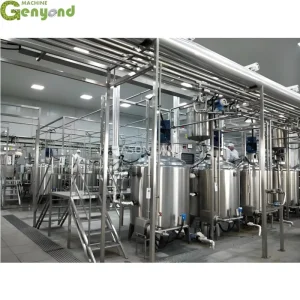
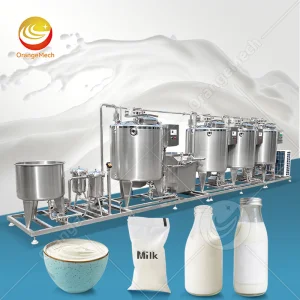
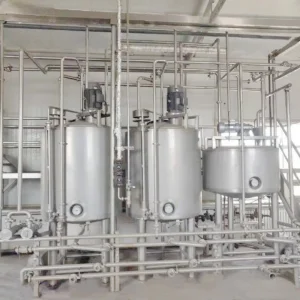
Instead of custom-built static concrete structures, global and regional buyers prefer skid-mounted, "plug-and-play" processing lines. This design reduces field assembly errors, minimizes onsite structural welding, and makes relocation and maintenance straightforward in developing dairy cooperatives.
Operating a complex food plant in Afghanistan requires addressing unique regional factors: frequent power fluctuations, varying degrees of raw milk quality, and restricted access to highly specialized onsite automation engineers. Dongguan CarniTe Machinery Co., Ltd. resolves these challenges by integrating semi-automated, heavy-duty machinery built from premium-grade SUS 304 and SUS 316L stainless steel. These lines feature automated safety lockouts for hot-water temperature limits alongside intuitive PLC panels that simplify operation without sacrificing microbiological pasteurization integrity.
As a leading hub for manufacturing excellence, China’s industrial ecosystem blends digital manufacturing systems with highly resilient component supply chains. At Dongguan CarniTe Machinery Co., Ltd., we harness this environment to provide high-quality pasteurization plants that match or exceed European standards, while remaining economically viable for developing agricultural sectors.
Our production advantage is built on four core pillars that directly benefit global buyers and Afghan distributors:
Dongguan CarniTe Machinery Co., Ltd. is a professional manufacturer specializing in fruit and vegetable processing equipment and integrated industrial food processing solutions. The company focuses on the research, development, production, and global supply of advanced processing lines for fruits, vegetables, and related food products. With strong engineering capability and industry experience, CarniTe Machinery delivers turnkey solutions that ensure efficient, hygienic, and scalable food production.
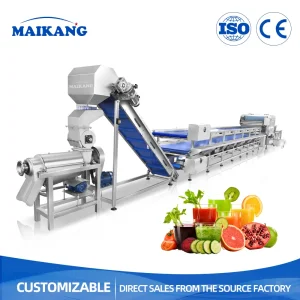
Core systems include washing, sorting, peeling, cutting, juicing, pulping, blanching, freezing, drying, and packaging lines, widely applied in food factories, beverage plants, and agricultural processing industries. The company is committed to improving production efficiency, reducing labor costs, and maintaining consistent product quality through automation and intelligent control technologies.
Dongguan CarniTe Machinery Co., Ltd. maintains strict quality standards and complies with international manufacturing requirements. It provides OEM and ODM customization services tailored to different capacities and production needs.
By combining innovation, reliability, and customer-focused engineering, the company continues expanding into Asia, Europe, the Middle East, and the Americas, aiming to become a trusted global partner in food processing automation.
The company also invests heavily in research and development, continuously upgrading processing technology, improving energy efficiency, and enhancing equipment stability, while providing comprehensive after-sales support, installation guidance, and technical training to ensure long-term operational success for global customers in diverse food manufacturing environments.
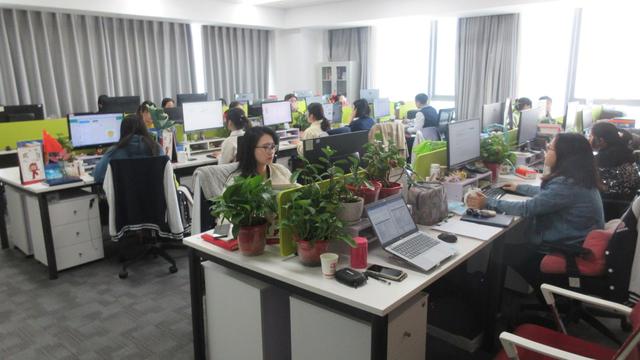
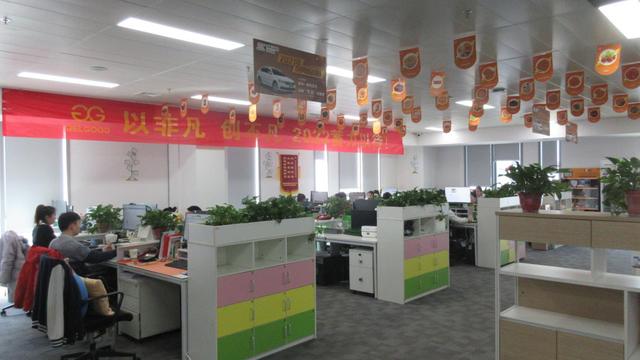
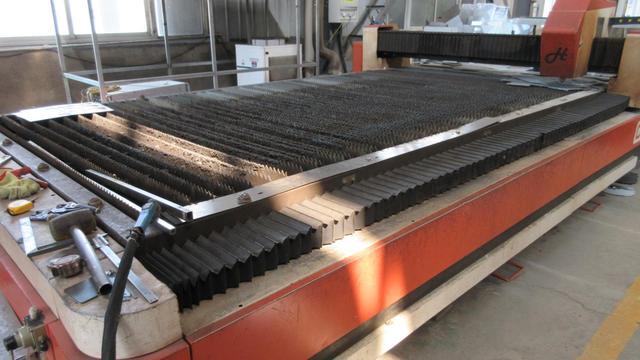
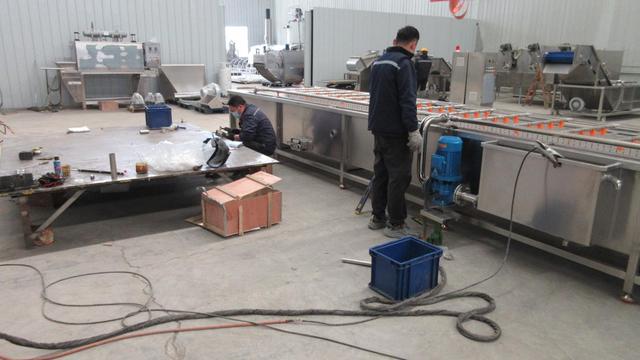
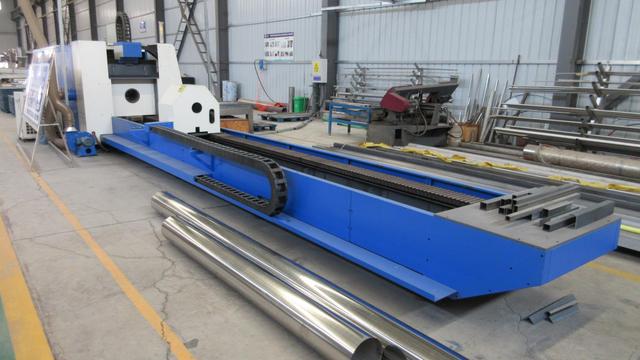
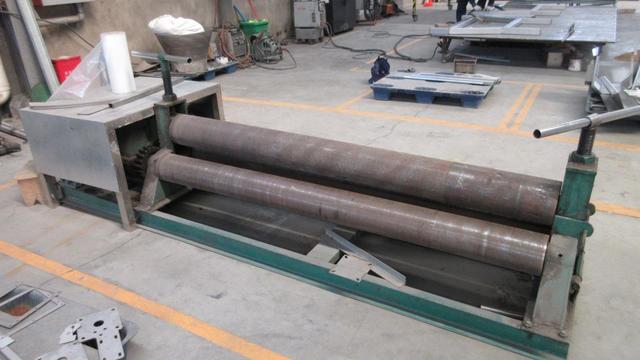
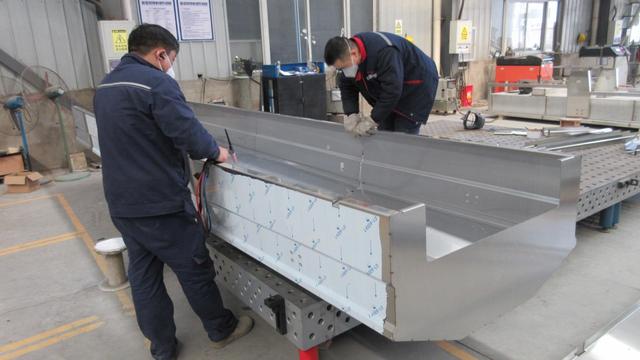
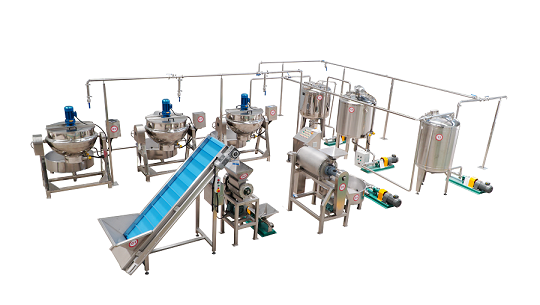
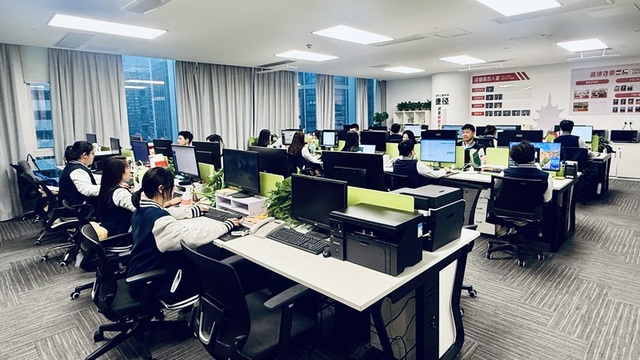
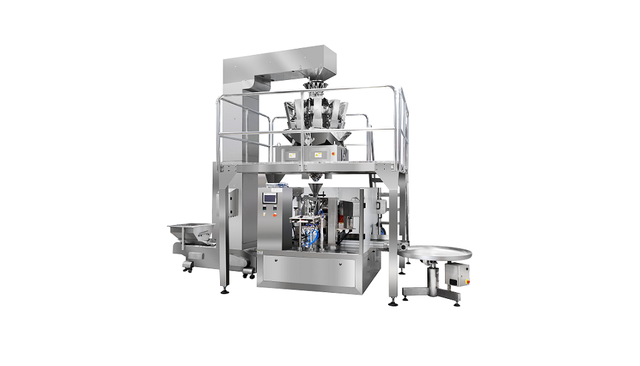
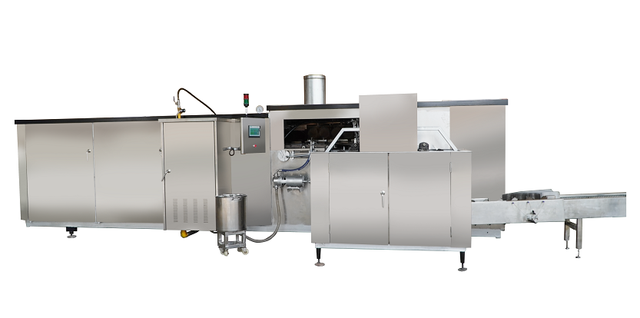
Technical support, deployment timelines, and engineering specifications for the Afghan market.
Q1: Which pasteurization technique is best for rural vs. urban milk hubs in Afghanistan?
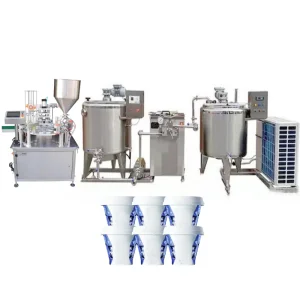
A1: For rural co-ops handling 500 to 2,000 liters per day, batch pasteurization (LTLT: Low-Temperature Long-Time) is cost-effective and easy to manage with limited electrical infrastructure. For larger urban plants processing over 5,000 liters daily, a continuous High-Temperature Short-Time (HTST) system with regenerative plate heat exchangers is recommended to optimize energy efficiency and throughput.
Q2: How do your pasteurization systems handle power supply fluctuations and blackouts?
A2: Our lines feature integrated safety bypasses. If power fails or the hot water supply temperature drops below the set point (e.g., 72°C), an automatic pneumatic flow diversion valve routes the milk back to the raw milk balance tank. This prevents unpasteurized product from passing to the cooling stage, protecting product safety. We also configure our control panels to work seamlessly with local diesel generators and voltage stabilizers.
Q3: What are the cleaning requirements for CarniTe pasteurization processing lines?
A3: We integrate a Clean-In-Place (CIP) loop into all our pasteurization plants. This allows for automated, closed-loop washing with caustic soda and nitric acid at target temperatures. It thoroughly removes milk stones and proteins without requiring manual disassembly of pipes or heat exchanger plates, ensuring high sanitary standards.
Q4: Are spare parts and installation support accessible for buyers in remote Afghan provinces?
A4: Yes. We use standardized global components for wear parts like seals, gaskets, and solenoids. For installation, we provide detailed layout schematics, 3D pipe routing models, and comprehensive remote video support. If needed, we can also coordinate with local engineering teams to assist with onsite assembly and start-up.
Q5: Can these processing lines handle products other than milk, like fruit juice and tea?
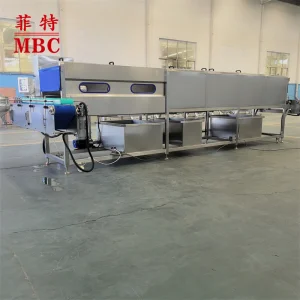
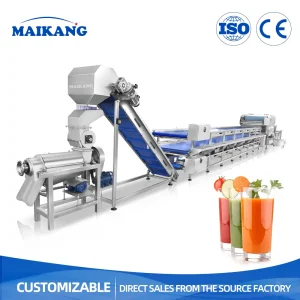
A5: Absolutely. Many of our pasteurization systems (such as the high-capacity tunnel pasteurizers and batch pasteurizers) are multi-purpose. They are designed to sterilize milk, process yogurt bases, and pasteurize fruit juices, purees, and ready-to-drink beverages by adjusting the holding times and temperature profiles via the PLC touch panel.
From modular batch pasteurizers to high-capacity industrial juice and milk processing lines, we deliver reliable food processing equipment globally.

 CarniTe Machinery