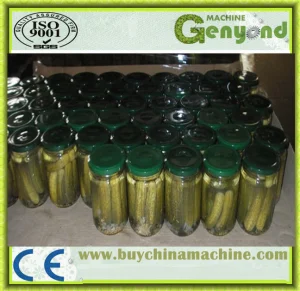
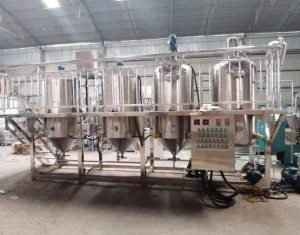
Professional Automatic Acetic Acid Production Line Venigar Making Machine Line

Customization: Available
After-sales Service: 7days1week
Warranty: 1 Year

Product Description

⚙️ Basic Information

Model NO.
YJ50K
Type
Efficient Fine Filter Oil Press
Voltage
380V
Appearance
Vertical
Press Materials
Corn
Material
Ss
Origin
China
Capacity
5000tons Per Year
HS Code
8438400

📄 Product Overview

Acetic acid, systematically named ethanoic acid, is an acidic, colourless liquid and organic compound with the chemical formula CH3COOH. Vinegar is at least 4% acetic acid by volume, making acetic acid the main component of vinegar apart from water. It has been used, as a component of vinegar, throughout history from at least the third century BC. Acetic acid is also known as acetyl hydroxide (AcOH).
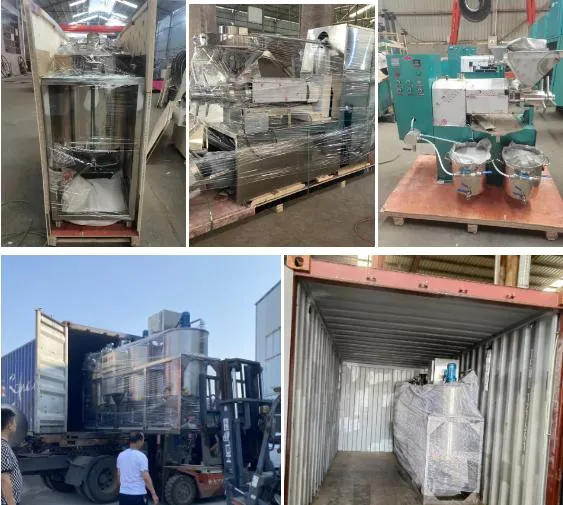
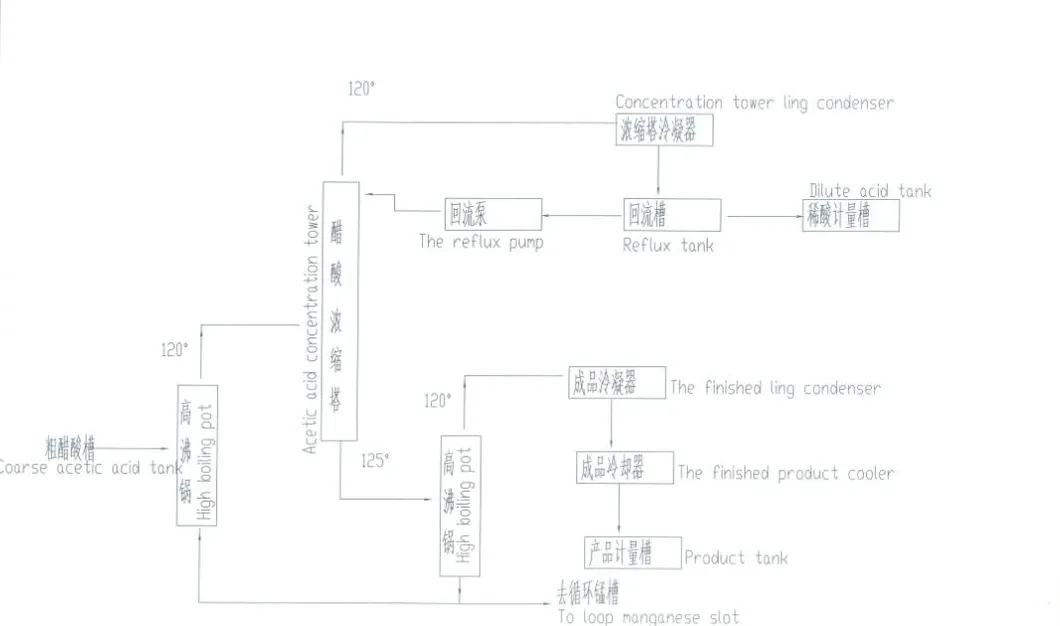
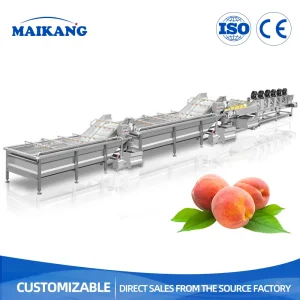
Professional automatic acetic acid production line and vinegar making machine line solutions for industrial efficiency.

Primary Uses of Acetic Acid

Chemical Reagent: Used primarily for the production of chemical compounds, specifically vinyl acetate monomer, acetic anhydride, and ester production.
Medical Applications: Employed as part of cervical cancer screening in various developing regions. When applied to the cervix, positive areas appear white after approximately one minute.
Food Industry: Vinegar serves as a direct condiment and is essential in the pickling of vegetables. Table vinegar typically contains 4% to 8% concentration.
Industrial Solvent: As a polar protic solvent, it is used for recrystallization to purify organic compounds and is a key raw material for polyethylene terephthalate (PET).

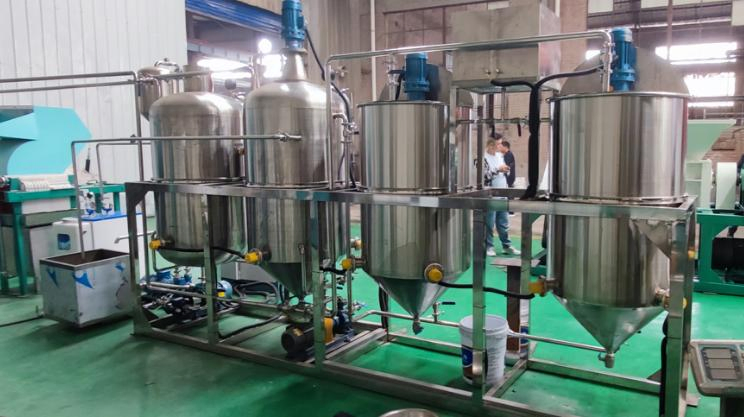
📸 Equipment Display

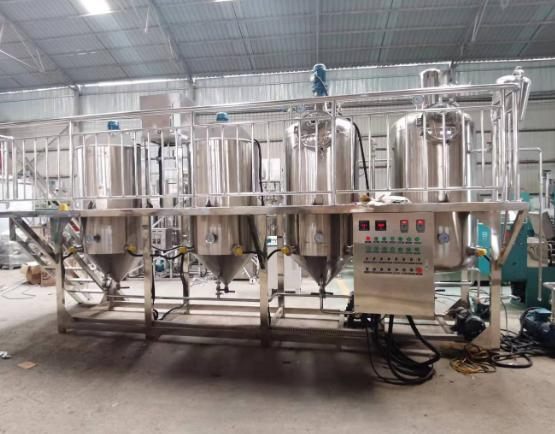
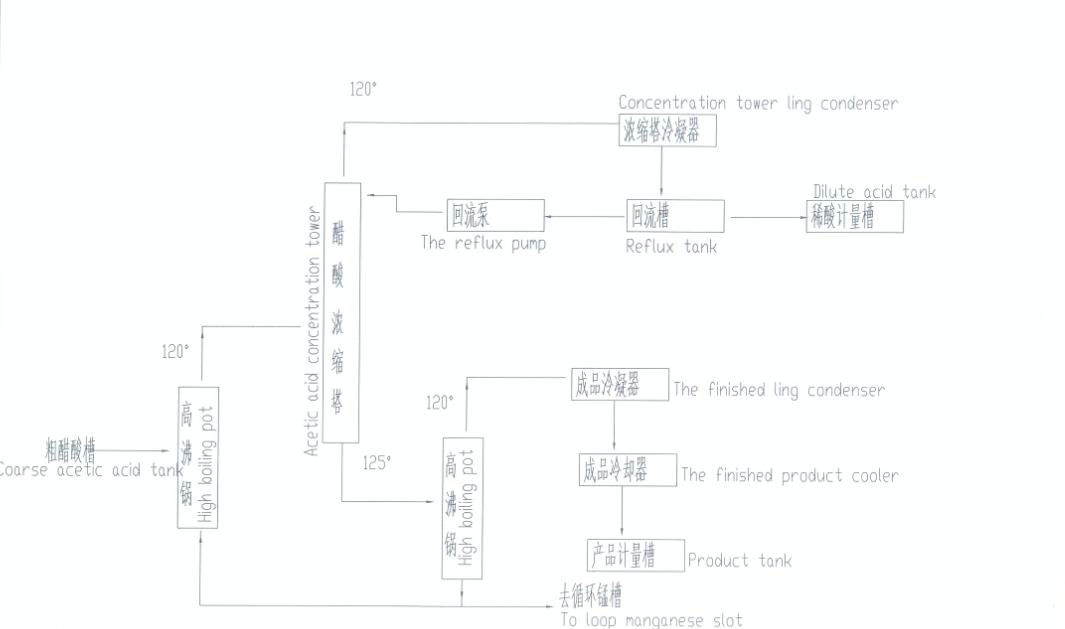
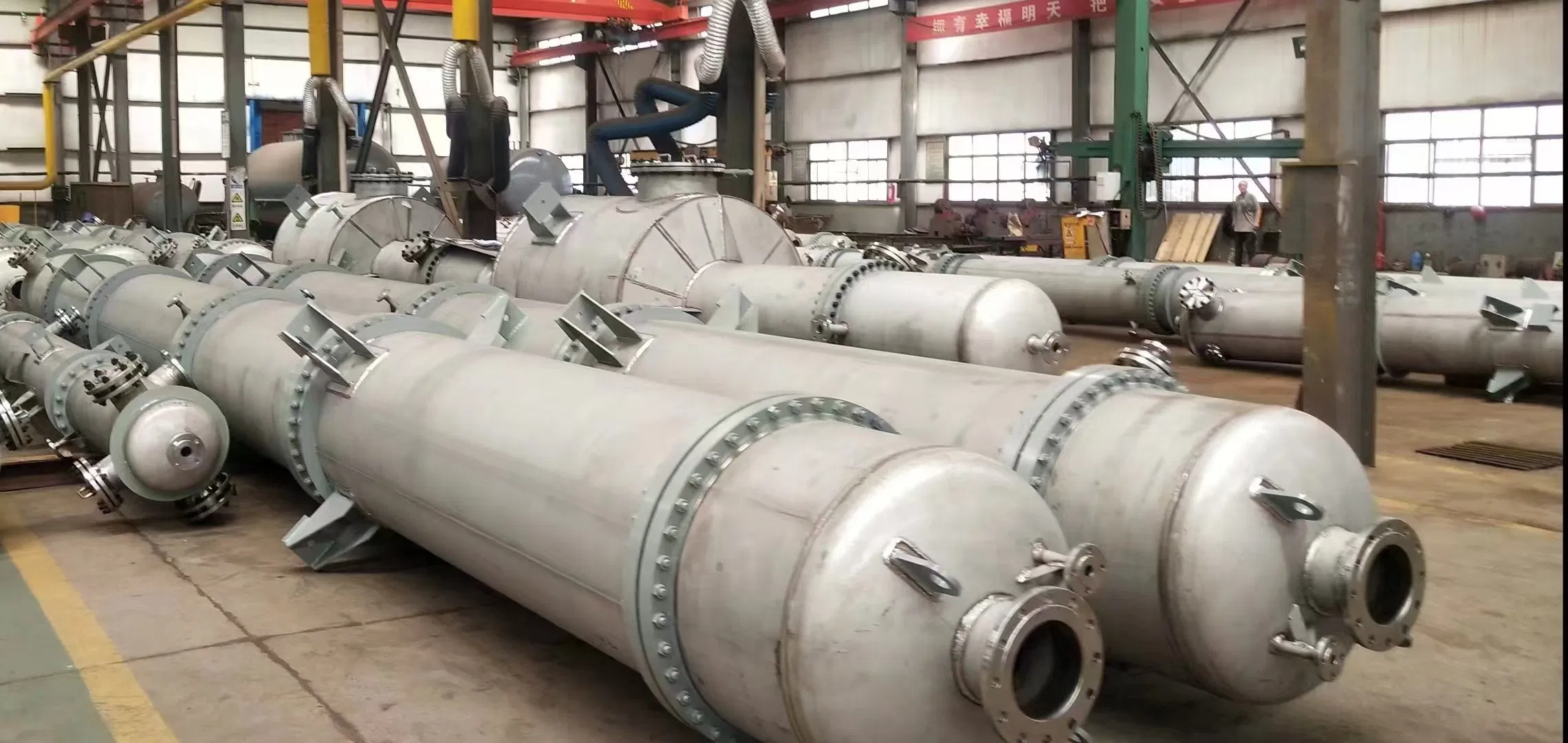
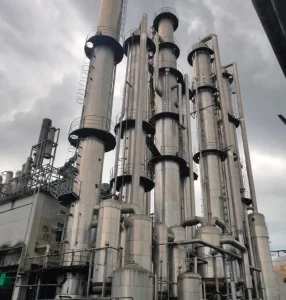
Automatic Acetic Acid Production Line
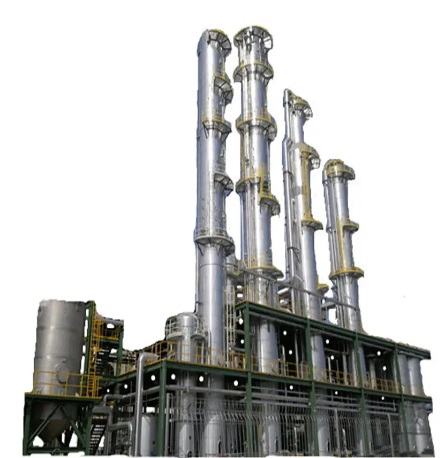
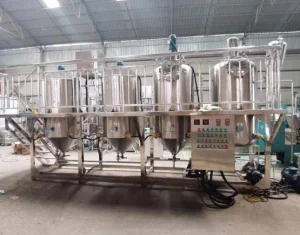
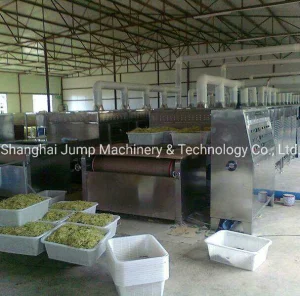
Vinegar Making Machine Line

⚗️ Production Methods

Acetic acid is produced industrially both synthetically and by bacterial fermentation. Approximately 75% of industrial acetic acid is produced via methanol carbonylation.

1. Methanol Carbonylation

This process involves methanol and carbon monoxide reacting to produce acetic acid. Modern plants utilize the Cativa process (iridium-catalyzed) which is greener and more efficient than the older Monsanto process.

Chemical Equation: CH3OH + CO → CH3COOH

2. Acetaldehyde Oxidation

Though less common than carbonylation, this remains a significant manufacturing method where acetaldehyde is oxidized using metal catalysts like manganese or cobalt salts.

3. Ethylene Oxidation

A single-stage conversion of ethylene to acetic acid using a palladium metal catalyst. This method is highly competitive for smaller production plants.
❓ Frequently Asked Questions (FAQ)

Q1: What is the main component of vinegar besides water? A: Acetic acid is the main component, typically making up at least 4% of vinegar by volume.
Q2: What is the chemical formula for acetic acid? A: It is written as CH3COOH, also represented as C2H4O2.
Q3: How is acetic acid used in the food industry? A: It is used as a condiment (vinegar) and as a pickling agent for preserving vegetables and other foods.
Q4: What is the most common industrial method for producing acetic acid? A: Methanol carbonylation accounts for approximately 75% of the acetic acid produced for the chemical industry.
Q5: Can acetic acid be used as a solvent? A: Yes, it is a polar protic solvent frequently used for recrystallization and in the production of PET raw materials.
Q6: What materials are used in your production line machines? A: The equipment, such as the YJ50K model, is primarily constructed from SS (Stainless Steel) for durability and hygiene.

Related Products