CarniTe Machinery

1 / 5
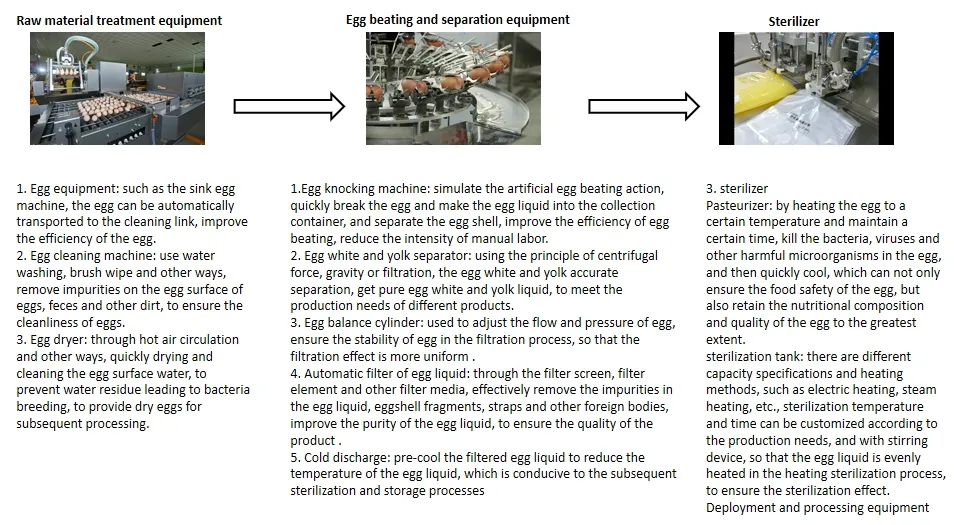
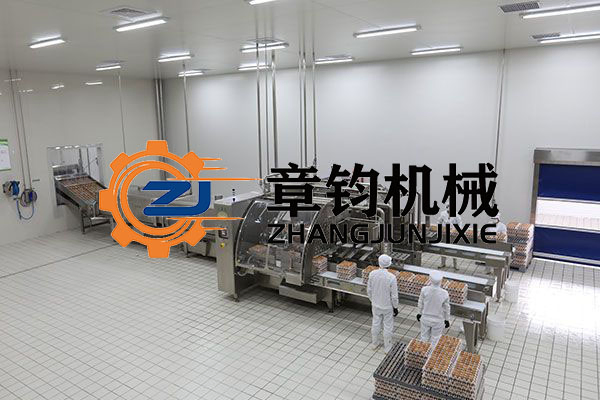
Control of Egg Sources: Eggs from healthy flocks in standardized environments. Quality Inspection: Visual inspection and candling to check for integrity and internal purity.
Cleaning: Utilizing warm water and specialized detergents to remove dirt. Disinfection: Immersion in disinfectant (e.g., sodium hypochlorite) to eliminate harmful microorganisms.
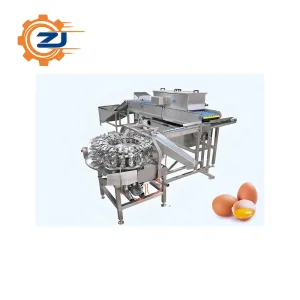
Methods: High-efficiency mechanical breaking for large-scale operations. Separation: Advanced centrifugal or screen devices to separate yolk and white based on density differences.
Filtration: Removing shell fragments and chalazae using fine filters. Homogenization: High-pressure refinement to ensure uniform fat distribution in whole egg liquid.
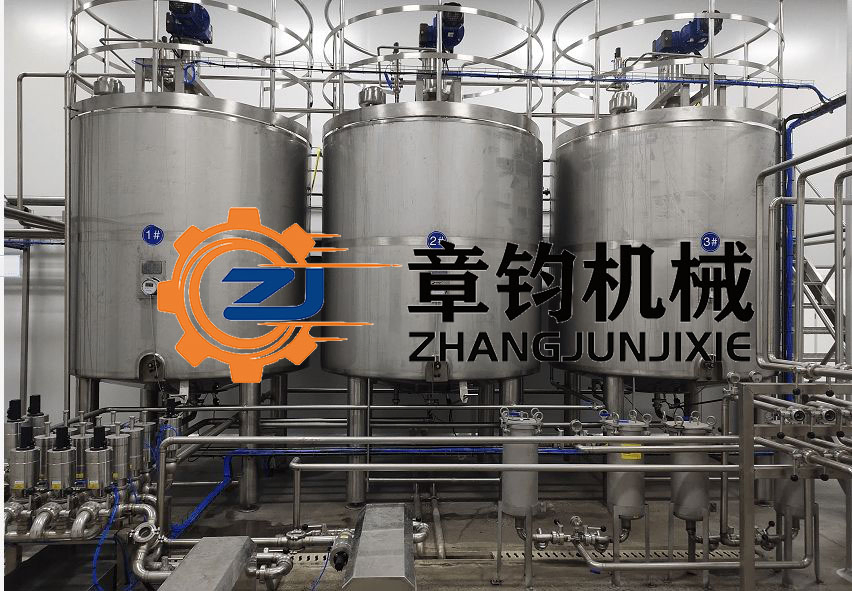
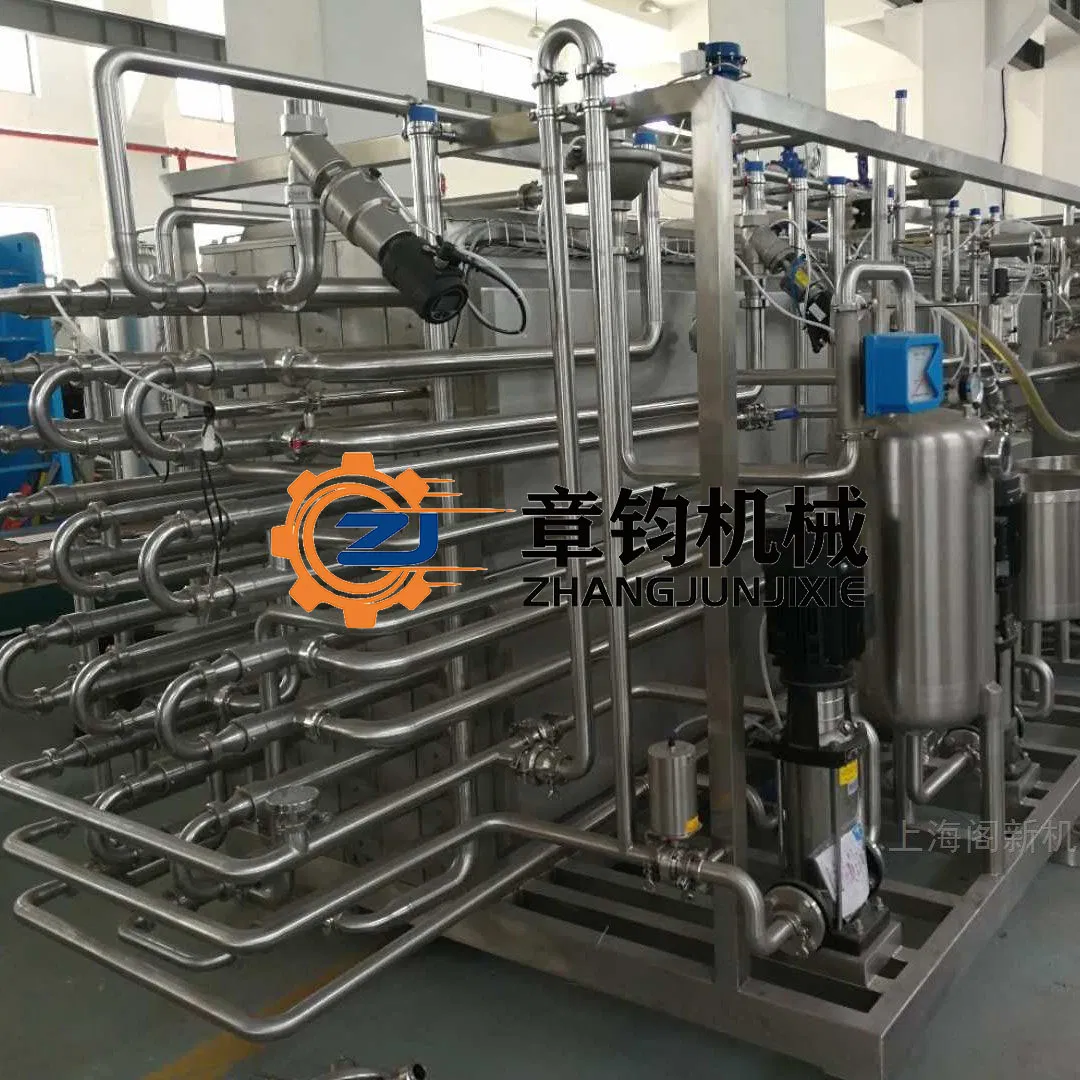
Treatment: Pasteurization at 60-70°C to kill pathogens while preserving nutritional value. Cooling: Rapid cooling to 4-10°C post-sterilization.
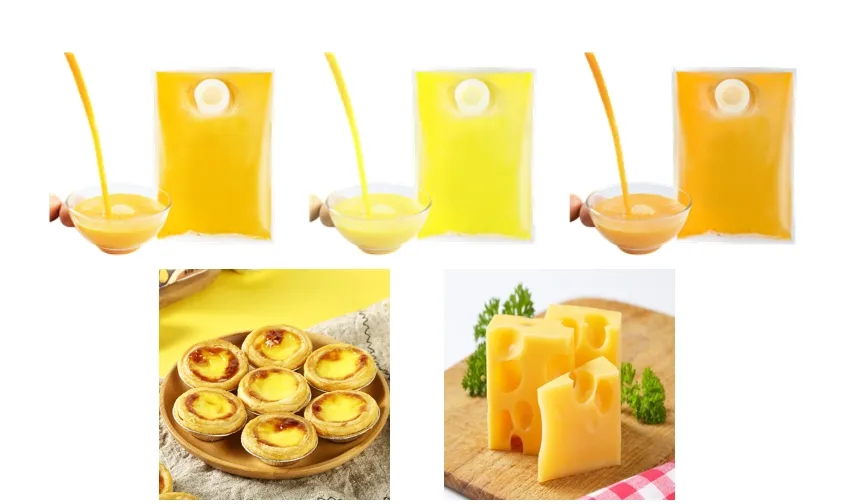
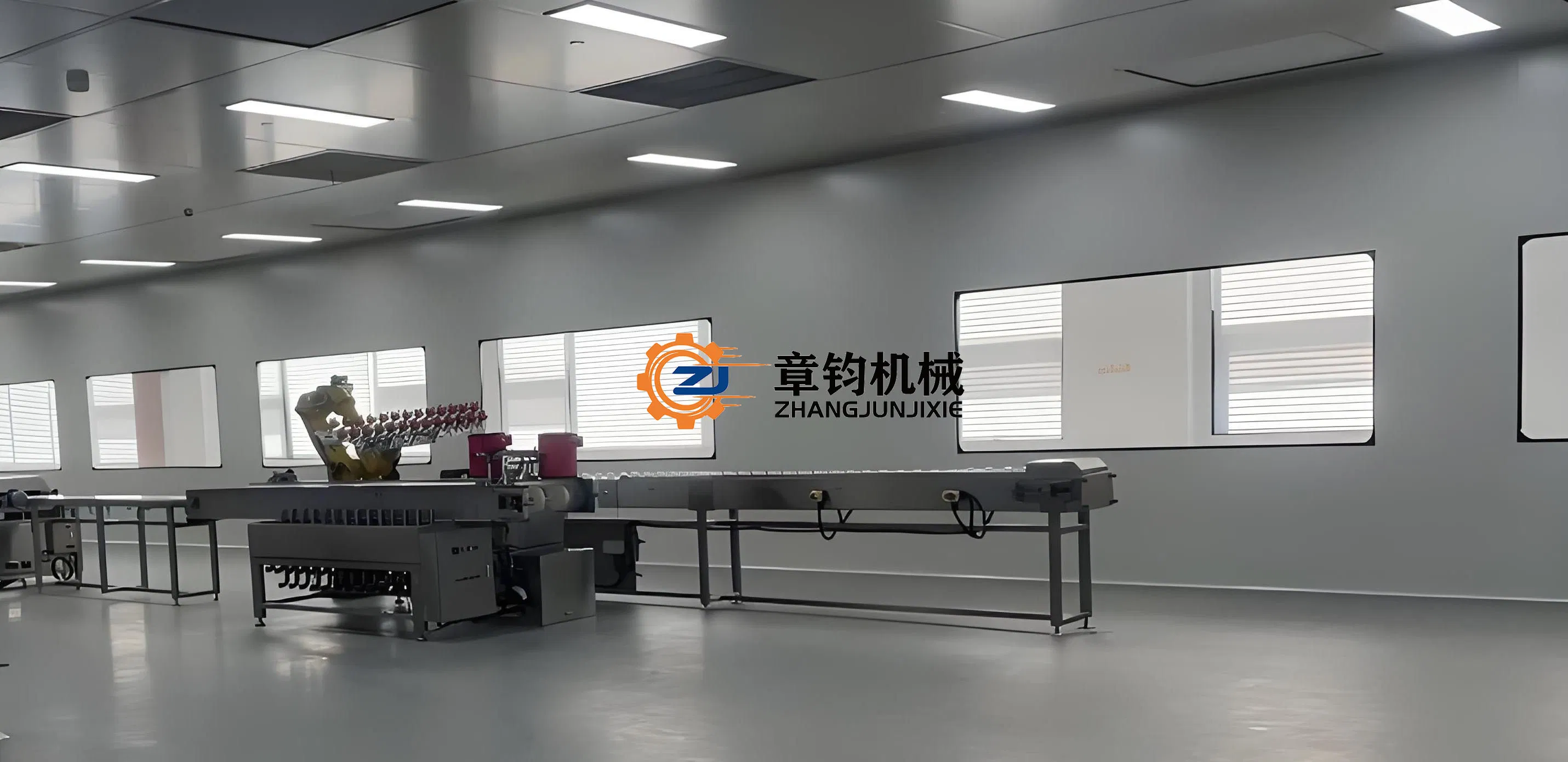
Materials: Food-grade plastic or aseptic cartons. Conditions: Stored in cold storage at 0-4°C to maintain stability and safety.
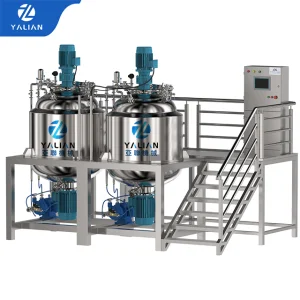
| Model | 100L | 150L | 200L | 300L | 500L | 1000L |
|---|---|---|---|---|---|---|
| Tank Inner Dia | 630mm | 630mm | 630mm | 850mm | 900mm | 1200mm |
| Capacity | 100L/Batch | 150L/Batch | 200L/Batch | 300L/Batch | 500L/Batch | 1000L/Batch |
| Sterile Temp. | 45-90℃ | 45-90℃ | 45-90℃ | 45-90℃ | 45-90℃ | 45-90℃ |
| Power (380V) | 9KW | 9KW | 9KW | 12KW | 24KW | 48KW |
| Weight | 100kg | 150kg | 180kg | 220kg | 270kg | 400kg |