In the modern dairy industry, homogenization is no longer a simple mechanical process; it is a critical scientific requirement for ensuring product stability, shelf-life, and sensory quality. As a leading OEM/ODM Milk Homogenization Systems Manufacturer & Exporter, Dongguan CarniTe Machinery Co., Ltd. recognizes that the global dairy market is shifting towards highly specialized, nutrient-dense, and clean-label products. This transition demands homogenization systems that can handle varying viscosities while maintaining the integrity of fat globules at a sub-micron level.
Dongguan CarniTe Machinery Co., Ltd. is a professional manufacturer specializing in fruit and vegetable processing equipment and integrated industrial food processing solutions. Our commitment goes beyond manufacturing; we provide integrated engineering that bridges the gap between raw milk intake and finished consumer-ready products. With our deep focus on the research, development, and production of advanced processing lines, we empower global brands to achieve consistency across different geographical markets.
Our engineering philosophy revolves around "Precision Fluid Dynamics." A milk homogenization system must achieve three primary goals: particle size reduction, uniform distribution, and energy efficiency. By utilizing high-pressure piston pumps and specialized valve designs, our systems force milk through microscopic gaps at high velocities, causing intense turbulence, cavitation, and shear forces.
Utilizing 316L surgical-grade stainless steel for all contact parts. Our blocks are forged from a single piece to withstand pressures up to 1500 bar, ensuring zero fatigue and long-term operational stability.
Custom-engineered valve seats and stems designed with wear-resistant materials like Tungsten Carbide or Stellite. This reduces maintenance cycles and ensures consistent fat globule reduction to below 0.5 microns.
Integration of PLC (Programmable Logic Controllers) with IoT connectivity. Real-time monitoring of pressure fluctuations, temperature, and vibration allows for predictive maintenance and automated cleaning-in-place (CIP) protocols.
Global dairy enterprises in Asia, Europe, and the Middle East face diverse regulatory and consumer challenges. Procurement teams today look for more than just a machine; they seek a partner capable of OEM/ODM customization that fits their specific facility footprint and local compliance standards (such as 3-A, FDA, or CE).
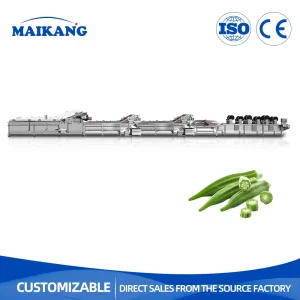
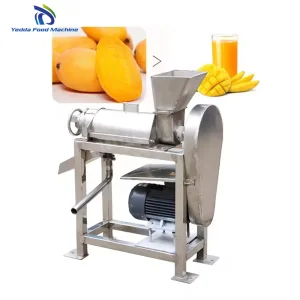
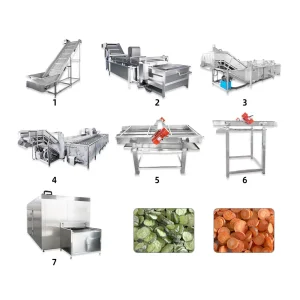
CarniTe Machinery's turnkey solutions ensure efficient, hygienic, and scalable food production. Core systems include washing, sorting, peeling, cutting, juicing, pulping, blanching, freezing, drying, and packaging lines, widely applied in food factories, beverage plants, and agricultural processing industries. We address the "total cost of ownership" (TCO) by reducing energy consumption per liter of processed milk and minimizing downtime through modular component replacement.
By combining innovation, reliability, and customer-focused engineering, the company continues expanding into Asia, Europe, the Middle East, and the Americas, aiming to become a trusted global partner in food processing automation.
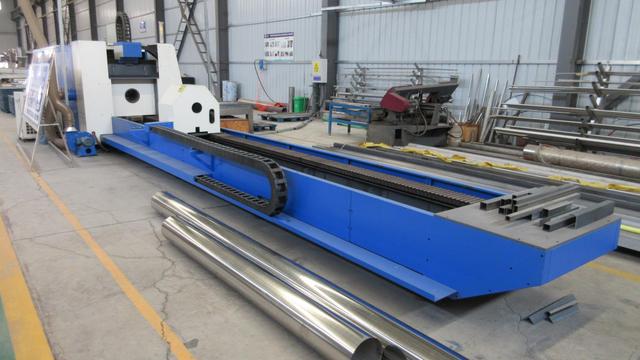
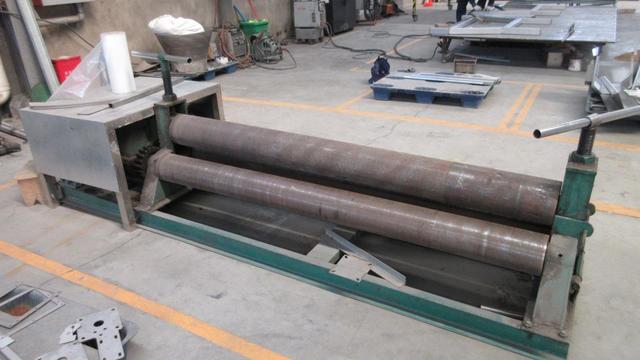
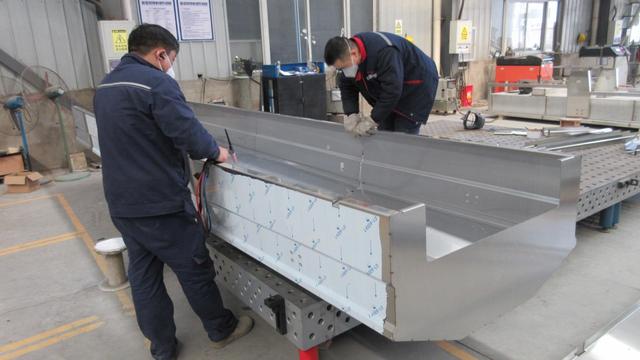
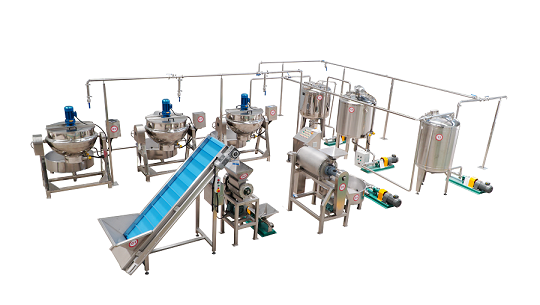
Dongguan CarniTe Machinery Co., Ltd. maintains strict quality standards and complies with international manufacturing requirements. We understand that a homogenizer in a Saudi Arabian desert facility faces different environmental stressors than one in a high-humidity plant in Southeast Asia. Our ODM services allow us to modify cooling systems, motor specifications (IE3/IE4 efficiency), and sealing materials to match local industrial conditions.
We provide comprehensive after-sales support, installation guidance, and technical training to ensure long-term operational success. This includes "Train the Trainer" programs where we empower your local maintenance teams with the skills to perform preventative maintenance, ensuring your homogenization system remains at peak performance for decades.
The next decade of milk homogenization will be defined by "Smart Fluidics." We are currently developing sensors that can measure fat globule size in real-time within the pipeline, allowing the homogenizer to automatically adjust pressure based on the incoming milk's raw quality. This information gain allows producers to optimize energy use while guaranteeing perfect quality for every batch.
 CarniTe Machinery