In the modern bioprocessing sector, the line separating food production from pharmaceutical manufacturing has blurred. As global demand surges for functional foods, bioactive extracts, and dietary supplements, processing technology has adapted to meet rigorous sanitary mandates. Selecting the right processing equipment is no longer merely a question of throughput; it is a critical step in preserving the biological potency of target compounds while maintaining cross-contamination safeguards.
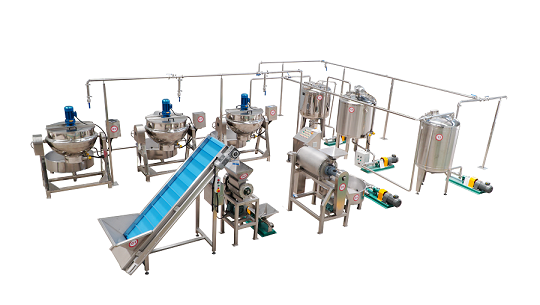
Dongguan CarniTe Machinery Co., Ltd. stands as a key partner in this technological shift. Specializing in advanced raw food prep, pasteurization technology, membrane filtration, and automated aseptic isolation, CarniTe designs machinery that forms the foundation of modern nutraceutical processing lines. By integrating smart controls, automated Clean-In-Place (CIP) systems, and pharmaceutical-grade materials (SUS316L/SUS304), CarniTe helps global manufacturers bridge the gap between high-capacity food processing and cleanroom-compliant bioprocess design.
This report outlines the structural principles, technological options, and regulatory pathways essential for selecting a top-tier nutraceutical processing partner in today's market.
Preserving active molecules—such as vitamins, polyphenols, enzymes, and plant extracts—requires precise temperature and hygienic control. Standard food processing systems can expose these sensitive materials to thermal stress, oxygen oxidation, and microbial risks. The top 10 global manufacturers focus on three main engineering principles:
When selecting a processing technology partner, procurement and engineering teams should focus on validation capabilities and sanitary design. This evaluation checklist highlights key features common to top global manufacturers:
1. Material Integrity and Surface Finish: All contact parts must be made of AISI 316L or 304 stainless steel, with surface roughness (Ra) polished to less than 0.4 microns. This prevents product adhesion and biofilm buildup.
2. SCADA and PLC Integration: Advanced automated systems should run on open PLC platforms (such as Siemens or Allen-Bradley) with built-in data logging to meet FDA 21 CFR Part 11 requirements for tracking batches.
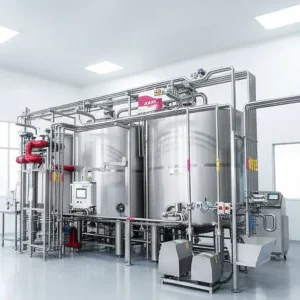
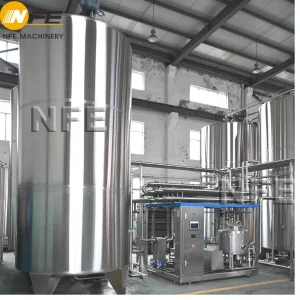
3. Skid-Mounted modular designs: Standardized, pre-wired skids help lower field installation costs and speed up commissioning times. CarniTe’s modular designs allow systems like RO filtration and CIP units to integrate quickly into existing facility networks.
Real-time conductivity, flow rate, and temperature monitoring to optimize chemical and water usage while documenting clean cycles.
Transitioning from traditional batch production to inline pasteurization and continuous sterile filling to increase output and lower footprints.
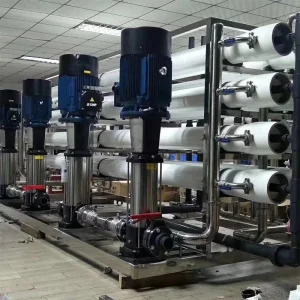
Using advanced reverse osmosis (RO) systems to concentrate plant proteins and bio-actives at room temperature, reducing energy use.
Unlike standard food cleaning, nutraceutical CIP systems must handle complex organic compounds, oils, and protein isolates. This requires automated transfer between cleaning liquids (acid, alkali, water) and precise control of detergent concentration, contact time, and thermal tracking to guarantee residue-free equipment surfaces.
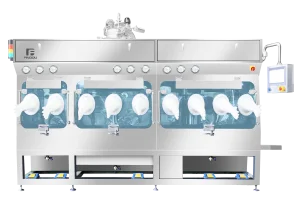
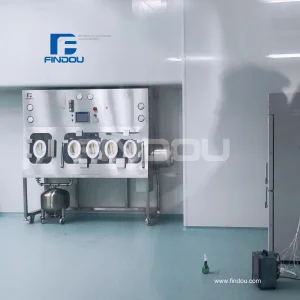
Many botanical extracts, liquid supplements, and functional beverages contain vitamins and enzymes that break down under extreme heat. Aseptic filling isolators allow for gentle pasteurization followed by packaging under sterile conditions, extending shelf-life without depending on high-heat sterilization.
CarniTe structures all designs around key standards, including CE requirements, ASME BPE for bio-processing, and EHEDG guidelines. We offer full documentation packages to help support regional regulatory audits during facility commissionings.
Yes, our high-shear mixing, homogenizing, and customized batching equipment is designed to handle products with higher viscosities, ensuring consistent blending of powders into liquid suspension bases without separation.
Custom-engineered systems from CarniTe match your specific plant layout, utilities, and processing needs. This maximizes yield, reduces floor-space requirements, and avoids purchasing extra components you don't need.
We provide online diagnostic support, installation assistance, and maintenance packages. Our control systems include optional secure remote connections, allowing our engineers to adjust software and help troubleshoot issues anywhere in the world.
 CarniTe Machinery